
Landscaping
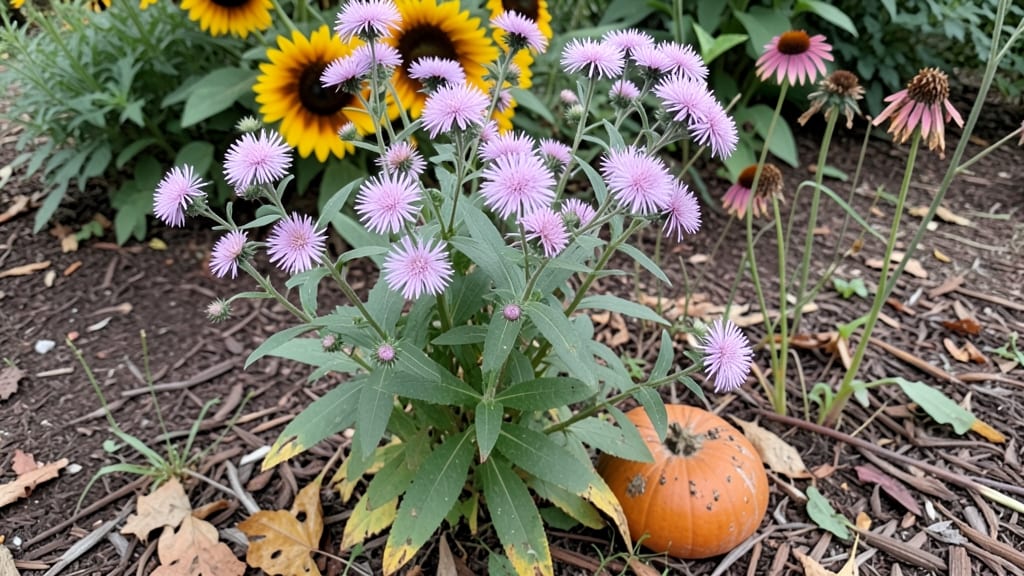
Fall garden design transforms your yard from ordinary to extraordinary—layering warm colors and textures that make your outdoor space feel like a cozy retreat. 🍂 I remember the first time I added ornamental grasses and deep-red mums to my front yard; neighbors stopped to ask what I’d done differently.
The secret is mixing evergreens, seasonal blooms, and structural plants that hold up through frost.
You don’t need a massive yard or a budget to pull this off. Start with three key elements: tall grasses for movement, low-growing perennials for color, and containers for flexibility.
My favorite combo is burgundy sedum, golden grass clumps, and a few pumpkins tucked into corners—it’s simple but creates instant impact. Even small spaces can shine with the right plant choices.
By late October, your garden will burst with velvety foliage, jewel-toned blooms, and the crisp scent of fallen leaves. The best part? Many of these plants stay beautiful through winter, giving you a head start on next year’s design.
You’ll spend less time fussing and more time enjoying the results—no green thumb required.
Works for patios, borders, or full landscapes—just adjust the scale. Here’s how to make it happen without the overwhelm. Let’s get started!
📚 In This Guide
- What you need
- Instructions
- Tips and common mistakes
- Wrapping up and next steps
What you need
- ● Fall-Friendly Plants: Perennials (e.g., Heuchera, Sedum, Asters) – 3–5 per variety
- ● Bulbs (e.g., Daffodils, Tulips, Crocuses) – 10–20 per type
- ● Ornamental grasses (e.g., Miscanthus, Carex) – 3–5 clumps
- ● Evergreens (e.g., Boxwood, Holly) – 2–4 for structure
- ● Mulch: 2–3 bags (2–3 cubic feet each) of shredded cedar or pine straw (preserves moisture, suppresses weeds)
- ● Soil Amendments: 1–2 bags of compost or well-rotted manure (improves drainage)
- ● Seasonal Accents: Pumpkins/gourds (3–5 for decor)
- ● Dried flowers (e.g., Echinacea, Rudbeckia) – 1–2 bouquets
- ● Foliage (e.g., Smoke bush, Viburnum) – 2–3 plants for texture
- ● Hand trowel (for precision planting)
- ● Garden gloves (1 pair, waterproof)
- ● Pruners (bypass or anvil type)
- ● Rake (leaf rake + garden rake)
- ● Wheelbarrow (for hauling mulch/soil)
- ● Hose with spray nozzle (or watering can)
- ○ Optional: Soil pH tester (to check plant compatibility)
- ● Stakes/trellis (for climbing plants like Clematis)
- ● Outdoor string lights (for ambiance!)
- ● Sunlight assessment: Note full sun (6+ hrs/day), partial shade (3–6 hrs), or full shade areas.
- ● Soil test: Check pH (ideal: 6.0–7.0 for most plants). Adjust with lime or sulfur if needed.
- ● Weather prep: Plant on a cool, overcast day (avoid frost risk).
- ● Design sketch: Outline plant placements, pathways, and focal points (use graph paper or a free app like SketchUp).
How to layer your fall garden for stunning year-round appeal
Here's the straightforward approach I use to create gardens that stay vibrant well after summer fades.
🌿 Step 1: Plan Your Seasonal Layers
Start by sketching your space and dividing it into three layers: tall structures (trees, shrubs), mid-height plants (perennials, ornamental grasses), and ground cover (mulch, annuals). I always begin with evergreens like boxwood or holly for the backbone—they provide structure when deciduous plants lose leaves. These should occupy about one-third of your space and be placed at the back or along property lines.
Next, add fall-blooming perennials like asters, chrysanthemums, or sedum for late-season color. These should make up half your plantings and be arranged in odd-numbered groupings (3, 5, or 7) for natural flow. Finally, fill gaps with winter interest plants like ornamental kale, pansies, or hellebores that thrive in cooler weather.
🪴 Step 2: Prepare the Soil for Seasonal Transitions
Before planting, loosen the top 6 inches of soil with a garden fork to improve drainage—fall gardens often get heavy rain, and soggy roots invite rot. Mix in 2-3 inches of compost (like the organic matter you have) to feed plants through winter. I like to work it in during a dry spell so the soil holds moisture but doesn't become compacted.
For containers, use well-draining potting mix (like the 2 cubic feet you have) and add a slow-release fertilizer to extend bloom time. Container plants dry out faster in fall, so I always include moisture-retaining granules mixed into the soil. Test the soil's moisture by squeezing a handful—it should hold together but not drip water when pressed.
☀️ Step 3: Plant for Fall Color and Winter Structure
Begin with tall plants like ornamental grasses or late-blooming shrubs, placing them 12-18 inches apart to allow airflow and prevent disease. These act as vertical accents that catch falling leaves and snow. Next, add mid-height perennials like black-eyed Susans or Russian sage, spacing them 18-24 inches apart for full coverage by late fall.
Fill the front with low-growing annuals or bulbs like crocus and daffodils for early spring color. I always plant bulbs 6-8 weeks before frost (around mid-October in most zones) so they establish roots before winter. Mulch heavily with 3-4 inches of shredded leaves or bark (like the 1 cubic yard you have) to insulate roots and retain moisture.
✂️ Step 4: Maintain Through Seasonal Changes
Water deeply once a week until the ground freezes, focusing on new plantings. You'll know they're getting enough when the top 2 inches of soil feel moist but not soggy. In containers, water every 3-4 days—they dry out faster. Deadhead spent blooms regularly to encourage new growth and keep the garden looking tidy.
As temperatures drop below 40°F at night, reduce watering to every 10-14 days unless you're growing tender perennials. I always check for yellowing leaves—this signals overwatering in cooler weather. In late fall, cut back annuals and herbaceous perennials to 2-3 inches above the ground to protect them from harsh winds and prevent disease buildup.
⏰ Step 5: Prepare for Winter Dormancy
Before the first hard frost, apply a 2-3 inch layer of mulch (like the remaining bark you have) around the base of perennials and shrubs. This insulates roots and keeps soil temperatures stable. For tender plants, wrap containers in burlap or frost blankets (if you have them) and move them to a sheltered location. I always check for cracked pots—cold weather can cause them to split, so I store them in a garage or basement.
Prune dead or damaged branches from shrubs and trees, but avoid heavy pruning—wait until early spring for major cuts. Take notes on what thrived and what struggled so you can adjust next year's design. A quick sketch or photo helps track progress. By winter, your garden should look structured, textured, and ready for the next growing season.
Tips & tricks for perfect fall garden design
Creating a fall garden that thrives through winter takes a few key strategies—here's what I've learned from years of trial and error.
Layering for Year-Round Interest: The one-third/two-thirds/two-thirds rule for tall/mid-height/ground cover plants is your foundation. I've found that evergreens like boxwood or holly should be placed first—they provide that crucial winter structure when everything else goes dormant. For mid-height plants, I always look for ones with interesting seed heads or winter berries, like Russian sage or ornamental grasses. These visual elements keep your garden dynamic even when flowers fade.
Soil Prep Secrets: That 6-inch soil loosening in Step 2 makes all the difference for fall planting. I like to add a handful of sand to heavy clay soils to improve drainage—fall gardens get so much rain that soggy roots are a common problem. For containers, I mix in perlite to prevent compaction. And here's a pro tip: work in your 2-3 inches of compost during a dry spell so it doesn't create muddy conditions when you're ready to plant.
Timing Your Plantings: The 6-8 week before frost rule for bulbs is non-negotiable—it gives them time to establish roots before winter sets in. I always mark my calendar for mid-October in my zone (5) because that's when I know the ground is cool enough for bulbs but still workable. For perennials, I plant them slightly deeper than their nursery pots to encourage strong root growth before winter dormancy.
Winter Protection Hacks: That 2-3 inch mulch layer in Step 5 is your best friend for winter insulation, but don't let it touch plant stems—it can cause rot. I've had great success using straw mulch because it breaks down slowly and adds organic matter. For containers, I wrap them in bubble wrap before the burlap—it adds an extra insulating layer against freezing temperatures. And always check your pots for cracks before storing them for winter!
Pro Tips for Fall Garden Design
- Creating a fall garden that thrives through winter takes a few key strategies—here's what I've learned from years of trial and error.
- Layering for Year-Round Interest: The one-third/two-thirds/two-thirds rule for tall/mid-height/ground cover plants is your foundation.
- Soil Prep Secrets: That 6-inch soil loosening in Step 2 makes all the difference for fall planting.
Frequently asked questions
Got questions about crafting your perfect fall garden?
Here are some of the most common ones—plus expert answers to help you design with confidence!
When is the best time to start planning a fall garden?
Start planning now—late summer (August) is ideal! This gives you time to research plants, order bulbs, and prep soil before cooler weather arrives. Many fall-blooming perennials and annuals thrive when planted in early September, while spring-blooming bulbs (like tulips) can go in October.
What are the easiest low-maintenance plants for a fall garden?
Opt for hardy, drought-tolerant plants like mums (for color), sedum (succulent-like texture), ornamental kale (bold foliage), and pansies (cool-season blooms). Pair them with evergreens (like boxwood or holly) for year-round structure. Mulch well to reduce weeds!
How can I add texture to my fall garden without flowers?
Layer foliage for drama! Try grasses (like fountain grass or switchgrass), fern varieties (e.g., autumn fern), or ornamental shrubs (such as Japanese maple). Add bark mulch or pine cones for organic texture. Even dried seed heads (from last season’s plants) bring rustic charm.
Are there fall gardens that attract pollinators?
Plant astors (like goldenrod), sedum (honeycomb variety), black-eyed Susans, and Russian sage to feed bees and butterflies. Avoid pesticides, and leave some leaf litter for ground-dwelling insects. Native plants are the best choice—they’re adapted to your climate and support local wildlife!
Can I still plant a fall garden in a cold climate?
Yes! Focus on cold-hardy annuals (like stock or sweet alyssum) and perennials that thrive in chill (e.g., hellebores, lamb’s ear). Use row covers or straw mulch to protect tender plants. Evergreens and winterberry shrubs add color even in frost. Start with microclimate spots (like south-facing beds) for extended blooms.
Pro Tip:
Need a quick fix? Container gardens are perfect for fall! Fill pots with mums, pansies, and ornamental cabbage—they’re portable, pest-resistant, and easy to move indoors before hard freezes.
Wrapping up and next steps
Designing a fall garden is all about embracing the season’s warmth, texture, and color—while setting the stage for winter beauty. By layering plants with varying heights, colors, and textures, you create a dynamic space that thrives year-round.
Whether you’re a seasoned gardener or just starting, the key is to start small, experiment, and enjoy the process—your garden will thank you with vibrant blooms and cozy charm.
Ready to transform your outdoor space? Grab your tools, sketch a quick layout, and dive in! 🌿 Start with one corner or a single bed—progress is progress, and every step brings you closer to a garden that feels like home.