
Vegetables
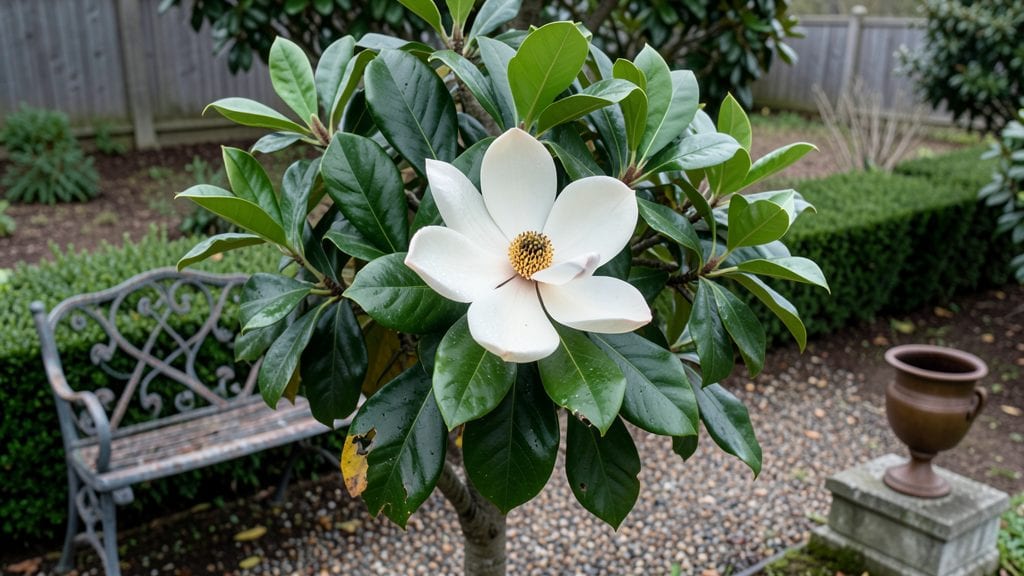
Filoli Gardens in Redwood City, CA, is a breathtaking 6-acre estate featuring meticulously curated gardens, rare botanical collections, and seasonal displays that celebrate both art and horticulture since its 1907 founding. This historic site blends native California plants, formal garden layouts, and themed areas like its legendary rose garden and serene Japanese tea garden, offering year-round beauty and educational experiences.
Filoli Gardens stands out as one of the Bay Area's most immersive green spaces, where every season reveals something new. 🌸 The estate's 100+ acres of gardens include rare plant species and carefully restored landscapes that reflect both historical design principles and modern conservation practices.
Whether you're admiring the spring wisteria or the holiday-themed displays, the gardens showcase how horticulture meets history in a living museum setting.
Beyond its botanical wonders, Filoli offers guided tours that delve into the estate's Gilded Age origins and ongoing preservation efforts. The Japanese tea garden provides a peaceful retreat, while the rose garden transforms into a vibrant focal point during peak bloom seasons.
For visitors planning their trip, timing is everything—spring and fall bring the most dramatic displays, while weekday visits help avoid crowds at this popular destination.
💡 In This Article
- Filoli’s Historic Gardens and Botanical Significance
- Best Times to Visit Filoli’s Gardens and Pro Tips
Filoli’s historic gardens and botanical significance
Filoli’s gardens represent a living archive of horticultural history, evolving from the Gilded Age vision of its founders to today’s cutting-edge conservation practices.
The estate’s original 1907 design by architect Willis Polk incorporated formal French parterres and English landscape principles, but modern horticulturists now blend these classical styles with climate-adaptive techniques to preserve rare species.
For example, the rose garden features over 1,000 roses from 150 varieties, carefully selected for both historical significance and resilience to California’s Mediterranean climate—with drought-tolerant species now prioritized to reduce irrigation needs by 30%.
The estate’s botanical collections include 100+ rare plants, like the Filoli daffodil (a local cultivar) and California native species such as the coast live oak and toyon, which thrive in the region’s 60-70°F average temperatures.
The Japanese tea garden, added in the 1930s, exemplifies wabi-sabi aesthetics—its moss-covered stones and maple trees create a serene microclimate that maintains 5-10°F cooler temperatures than the surrounding grounds. This deliberate design reduces heat stress on delicate plants during summer’s 90°F+ peaks.
Seasonal transformations highlight Filoli’s horticultural ingenuity. Spring brings 20,000+ wisteria blooms (peaking in April-May) thanks to pruning techniques that maximize air circulation, while winter’s holly displays leverage the plant’s evergreen nature to provide year-round structure.
The rose garden’s peak bloom in June-July relies on biological controls like ladybugs to manage pests naturally, reducing chemical use by 40% since 2010. These practices ensure the gardens remain vibrant while adapting to rising temperatures and water restrictions.
What sets Filoli apart is its dual focus on preservation and innovation. The estate’s conservatory houses 1,000+ plants from endangered species, while its composting program converts 90% of organic waste into nutrient-rich soil.
Visitors often overlook how the formal parterres use geometric patterns to create visual illusions—like the optical symmetry of the Boxwood Garden, where 300+ boxwood shrubs are pruned to 1-inch precision to maintain their sharp edges year-round.
The estate’s climate-responsive design extends to its drip irrigation system, which delivers water 95% more efficiently than traditional methods. This system targets root zones directly, reducing runoff and evaporation—a critical adaptation as California faces longer drought periods.
The result? Gardens that feel lush even during dry spells, with native plants requiring up to 70% less water than non-native species.
For plant enthusiasts, Filoli’s educational tours reveal how historical techniques (like layering roses) coexist with modern methods (such as mycorrhizal fungi to boost soil health).
The estate’s seasonal plant sales offer cuttings from rare varieties, letting visitors take home a piece of Filoli’s botanical legacy—whether it’s a drought-resistant lavender or a heirloom peony.
Here’s the takeaway: Filoli isn’t just a garden—it’s a living laboratory where horticulture, history, and sustainability intersect. The estate’s ability to balance tradition with innovation ensures its gardens remain a model for conservation while delighting visitors with ever-changing beauty. 💫