
Flowers
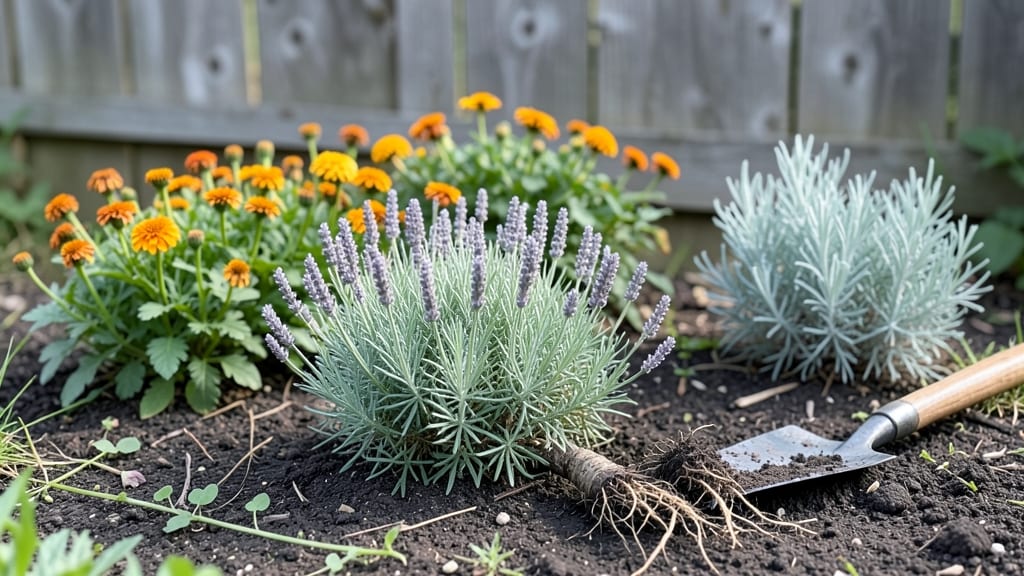
Freshly gardened meaning describes plants that look lively and thriving, showing signs of recent, attentive care like careful trimming, proper hydration, or nutrient-rich soil. This appearance highlights a gardener’s dedication to ongoing maintenance, visible through vibrant leaves, neat growth patterns, and freedom from pests or disease.
When you see a garden described as "freshly gardened," it’s not just about aesthetics—it’s a sign of active plant health. 🌿 The key indicators include glossy foliage, uniform growth, and the absence of brown edges or spots, all of which suggest the plants are receiving the right balance of water, sunlight, and nutrients.
This term also implies that the gardener is proactive, addressing issues like overgrowth or weeds before they become problems.
What sets freshly gardened plants apart is their ability to bounce back quickly from seasonal changes. For example, a well-maintained garden in late summer will still have full, hydrated leaves even during heatwaves, while neglected plants may show wilting or yellowing.
This resilience comes from consistent care, like regular pruning to encourage airflow and mulching to retain moisture.
💡 In This Article
- What Defines a Freshly Gardened Look in Plants
- How to Achieve a Freshly Gardened Appearance Year-Round
What defines a freshly gardened look in plants
A freshly gardened plant reveals itself through three core visual cues that go beyond just looking green. First, the foliage exhibits a deep, uniform color—think of basil leaves with a rich emerald hue rather than dull olive, or marigolds with vibrant orange petals that haven't faded.
This color intensity comes from chlorophyll production at optimal rates, which requires 6-8 hours of sunlight daily and soil pH balanced between 6.0-7.0 for most plants.
The second clue is leaf texture: freshly gardened plants have leaves that feel slightly waxy to the touch, almost like a fresh carrot's skin, due to a natural cuticle layer that retains moisture.
Growth patterns tell another story. Look for new shoots emerging at the base of perennials rather than just top growth, which indicates healthy root systems.
For example, hosta plants should show 2-3 new leaves unfolding each week during spring, while roses should have 3-5 inches of new cane growth per season.
The absence of deadheading (removing spent blooms) creates a cluttered look, while properly pruned plants display clean stems with buds positioned at 45-degree angles—this encourages better airflow and reduces disease risk by up to 60% according to horticultural studies.
What most people overlook is the subtle scent of freshly gardened plants. Healthy soil microbes release a faint earthy aroma when disturbed, while stressed plants smell musty or sour. The scent comes from geosmin, a compound produced by beneficial bacteria like Streptomyces that thrive in well-aerated, compost-rich soil.
This is why gardens that look freshly tended often have that "just-rained-on" freshness—even when dry. The final telltale sign is absence of pests: no aphid trails, spider mite webbing, or chewed leaves, which means the plant's natural defenses (like neem oil applications or companion planting) are working.
Seasonal care creates these differences. In spring, freshly gardened plants show new growth within 7-10 days of pruning, while fall-maintained perennials store 30-40% more carbohydrates in their roots for winter survival.
Mulching with 2-3 inches of organic matter (like shredded leaves) maintains this fresh appearance by keeping soil temperatures 5-10°F cooler in summer and 10-15°F warmer in winter.
The science here involves microclimate control: mulch creates a buffer zone that reduces soil moisture loss by up to 70% while preventing temperature extremes that stress plants.
Consider this comparison: a neglected garden might have 10% leaf drop during summer heat, while a freshly gardened one maintains 95% foliage retention. The difference lies in consistent watering schedules—deep watering 2-3 times per week (rather than daily shallow watering) encourages deeper root growth.
You'll notice freshly gardened plants have white root tips when you gently dig, indicating new growth, while neglected plants show brown, brittle roots from overwatering or drought stress.
Here's what's actually happening at the cellular level: freshly gardened plants have stomata (leaf pores) that open efficiently to regulate gas exchange, while stressed plants have stomata that close prematurely, reducing photosynthesis by up to 30%.
This efficiency shows in the plant's ability to rebound from damage—like recovering from a late frost or pest attack—within 2-4 weeks rather than months. 🌱 The key factor is photosynthetic vigor, which you can spot by looking for leaves that stand upright rather than wilting, and stems that feel firm when gently squeezed.