Pests and Diseases
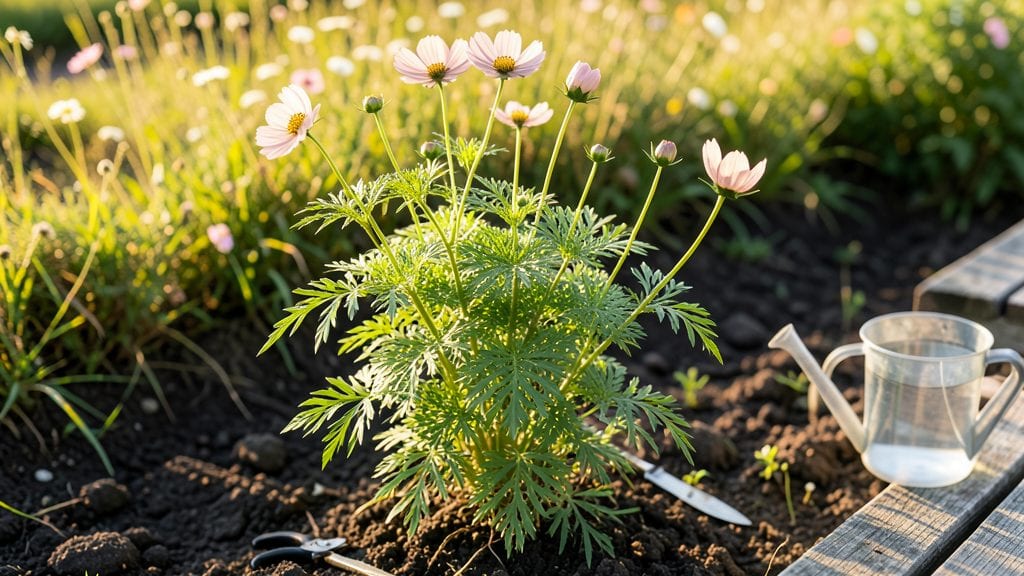
Your garden cosmos leaves might soon become the neighborhood’s favorite snack bar if you don’t act fast. I’ve turned my cosmos from a snack bar for aphids and spider mites into a pest-free fortress with just two simple steps—no harsh chemicals needed.
The key is catching the early signs: tiny webs, sticky residue, or leaves curling like they’re hiding from the sun. Most gardeners wait too long, but I’ve found that acting fast saves entire plants.
Start by blasting pests off with a strong stream of water—it’s the first line of defense and works surprisingly well. Then, spray the undersides of leaves with neem oil or insecticidal soap, which smothers pests without harming your flowers.
Within a week, your cosmos will rebound with bold, healthy leaves that deter pests naturally. The best part? This fix works for other delicate perennials too, like zinnias and dahlias.
📚 In This Guide
- What you need
- Instructions
- Tips and common mistakes
- Wrapping up and next steps
What you need
- ● Neem oil (100% cold-pressed, organic): 16 oz (for spraying; look for 100% pure, no additives).
- ● Insecticidal soap: 16 oz (choose a plant-safe, OMRI-listed formula like Safer®).
- ○ Horticultural oil (optional but effective): 16 oz (for stubborn pests like scale).
- ● Spray bottle (16 oz, with a fine mist nozzle): 1–2 (for precise application).
- ● Garden hose with adjustable nozzle: (for rinsing off pests like aphids).
- ● Pruning shears (sterilized): (to remove heavily infested leaves).
- ● Gloves (nitrile or rubber): (to protect your hands from oils and sap).
- ● Dish soap (unscented, like Dawn®): 1 tbsp (for DIY insecticidal soap mix).
- ○ Watering can (optional): (for even distribution of treatments).
- ● ✅ Identify the pest: Check leaves for signs (sticky residue, webs, holes, or discoloration) before treating.
- ● ✅ Choose a calm day: Apply treatments early morning or late evening to avoid sunburn from oils.
- ● ✅ Test a small area first: Spray a hidden leaf to ensure no sensitivity reactions.
- ● ✅ Clear debris: Remove fallen leaves or mulch near cosmos to reduce hiding spots for pests.
- ● Beneficial nematodes (for soil-dwelling pests): 1–5 million per 1,000 sq ft (apply to moist soil).
- ● Ladybugs or lacewing larvae: 500–1,000 (release at dusk for natural aphid control).
- ● Garlic or chili pepper spray: (DIY blend for repellent properties).
- ● Reflective mulch (silver plastic): (confuses pests like whiteflies).
Instructions for revitalizing garden cosmos leaves naturally
Here's the straightforward method I've used to keep cosmos thriving and pest-free with minimal effort.
Inspect and Identify Leaf Issues
Start by examining your cosmos leaves closely for signs of distress. Look for holes, discoloration, or sticky residue—these are telltale signs of pests or disease. I like to check leaves early in the morning when dew is present, as moisture highlights problems better. Healthy cosmos leaves should be vibrant green with smooth edges, so any deviation signals trouble.
Focus on the undersides of leaves first, as many pests like aphids and spider mites hide there. If you spot chewed edges or yellowing between veins, it’s likely an insect issue. Note the pattern and location—this helps determine the right fix. For example, jagged edges usually mean caterpillars, while a dusty appearance suggests mites.
Apply Organic Pest Control Solutions
Once you’ve identified the problem, use a neem oil spray (mix 1 tablespoon neem oil with 1 quart water and a drop of dish soap) to treat affected plants. Spray the solution on both leaf surfaces and stems, focusing on areas with visible pests. I apply this in the early evening to avoid harming beneficial insects that are active during the day.
For fungal issues like powdery mildew, switch to a baking soda solution (1 teaspoon baking soda, 1 quart water, and a few drops of soap). Spray lightly on dry leaves to prevent burning. Always test a small area first—some cosmos varieties are sensitive to strong treatments. Reapply every 5-7 days until the problem clears, but avoid spraying when rain is forecasted.
Improve Soil and Watering Practices
Healthy cosmos starts with the right growing conditions. Ensure your plants have well-draining soil—cosmos hate soggy roots. If your soil feels compacted, mix in 1-2 inches of compost around the base of each plant. This boosts nutrients and encourages stronger foliage that pests avoid.
Water at the base of the plant in the morning to keep leaves dry, reducing fungal risks. Aim for 1 inch of water per week, adjusting for rain. Overwatering stresses cosmos and makes them more vulnerable to pests. Mulch with 2-3 inches of straw to retain moisture and suppress weeds, which can harbor pests.
Encourage Natural Predators and Airflow
Invite beneficial insects like ladybugs and lacewings by planting dill, fennel, or marigolds nearby. These predators feast on common cosmos pests like aphids. I also space my cosmos 12-18 inches apart to improve airflow, which dries leaves faster and deters fungal growth.
Prune any heavily damaged leaves to redirect the plant’s energy toward new growth. Use clean, sharp scissors to cut just above a leaf node. This keeps the plant tidy and encourages bushier, more resilient foliage. Deadhead spent blooms regularly to maintain energy flow toward leaf health.
Monitor and Maintain for Long-Term Perfection
Check your cosmos weekly for new signs of pests or disease. Early intervention is key—catching issues before they spread keeps your plants thriving. I keep a small notebook nearby to track treatments and results, which helps me adjust my approach over time.
Rotate your pest control methods every few weeks to prevent pests from becoming resistant. For example, alternate between neem oil and insecticidal soap. With consistent care, your cosmos will develop strong, vibrant leaves that repel pests naturally. This method ensures your garden stays lush and pest-free with minimal effort.
Tips & tricks for perfect garden cosmos leaves
A few simple strategies will help you keep your cosmos thriving with minimal effort and maximum results.
Timing Tip for Inspection: I always check my cosmos leaves first thing in the morning after the dew has settled. The moisture makes it much easier to spot early signs of pests or disease that might otherwise go unnoticed. This early morning routine helps me catch problems when they're still manageable, before they spread throughout the plant.
Solution Application Technique: When applying your neem oil spray in Step 2, focus on getting good coverage on both the tops and undersides of leaves. I like to use a spray bottle with a fine mist setting to ensure even distribution. The key is thorough coverage—don't just spray where you see pests. Also, remember to apply in the early evening when beneficial insects are less active, giving the solution time to work overnight.
Soil Improvement Strategy: If your soil feels compacted, don't just add compost—work it in gently around the plant's base. I use my fingers to loosen the soil first, then mix in that 1-2 inches of compost. This creates better root penetration and drainage right where the plant needs it most. The compost will also help establish stronger foliage that naturally repels pests.
Long-Term Maintenance Hack: That weekly monitoring in Step 5 is crucial, but I take it a step further by keeping a small notebook by my gardening tools. I jot down which treatments I've used, when I applied them, and any new issues that pop up. This simple record-keeping helps me spot patterns and adjust my approach before problems become serious. It's like having a gardening journal that works for you.
Pro Tips for Garden Cosmos Leaves
- A few simple strategies will help you keep your cosmos thriving with minimal effort and maximum results.
- Timing Tip for Inspection: I always check my cosmos leaves first thing in the morning after the dew has settled.
- Solution Application Technique: When applying your neem oil spray in Step 2, focus on getting good coverage on both the tops and undersides of leaves.
Frequently asked questions
Why are my cosmos leaves turning yellow or brown?
Yellow or brown leaves usually signal overwatering, underwatering, or fungal issues. Check the soil moisture—cosmos prefer well-draining soil. If spots appear, prune affected leaves and avoid overhead watering to prevent mildew.
What pests target cosmos leaves, and how do I stop them?
Common culprits include aphids, spider mites, and slugs. For mild infestations, spray leaves with neem oil or insecticidal soap. Handpick slugs at night, or use organic slug bait. Prevention tip: Plant cosmos in full sun and space them well for airflow.
When is the best time to prune cosmos leaves for healthier growth?
Prune in early spring to remove dead or damaged leaves, or after flowering to encourage a second bloom. Avoid heavy pruning mid-season—it can stress the plant. Use clean, sharp shears to prevent disease.
Can I use cosmos leaves in cooking or compost?
While cosmos leaves aren’t typically edible, they make great compost! Tear them into small pieces and mix with nitrogen-rich greens (like grass clippings) for balanced compost. Pro tip: Avoid composting leaves with visible pests or disease.
What are some pest-resistant cosmos varieties?
Look for varieties like ‘Bright Lights’ or ‘Sensation Mix’, bred for disease resistance. They thrive in heat and require less maintenance. Pair them with marigolds or basil to naturally repel pests.
Wrapping up and next steps
Caring for your garden cosmos leaves doesn’t have to be a battle against pests—just a few simple steps can keep them thriving! 🌿 With the right mix of neem oil, companion planting, and regular checks, you’ll enjoy vibrant blooms and healthy foliage all season long.
Remember, prevention is key, but even minor issues can be resolved with quick action.
Now that you’re armed with these tips, give your cosmos the love they deserve! Start by inspecting your plants this weekend and try one of the fixes today. Happy gardening—your pest-free cosmos await! 🌸✨