Pests
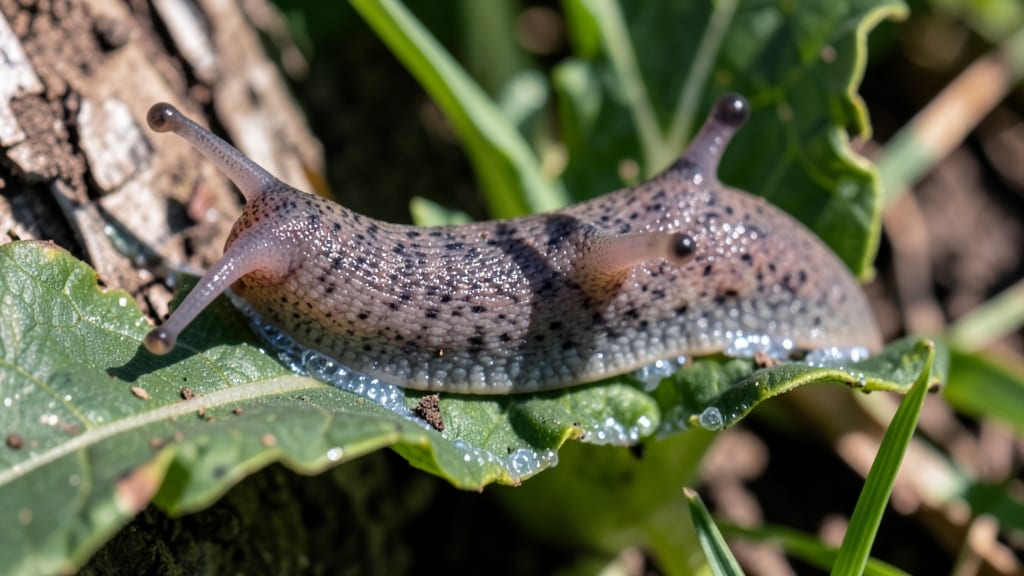
Mastering garden grubs identification early can mean the difference between thriving plants and a ruined harvest—trust me, I’ve seen the damage firsthand. 🌱 I’ve pulled dozens of these sneaky pests from my own garden beds, and every time, the damage was already done—but knowing what to look for cuts the problem in half.
These crawlers chew roots, stems, and even seedlings overnight, leaving behind ragged holes or plants that suddenly wilt without warning.
The most common culprits are Japanese beetle grubs (white, C-shaped, up to an inch long), wireworms (hard-bodied, orange or brown, like tiny copper wires), and cutworms (smooth, dark gray or brown, hiding near soil surfaces at dusk).
Each leaves distinct clues: Japanese beetle grubs tunnel through grass roots, wireworms gnaw through bulbs and tubers, and cutworms slice stems at soil level like a hot knife. A quick flashlight check after dark reveals their hideouts.
Once you spot them, act fast: handpick grubs into soapy water, encourage beneficial nematodes, or apply milky spore for Japanese beetle grubs. Prevent future infestations by removing plant debris where they overwinter and rotating crops. The key is catching them early—before your garden turns into an all-you-can-eat buffet.
This isn’t just about spotting bugs; it’s about protecting the plants you’ve nurtured. A little vigilance now means fewer headaches (and fewer holes in your zucchini) later. Let’s get those grubs identified—and out of your garden—for good.
The Hidden Triggers Behind Grubs
Grubs aren’t just random pests—they thrive because of specific conditions in your garden. Understanding these triggers helps you prevent infestations before they spiral. Here’s why your soil might be a buffet for these hungry larvae.
Grubs love moist, soft soil—it’s the perfect nursery for their eggs and larvae. When soil stays too wet (from overwatering, poor drainage, or heavy clay), it creates an ideal environment for grubs to feed, grow, and multiply.
Compacted soil also makes it harder for beneficial predators (like birds or beetles) to dig them out, giving grubs free rein.
Why it happens:
- Excess moisture slows microbial activity, reducing natural predators like nematodes.
- Poor aeration from compacted soil suffocates roots and beneficial insects that would otherwise hunt grubs.
- Organic matter buildup (from over-fertilizing or mulching too heavily) can attract grubs, as they feast on decaying plant material.
Actionable fix: Test soil moisture—water only when the top 2 inches are dry. Aerate compacted areas with a garden fork or core aerator in fall.
Grubs are detritivores, meaning they thrive on rotting plant matter. Leaving behind grass clippings, fallen leaves, or old mulch piles turns your garden into an all-you-can-eat buffet. Even well-intentioned compost heaps can become grub hotspots if not managed properly.
Why it happens:
- Decaying matter provides a food source and shelter for grubs.
- Thatch buildup (a dense layer of dead grass) traps moisture and grubs near roots.
- Over-mulching can smother soil-dwelling predators that would otherwise control grub populations.
Actionable fix: Remove thick layers of organic debris and compost it away from garden beds. Use straw or shredded leaves sparingly as mulch.
Healthy plants have stronger defenses, but when they’re stressed (from drought, disease, or poor nutrition), their roots become easier targets for grubs. Weak roots release more sugars and nutrients into the soil, luring larvae to feed.
Why it happens:
- Nutrient deficiencies (like low nitrogen) weaken roots, making them more vulnerable.
- Drought stress forces plants to divert energy to survival, leaving roots defenseless.
- Disease or pest damage (e.g., fungal infections) creates entry points for grubs to invade.
Actionable fix: Water deeply but infrequently to encourage deep root growth. Use balanced fertilizer (like 10-10-10) in early spring to boost plant resilience.
Grubs aren’t the only creatures in your soil—they’re part of a food chain. When their predators (birds, toads, ground beetles, or parasitic wasps) disappear, grub populations explode. This often happens due to pesticide overuse, habitat loss, or disrupted ecosystems.
Why it happens:
- Broad-spectrum pesticides kill both pests and beneficial insects, leaving grubs unchecked.
- Monoculture gardening (planting the same crops year after year) reduces biodiversity, starving predators of alternative food sources.
- Urbanization or lawn chemicals eliminate habitats for toads, shrews, and birds that would otherwise hunt grubs.
Actionable fix: Introduce predator-friendly plants (like dill, fennel, or marigolds) and avoid synthetic pesticides. Install a small water source to attract toads and birds.
Grubs prefer temperatures between 60–85°F (15–29°C). If your garden retains heat (from black plastic mulch, south-facing exposure, or dense plantings), it accelerates their life cycle. Eggs hatch faster, larvae grow bigger, and adults reproduce more quickly in these conditions.
Why it happens:
- Heat-retaining soils (like dark, organic-rich beds) speed up grub development.
- Lack of seasonal disturbance (e.g., not tilling in fall) lets grubs overwinter and emerge earlier.
- Microclimates in containers (like potted plants) can create localized grub hotspots.
Actionable fix: Use reflective mulch (like white gravel) in hot areas. Tilling in late summer can expose grubs to predators and cold, disrupting their cycle.
Fixing Your Garden’s Grub Problems
Got unwanted visitors munching on your plants? Don’t panic—there are effective, eco-friendly ways to tackle garden grubs and keep your soil (and plants) thriving. Below, we’ve mapped the most common causes to practical solutions, from quick fixes to long-term prevention.
Cause: Japanese beetles lay eggs in your lawn, which hatch into white grubs that devour roots. Solution:
- 🔪 Handpick & Destroy – Dig up grubs (especially in late summer/fall) and drop them in soapy water.
- 🐛 Beneficial Nematodes – Apply Heterorhabditis bacteriophora (a microscopic worm) to your soil. They infect grubs naturally.
- 🌱 Milky Spore Bacteria – A long-term organic solution that builds up in soil over time, reducing beetle larvae.
💡 Prevention Tip: Mow high (3–4 inches) to discourage beetles from laying eggs, and avoid overwatering in summer.
Cause: Billbug larvae chew through grass roots, causing brown patches. Solution:
- 👨🍳 Neem Oil Spray – Apply neem oil to soil to deter adult beetles before they lay eggs.
- 🔥 Beneficial Insects – Encourage ground beetles and parasitic wasps, which hunt billbug larvae.
- 🌡️ Soil Solarization – Cover infested areas with clear plastic for 4–6 weeks in hot sun to kill larvae.
✨ Pro Tip: Aerate your lawn in early fall to expose hidden larvae to birds and predators.
Cause: Cutworms cut down young plants at night. Solution:
- 🔪 Collars & Barriers – Wrap plant stems with cardboard or foil collars (6 inches deep) to block their access.
- 🌙 Flashlight Patrol – Shine a light at dusk to spot cutworms and handpick them (drop in soapy water).
- 🌱 Diatomaceous Earth – Sprinkle food-grade DE around plants (reapply after rain).
🎯 Prevention Tip: Avoid overwatering at night—cutworms thrive in damp conditions.
Cause: Wireworms (click beetle larvae) bore into roots and tubers. Solution:
- 🔥 Trap Cropping – Plant mustard or buckwheat to attract wireworms, then remove and destroy the plants.
- 🌱 Crop Rotation – Avoid planting susceptible crops (potatoes, corn) in the same spot yearly.
- 🐔 Chickens or Ducks – Let them forage in your garden—they love munching on wireworms!
💡 Prevention Tip: Solarize soil in summer (cover with plastic) to kill larvae before planting.
🌱 General Grub Defense:
- 📊 Test Your Soil – Healthy soil with proper drainage and organic matter is less inviting to grubs.
- 🔄 Regular Inspections – Check for grubs in early fall (before they pupate) and spring (when they’re most active).
- 🌿 Plant Resistant Varieties – Some grasses (like tall fescue) are less appealing to Japanese beetles.
⚠️ When to Call a Pro: If grubs are severe (large patches of dead grass or wilting plants), consider a professional pest control service for targeted treatment.
Remember: The key is early action—once grubs are established, they’re harder to eradicate. Try a mix of natural predators, cultural controls, and smart gardening for the best results! 🌿🚫🐜
Frequently asked questions
How can I tell if my garden has grubs without digging?
Look for chewed roots, wilted plants, or brown patches in lawns—common signs of grub damage. At dusk, shine a flashlight on soil; grubs often hide near surfaces. For lawns, lift a small section of sod to check for white, C-shaped larvae.
Are all grubs harmful to gardens?
Not all! Some grubs, like those from soldier beetles, are harmless or even beneficial. The troublemakers are Japanese beetle grubs, wireworms, and cutworms—look for root damage or stem cuts to identify them.
What’s the best time of year to treat grubs?
Fall is ideal—grubs are young and vulnerable before winter. Early spring (before they pupate) is also effective. Avoid treating in summer when grubs are most active and harder to control.
Can I use coffee grounds to repel grubs?
Yes, but it’s not a cure-all. Coffee grounds can deter some grubs by altering soil pH, but they’re most effective as a preventive barrier around plants. For heavy infestations, combine with nematodes or manual removal.
Why do grubs keep coming back after treatment?
Grubs often return due to untreated eggs or reinfestation from nearby areas. Use a multi-step approach: treat soil, remove debris, and encourage predators (like birds or nematodes) to break the cycle.