Companion Plants
Garden plants outside can thrive all year long without constant pruning—it’s easier than you think, and I’ll show you how. 🌿 The secret lies in choosing the right plants for your climate and giving them just enough care to stay strong through every season.
My front yard now bursts with color and life with almost no extra work, and I’ll show you exactly how.
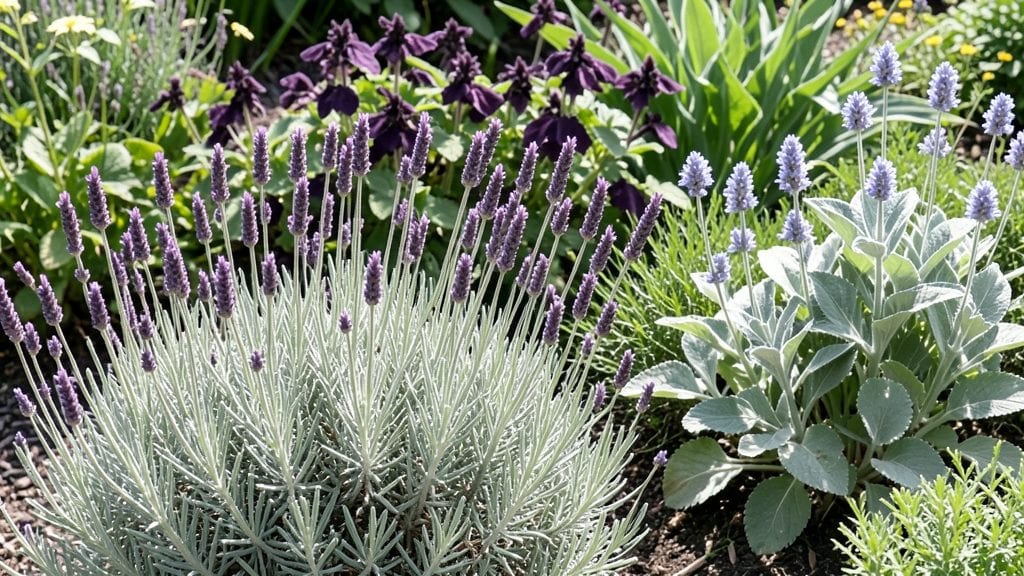
Start with perennials and shrubs that thrive in your zone, like lavender, Russian sage, or boxwood. These plants grow back reliably year after year with minimal trimming, while vegetables like kale and Swiss chard handle cooler weather better than annuals.
The key is matching plants to sunlight—most need 6+ hours daily—and prepping soil with compost for better drainage and nutrients.
You’ll end up with a garden that stays lush and productive with just monthly checks instead of weekly pruning. Imagine walking outside to fragrant blooms, crisp vegetables, and foliage that never looks tired—all while spending less time fussing over it.
The right plants make it effortless, and I’ll walk you through the easiest choices for your space.
This works for small patios, big backyards, or even containers on a balcony. Whether you’re in a hot, dry climate or a cooler, wet one, the same principles apply—just tweak the plant list. Let’s get your garden thriving with almost no extra work!
📚 In This Guide
- What you need
- Instructions
- Tips and common mistakes
- Wrapping up and next steps
What you need
- ● Garden plants: Choose 3-5 companion plant varieties (e.g., lavender, thyme, oregano, rosemary, and marigolds) for resilience and minimal pruning needs. Opt for perennials (e.g., sedum, hostas, or daylilies) for long-term growth.
- ● High-quality potting soil: 5-10 gallons (depending on garden size). Use a mix with 60-70% organic matter (e.g., compost or peat moss) for drainage.
- ● Organic fertilizer: Slow-release granules (e.g., 10-10-10 NPK ratio) or compost tea for nutrient-rich soil.
- ● Mulch: 2-3 inches of wood chips, straw, or shredded bark to retain moisture and suppress weeds.
- ● Watering can or hose: With a gentle spray nozzle for even hydration.
- ● Garden gloves: 1 pair (nitrile-coated for durability).
- ● Hand pruners: 1 pair with bypass blades (sharp and precise for clean cuts).
- ● Garden trowel: 1 for digging small holes.
- ● Measuring tape or ruler: To space plants 12-24 inches apart (depending on variety).
- ● Soil pH test kit: Ensures your garden’s pH is 6.0-7.0 (ideal for most plants).
- ● Drip irrigation system: Automates watering for consistent moisture (great for busy gardeners!).
- ● Plant markers: 10-20 (reusable labels for tracking varieties).
- ● Knee pad or stool: For comfort during planting or pruning.
- ● Compost bin: Turns kitchen scraps into nutrient-rich compost for future gardens.
- ● Solar-powered lights: Adds ambiance and deters pests at night.
How to establish outdoor garden plants for year-long growth
Here’s how to set up your garden for plants that thrive with minimal fuss all season long.
🌱 Step 1: Prepare the Soil for Healthy Roots
Start by clearing the area of weeds or debris, then loosen the top 6-8 inches of soil with a garden fork. This breaks up compacted layers so roots can spread easily. I mix in a 2-inch layer of compost into the topsoil—this adds nutrients without overwhelming plants. Work it in until the soil looks dark and crumbly, like a well-aerated cake batter.
For heavier clay soil, add a 1-inch layer of coarse sand to improve drainage. If your soil is sandy, blend in 1 part peat moss to help retain moisture. Test the soil’s moisture by squeezing a handful—it should hold together but not feel soggy. This prep ensures your plants start with strong root systems that need less watering later.
☀️ Step 2: Choose the Right Plant Placement
Group plants with similar sun and water needs together. For example, place sun-lovers like lavender and rosemary in the full sun areas where they get 6+ hours of direct light daily. Shade-tolerant plants like ferns or hostas belong under trees or on the north side of structures. I always sketch a quick layout first—it saves time rearranging later.
Check your garden’s microclimates: a south-facing bed gets hotter than a north-facing one, and low spots stay cooler. Adjust spacing based on mature plant sizes—crowding invites disease and competition. Most perennials need 18-24 inches between them, while shrubs may need 3-5 feet. Watch for leaf color changes: yellowing means too much shade or overwatering, while crispy edges signal too much sun.
💧 Step 3: Water Deeply and Establish a Routine
Water newly planted garden beds deeply right after planting—aim for 1-2 inches of water per week, delivered either through rainfall or irrigation. I use a soaker hose to water at the base of plants, avoiding wetting leaves to prevent fungal issues. Water in the early morning so foliage dries quickly, reducing disease risk.
After the first month, check soil moisture by sticking your finger 2 inches deep. If it feels dry, water again. Mulch with 2-3 inches of organic mulch (like shredded bark) to lock in moisture and suppress weeds. This layer also keeps roots cool in summer and insulated in winter. Overwatering is the biggest mistake—plants in containers or sandy soil dry out faster than those in garden beds.
✂️ Step 4: Prune Strategically for Long-Term Health
Prune only when necessary: remove dead or diseased branches immediately, and trim back overgrown growth in early spring or after flowering. I use clean, sharp shears to make cuts just above a leaf node or bud. For flowering plants, deadhead spent blooms to encourage more flowers—this keeps plants looking tidy without over-pruning.
Shape shrubs lightly in late winter before new growth starts. Avoid heavy pruning in fall, as it stimulates tender new growth that won’t survive winter. Watch for signs of stress: excessive leaf drop or stunted growth means you’re pruning too much. Most perennials and shrubs thrive with minimal pruning—just focus on removing what’s unnecessary.
🪴 Step 5: Monitor and Adjust Seasonally
Every season brings new needs. In spring, add a light layer of compost around plants to replenish nutrients. Summer might require more frequent watering during heatwaves, while fall is the time to divide overcrowded perennials. I keep a simple journal noting what worked and what didn’t—this helps me adjust next year.
Watch for pests like aphids or powdery mildew early in the season. A strong spray of water often removes aphids, and removing infected leaves prevents spread. Fertilize lightly in early spring with a balanced, slow-release fertilizer—too much can burn roots. With these small adjustments, your garden will stay vibrant with minimal effort all year.
Tips & tricks for perfect outdoor garden plants
Here's what I've learned over years of gardening to keep your plants thriving with minimal effort all season.
Soil Preparation Secret: When loosening that 6-8 inch layer of soil in Step 1, don't just break it up—aim to create a fluffy texture like cake batter. This isn't just about aeration; it's about creating pockets where roots can easily explore. For clay soil, mix in that 1-inch layer of coarse sand thoroughly—don't just sprinkle it on top. I've seen plants struggle when sand stays in clumps rather than blending in completely.
Plant Placement Pro Tip: In Step 2, when sketching your layout, add a simple sun/shade map of your yard first. Note where afternoon shade appears (trees cast shadows differently at different times) and mark south-facing areas—they get the most intense sun. This prevents you from placing sun-lovers in spots that might get too much shade later in the day. I've moved plants twice after realizing my initial placement didn't account for these microclimates.
Watering Wisdom: The 1-2 inches of water per week guideline in Step 3 is perfect, but timing matters just as much. I've found that watering in the early morning gives plants a full day to absorb moisture before evening evaporation. For containers or sandy soil, you might need to water more frequently—check that 2-inch deep moisture test every 2-3 days instead of weekly. The mulch layer you add should be 2-3 inches thick—any less won't effectively suppress weeds or retain moisture.
Pruning Strategy: When deadheading in Step 4, cut just above a leaf node or bud, but don't trim too close to the stem. Leave about 1/4 inch of growth—this encourages new blooms while preventing disease entry points. For shrubs, I've learned that light shaping in late winter (before buds swell) creates a natural, full look without shocking the plant. Avoid the temptation to prune heavily in fall—it stimulates tender new growth that won't survive winter frosts.
Pro Tips for Garden Plants Outside
- Here's what I've learned over years of gardening to keep your plants thriving with minimal effort all season.
- Soil Preparation Secret: When loosening that 6-8 inch layer of soil in Step 1, don't just break it up—aim to create a fluffy texture like cake batter.
- Plant Placement Pro Tip: In Step 2, when sketching your layout, add a simple sun/shade map of your yard first.
Frequently asked questions
about keeping garden plants thriving outside with minimal pruning care—here’s what you need to know!What are the easiest low-maintenance plants for beginners?
Start with hardy, resilient plants like lavender, rosemary, sedum, or hostas. These require minimal pruning, tolerate neglect, and often thrive in average soil. Perennials like coneflowers or black-eyed Susans also bounce back year after year with little effort!
How do I protect outdoor plants from harsh winters?
Mulch heavily (3–4 inches) around the base to insulate roots, and group tender plants near walls or fences for wind protection. For delicate varieties, use frost blankets or burlap wraps. Evergreens like boxwood or holly handle cold well—just avoid overwatering before freeze.
When is the best time to prune outdoor plants?
Prune after flowering for perennials (late summer/early fall) to encourage new growth. For shrubs like hydrangeas, prune in late winter/early spring before buds swell. Avoid heavy pruning in fall—it stimulates tender new growth that won’t survive frost.
Can I grow vegetables outside year-round with minimal pruning?
Yes! Opt for cold-hardy veggies like kale, spinach, or carrots in fall/winter. Use row covers or cold frames to extend seasons. For summer crops, choose self-cleaning varieties (e.g., cherry tomatoes) that require less deadheading. Succession planting keeps your garden productive with minimal upkeep.
How do I keep pests away without chemicals?
Encourage natural predators like ladybugs or lacewings with companion plants (e.g., marigolds or basil). Neem oil or insecticidal soap sprays work for spot treatments. Healthy soil and proper spacing reduce stress, making plants less vulnerable. Aphids? Blast them off with water—often the simplest fix!
Wrapping up and next steps
Transforming your outdoor space into a lush, low-maintenance garden is simpler than you think! By choosing the right garden plants outside—like hardy perennials, companion-friendly herbs, or resilient shrubs—you can enjoy year-round beauty with minimal pruning.
The key is selecting plants that thrive in your climate, complement each other, and require little upkeep once established.
Ready to get started? Begin by sketching a simple layout, gathering your tools, and planting just a few resilient varieties this season. Before you know it, your garden will flourish with zero stress—and all the joy of nature at your fingertips! 🌱✨