Planting
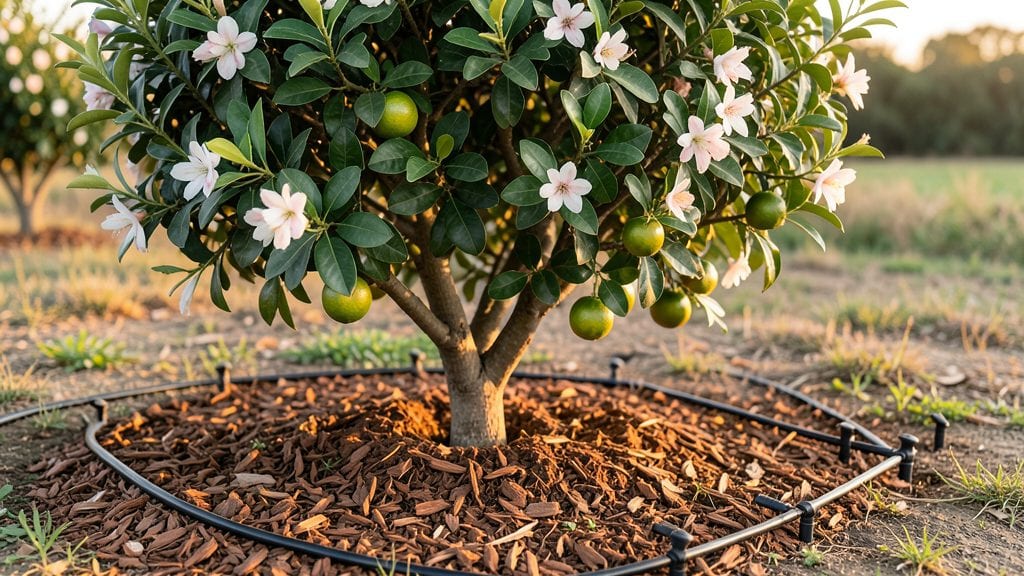
Zone 10 gardening thrives year-round with heat-tolerant plants like bougainvillea, citrus trees, and palm varieties, while requiring consistent moisture and shade protection during peak summer months to prevent stress. Cool-season crops like lettuce and peas can be grown in winter with proper irrigation and mulching.
This frost-free climate lets you grow tropical plants like hibiscus and avocado trees without worrying about winter dieback. 🌿 The key to success here is matching plants to the microclimates within your yard—some areas may get hotter or drier than others, so adjusting watering schedules and mulch types makes all the difference.
For example, succulents and cacti thrive in full sun with minimal water, while citrus trees need well-draining soil and regular hydration to keep their fruit production strong.
Don't overlook the importance of soil health—Zone 10's warm weather speeds up nutrient depletion, so amending your soil with compost every few months keeps plants vigorous. I've found that drip irrigation systems work best here, delivering water directly to roots while reducing evaporation losses from the intense sun.
💡 In This Article
- Climate-Specific Plant Selection for Zone 10 Gardens
- Year-Round Soil and Water Management Tips
Climate-specific plant selection for Zone 10 gardens
Zone 10's frost-free environment—where winter temperatures rarely drop below 40°F—creates a unique opportunity to grow plants that would freeze in colder climates. The key to success lies in understanding how plants adapt to this consistently warm yet variable humidity climate.
Tropical species like mango trees and hibiscus bushes thrive because their native environments mirror Zone 10's year-round warmth and high humidity (often 60-80% relative humidity). These plants have evolved to handle steady temperatures without dormancy periods, making them ideal for continuous growth.
The science behind this involves photosynthesis efficiency—tropical plants have adapted to maximize energy capture in warm conditions. For instance, bougainvillea flowers prolifically in Zone 10 because its deep root system accesses moisture while its waxy leaves reduce water loss during the 90-100°F summer days.
Meanwhile, citrus trees (like lemons and oranges) need well-draining soil to prevent root rot from the heavy rainfall common in Zone 10's wet seasons, yet their evergreen nature allows them to photosynthesize year-round without seasonal stress. 🌞
For cool-season crops like lettuce and peas, the strategy shifts to shade protection and soil moisture retention. These temperate plants can handle Zone 10's mild winters (50-70°F average) but require 50-70% shade during summer to prevent bolting (premature flowering).
Mulching with 3-4 inches of organic matter keeps roots cool while retaining moisture—critical when summer temperatures can exceed 105°F in inland areas. The contrast between tropical and temperate plants highlights how microclimates within Zone 10 (coastal vs. inland) dictate plant selection.
Drought-resistant natives like California native grasses (e.g., deer grass) or agave are game-changers for sustainability. These plants have evolved to store water in their leaves or roots, requiring only 50% of the water that non-native species need.
Their deep root systems also improve soil structure, reducing erosion—a common issue in Zone 10's heavy rainfall periods. For example, yucca plants thrive with once-weekly watering in summer and none in winter, while still providing year-round greenery and wildlife habitat.
What most gardeners overlook is how humidity fluctuations affect plant health. Coastal Zone 10 areas (like San Diego) experience maritime humidity (consistently high), while inland zones (like Phoenix) face desert-like dryness with 20-40% relative humidity.
This means coastal gardens can support ferns and orchids, while inland gardens need succulents and cacti. The solution? Use mulch types strategically: straw mulch for dry areas to retain moisture, and bark mulch for humid zones to prevent fungal growth.
Here's a quick reference for plant categories in Zone 10:
- Tropical Perennials: Bougainvillea, hibiscus, plumeria (need full sun and regular watering)
- Drought-Tolerant Natives: Agave, yucca, California lilac (minimal water, well-draining soil)
- Citrus & Fruit Trees: Lemon, orange, avocado (6-8 hours sun, acidic soil)
- Cool-Season Crops: Lettuce, peas, broccoli (partial shade, consistent moisture)
The takeaway? Zone 10 gardening rewards those who match plants to their native climate needs—whether that's tropical heat-lovers, desert survivors, or temperate cool-season crops. With the right selection, your garden can flourish 365 days a year without the seasonal limitations of colder climates. 🌱