
Companion Plants
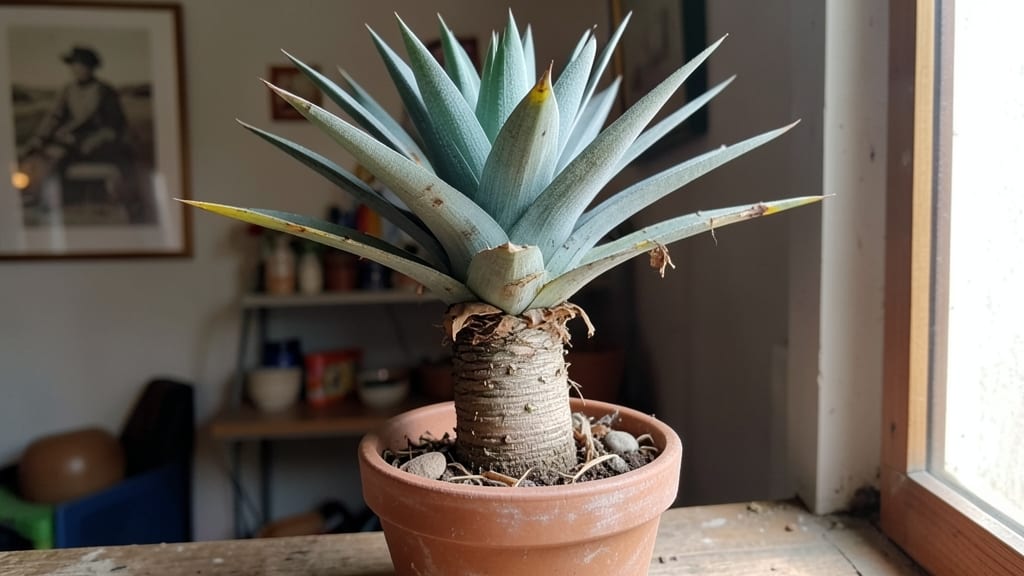
Yucca plants bring bold architectural drama to sun-drenched gardens with almost no effort. 🌿 I’ve grown them for years in hot, dry climates, and they’ve never once complained—just stood there, sword-like leaves catching the light while everything else wilts.
The key lies in mimicking their native desert conditions: full sun, rocky soil, and forgetful watering.
Start with well-draining soil—mix in sand or gravel if your native dirt stays soggy—and plant in spring after the last frost. Yuccas hate wet feet, so raised beds or slopes work best. Water deeply once a week for the first month, then let the soil dry completely between waterings.
They’ll reward you with vibrant green spikes that turn into striking flower stalks in late summer.
Pruning is minimal: remove dead leaves in early spring and cut back old flower stalks after blooming. These plants thrive on neglect, but they’ll look even better with a light feeding of 10-10-10 fertilizer in early spring. Deer and rabbits avoid them, making them perfect for low-maintenance landscapes.
Perfect for borders, containers, or as focal points in xeric gardens. Once established, they’ll outlast trendy annuals by decades—with almost no upkeep. Here’s how to get them growing strong in your landscape.
📚 In This Guide
- What you need
- Instructions
- Tips and common mistakes
- Wrapping up and next steps
What you need
- ● Yucca plants: Choose between Yucca rostrata (beaked yucca), Yucca filamentosa (Adam’s needle), or Yucca gloriosa (Spanish dagger). Opt for 3-5 mature plants (1-2 feet tall) or 10-20 seeds if starting from scratch.
- ● Well-draining soil: Mix 50% native soil with 50% coarse sand or gravel (1 cubic yard per 10 sq ft of planting area). Avoid clay-heavy soil!
- ● Sunlight: A full-sun location (6+ hours of direct sunlight daily). Yuccas thrive in heat and hate shade!
- ● Water: 1 gallon per plant during the first week post-planting, then water deeply 1-2 times per month (yuccas are drought-tolerant!).
- ○ Fertilizer (optional but helpful): Balanced 10-10-10 granular fertilizer (1 tbsp per plant, applied once in spring).
- ● Garden trowel or spade (for digging holes 2-3x wider than the root ball).
- ● Gloves (yucca leaves can be sharp!).
- ● Pruners or shears (for trimming dead leaves or offsets).
- ○ Mulch (optional): 2-3 inches of gravel or pebbles around the base to retain moisture and deter weeds.
- ○ Stakes (optional): For young plants in windy areas (2-3 stakes per plant).
Step-by-step guide to planting and cultivating yucca for stunning, low-maintenance landscapes
Here’s how to grow these architectural drought-proof plants with bold, sword-like foliage that thrives in full sun.
🪴 Step 1: Select the Perfect Planting Site and Prepare the Soil
Yucca plants demand full sun exposure—at least 6-8 hours of direct sunlight daily. Choose a location with well-draining soil; they’ll rot in soggy conditions. If your soil is heavy clay, amend it with 1-2 inches of coarse sand or gravel mixed into the top 12 inches of soil to improve drainage.
Dig a hole twice as wide as the plant’s root ball but only as deep as the container it came in. Yucca roots are shallow but spread aggressively, so avoid planting too deep. Loosen the sides of the hole with a shovel to encourage root penetration into the surrounding soil.
🌱 Step 2: Plant Yucca with Care to Avoid Root Damage
Gently remove the plant from its container, teasing apart any tightly bound roots if necessary. Place it in the hole so the top of the root ball sits 1 inch above ground level. This prevents water from pooling around the base, which yucca plants despise.
Backfill the hole with native soil, pressing lightly around the edges to eliminate air pockets. Water deeply to settle the soil and encourage root contact. Avoid compacting the soil too firmly—yucca roots need room to breathe. Once planted, refrain from watering again for 7-10 days to allow roots to establish without excess moisture.
☀️ Step 3: Establish a Watering Routine That Prevents Overhydration
Yucca plants are drought-tolerant once established, but they need consistent moisture during their first growing season. Water deeply every 10-14 days during the first year, allowing the soil to dry out completely between waterings. Overwatering is the fastest way to kill yucca—yellowing leaves or mushy stems are sure signs of root rot.
After the first year, reduce watering to once a month unless your region experiences extreme heat or drought. Yucca stores water in its thick leaves, so it can go weeks without supplemental water once mature. Mulch around the base with 2-3 inches of gravel or bark to retain moisture and suppress weeds without smothering the roots.
✂️ Step 4: Prune and Maintain for Healthy Growth and Stunning Form
Yucca requires minimal pruning, but you can shape it by removing dead or damaged leaves with clean, sharp pruners. Cut back to the base if a leaf becomes brown or brittle. Avoid over-pruning—yucca’s architectural beauty lies in its bold, upright structure.
In late winter or early spring, fertilize lightly with a balanced, slow-release fertilizer (10-10-10) to encourage new growth. Apply it 6 inches away from the base and water it in thoroughly. Too much fertilizer can burn the roots, so skip it entirely in the second year if the plant looks healthy. Yucca thrives on neglect once established!
⏰ Step 5: Watch for Pests and Diseases to Keep Plants Thriving
Yucca is generally pest-resistant, but mealybugs or scale insects may occasionally appear. Wipe leaves with a damp cloth dipped in soapy water to remove infestations. For severe cases, apply horticultural oil or neem oil as a natural treatment.
Fungal issues like root rot are the only real threat, so ensure proper drainage and avoid overhead watering. If you notice yellowing leaves or soft stems, reduce watering immediately and improve soil drainage. With the right care, your yucca will reward you with striking, low-maintenance beauty for decades.
Tips & tricks for perfect yucca plant cultivation
Transforming your landscape with these architectural beauties is easier than you think—just follow these game-changing strategies for thriving yucca plants.
The Sunlight Secret: Yucca plants need that 6-8 hours of direct sunlight daily—no compromises! If your yard has partial shade, position them where they’ll get the most sun possible. South-facing spots are ideal, but east or west exposures work too. Remember, these plants thrive in heat and actually become more vibrant with more sunlight.
Soil Prep Game-Changer: When amending heavy clay soil with 1-2 inches of coarse sand or gravel, mix it into the top 12 inches of soil—not just the surface. This creates proper drainage channels that prevent root rot. Pro tip: Test your soil’s drainage by digging a 6-inch hole, filling it with water, and timing how long it takes to drain. If it takes more than 10 minutes, you need more amendments.
Planting Precision: That 1-inch elevation above ground level for the root ball isn’t just arbitrary—it’s crucial for preventing water pooling. Use a level to ensure the plant sits perfectly straight, as yucca grows upright and won’t recover from being planted at an angle. Also, avoid compacting the soil too firmly; gently patting it down is enough to eliminate air pockets without suffocating the roots.
Watering Wisdom: The 7-10 day wait before watering after planting is non-negotiable—it forces roots to seek moisture deeper in the soil. After that, the 10-14 day watering schedule during the first year might seem excessive, but it’s essential for establishing strong root systems. Once mature, yucca’s water storage capabilities mean you can truly set it and forget it—just remember that once a month guideline unless your region faces extreme conditions.
Pro Tips for Garden Yucca Plants
- Transforming your landscape with these architectural beauties is easier than you think—just follow these game-changing strategies for thriving yucca plants.
- The Sunlight Secret: Yucca plants need that 6-8 hours of direct sunlight daily—no compromises!
- Soil Prep Game-Changer: When amending heavy clay soil with 1-2 inches of coarse sand or gravel, mix it into the top 12 inches of soil—not just the surface.
Frequently asked questions
Got questions about keeping your garden yucca plants thriving? You’re in the right place! Whether you’re a newbie or a seasoned gardener, these answers will help you grow stunning, low-maintenance yuccas with ease.
How often should I water my garden yucca plants?
Yuccas are drought-tolerant superstars—overwatering is their biggest enemy! Once established (after 1–2 years), water them every 2–4 weeks in dry climates, or even less in desert regions. During extreme heat, a deep soak monthly keeps them happy. Pro tip: Let the soil dry out completely between waterings to avoid root rot.
When is the best time to plant yucca in my garden?
Spring or early fall are the golden windows for planting yuccas. In warmer zones (USDA 7–11), spring ensures roots establish before summer heat. Cooler fall planting gives them time to settle before winter. Avoid planting in peak summer—the stress can shock tender roots.
What pests or diseases should I watch for with garden yucca?
Yuccas are tough, but yucca moths (harmless pollinators) and scale insects can be nuisances. Watch for sticky residue or wilting leaves—scale thrives in dry conditions. For treatment, blast off pests with water or use neem oil. Fungal issues like leaf spot? Improve airflow and avoid overhead watering.
Can I grow yucca in containers? If so, what’s the ideal pot size?
Yuccas thrive in containers with fast-draining soil and a pot at least 12–18 inches deep. Smaller varieties (like Yucca filamentosa) do well in 10-gallon pots, while larger types need 20+ gallons to prevent root binding. Use a terracotta pot for extra breathability—just move it indoors if temps drop below 20°F.
Are there any companion plants that pair well with yucca?
Yuccas love sun-loving, drought-tolerant buddies! Try pairing them with:
- Agave (succulent cousins with bold textures)
- Lavender (fragrant and pest-repelling)
- Russian sage (drought-resistant and purple-hued)
- Black-eyed Susan (bright pops of color)
How cold-hardy are garden yuccas, and do I need to protect them in winter?
Most yuccas handle 10–20°F with ease, but tender varieties (like Yucca elephantipes) may need light mulch or burlap wraps in sub-15°F zones. If your yucca is potted, move it to a sheltered spot or indoors near a sunny window. Never prune frost-damaged leaves until spring—they’ll regrow!
Wrapping up and next steps
Garden yucca plants are the ultimate low-maintenance superstars for sun-loving landscapes—drought-resistant, striking, and effortlessly elegant! Whether you're a seasoned gardener or just starting, these hardy plants bring texture and drama to any outdoor space with minimal fuss. 🌵✨
Now that you’re armed with the how-to and answers to common questions, it’s time to roll up your sleeves and plant your own yucca paradise. Start small—pick one variety, prep your soil, and watch your garden transform into a sun-soaked sanctuary. Happy planting!