Companion Plants
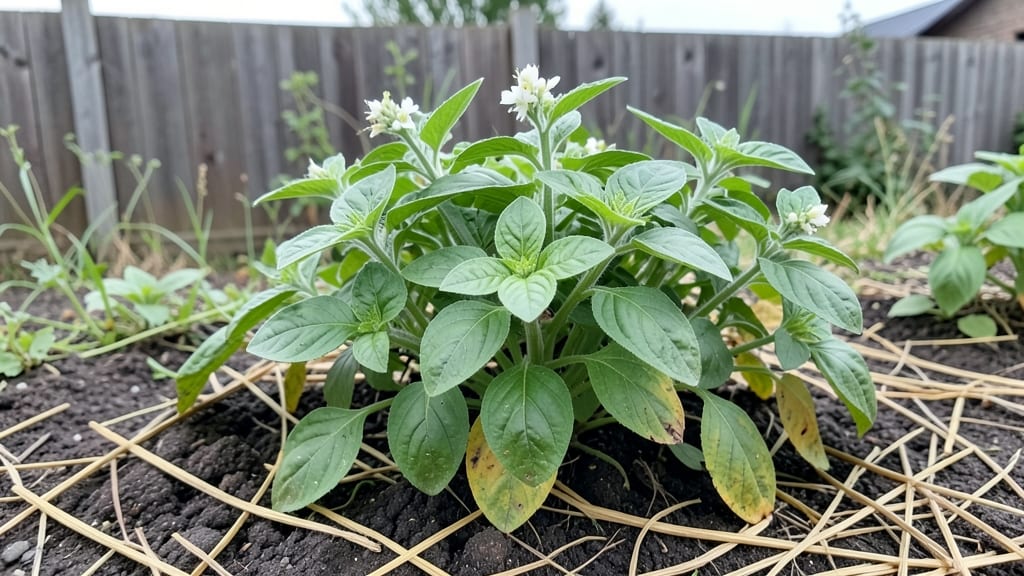
Gardening basil plants from seed to pesto powerhouse in just 90 days transformed my kitchen—and my love for herbs—forever. That first harvest—bright green, fragrant leaves ready for snapping—makes every pot of pasta taste like a summer memory.
The secret? Matching basil’s Mediterranean roots to your growing space, whether that’s a sunny windowsill or a backyard plot.
You’ll need 6+ hours of sunlight daily, well-draining potting mix, and a container at least 6 inches deep—basil hates soggy feet. Start seeds indoors 6-8 weeks before last frost, or transplant nursery starts after soil warms to 55°F.
The real magic happens when you pinch off the top leaves early; this forces bushier growth and more harvests. I’ve killed basil before by overwatering (it’s drought-tolerant once established) or letting it bolt in heat—both easy fixes once you know the signs.
By day 90, you’ll be harvesting 2-3 tablespoons of leaves per plant weekly, enough for fresh pesto, salads, or tomato sandwiches. The flavor? Bold, sweet, and peppery—nothing like store-bought. Prune regularly to keep plants compact, and watch for pests like aphids (spray with soapy water if they appear).
With these basics, you’ll turn basil from a grocery store afterthought into your garden’s star performer.
Works for containers, raised beds, or in-ground gardens—just adjust spacing (12 inches apart outdoors). In cold climates, bring pots indoors before frost. The key is consistency: sunlight, pruning, and patience. Your first harvest will make every minute worth it.
📚 In This Guide
- What you need
- Instructions
- Tips and common mistakes
- Wrapping up and next steps
What you need
- ● Basil seeds or seedlings: 1 packet (or 3-5 healthy seedlings from a nursery). Look for Genovese or Sweet Basil for pesto perfection!
- ● Containers or garden bed: For containers: 5-6" deep pots with drainage holes (1-2 per plant). Use terracotta or fabric grow bags for best results.
- ● For garden beds: A sunny spot with well-draining soil (6+ hours of sunlight daily). Space plants 12-18 inches apart.
- ● Potting mix: 1 bag of lightweight, well-draining mix (avoid heavy garden soil). Add perlite or vermiculite (10-20%) for aeration.
- ● Watering can or hose: With a gentle spray nozzle to avoid disturbing seedlings.
- ● Fertilizer: Balanced 10-10-10 or organic compost (mix 1 tbsp per gallon of water or sprinkle lightly at planting).
- ● Garden twine or stakes: For trellising if growing Thai basil (which can get leggy).
- ● Mulch: Straw or shredded leaves to retain moisture and suppress weeds.
- ● Pruning shears: Sharp scissors to harvest leaves and encourage bushier growth.
- ● Shade cloth: Lightweight fabric (30-50% shade) for hot climates to prevent bolting.
- ● Companion plants: Plant near tomatoes, peppers, or oregano to deter pests naturally!
Step-by-Step instructions for growing basil plants
Here's the foolproof method I use to grow basil that's ready for pesto in just 90 days.
Prepare Soil and Plant Containers
Start by selecting containers that are at least 6 inches deep—basil roots need room to spread. Fill each with 3 gallons of potting mix mixed with 1 cup perlite to improve drainage. Press the soil down gently so it's firm but not compacted. Basil hates soggy roots, so drainage is non-negotiable.
If you're planting seeds, sprinkle 5-6 seeds per container at a depth of ¼ inch. For transplants, place each plant 1 inch deeper than it was in its nursery pot to encourage strong root development. Water immediately after planting until moisture seeps from the drainage holes.
Provide Ideal Light and Temperature
Basil thrives in full sun, so position your containers where they'll receive 6-8 hours of direct sunlight daily. A south-facing window or outdoor spot works best. If growing indoors, supplement with a grow light kept 6 inches above the plants for 12-14 hours per day. Without enough light, basil grows leggy and flavorless.
Maintain temperatures between 65-75°F—basil bolts (goes to flower) when stressed by heat or cold. If your space runs cooler, use a seedling heat mat to keep roots warm. You'll notice leaves wilting slightly in the afternoon? That's normal—just water deeply at the base to revive them.
Water and Fertilize Consistently
Water basil when the top inch of soil feels dry to the touch. Stick your finger in—if it's damp, wait another day. Overwatering causes root rot, while underwatering leads to bitter leaves. I use 1 cup of water per container every 2-3 days, adjusting for humidity and temperature.
Feed plants every 2 weeks with ½ teaspoon of balanced fertilizer (10-10-10) dissolved in water. Stop fertilizing 4 weeks before harvest to avoid bitter flavors. Yellowing leaves? You're overdoing it—flush the soil with plain water to reset the nutrient balance.
Prune for Bushier Growth and Harvest
Pinch off the top set of leaves when the plant reaches 6 inches tall to encourage branching. This creates a fuller bush with more harvestable leaves. Keep pruning regularly—anytime you see a stem with 4-5 leaves, snip just above the third leaf pair. You'll see new side shoots emerge within 7-10 days.
Harvest leaves in the morning when essential oils are at their peak. Snip ⅓ of the plant at a time, always cutting just above a leaf node. Avoid taking more than 20% of the plant in one session—basil recovers faster when you let it regrow. The more you harvest, the more it produces!
Troubleshoot Common Issues
Watch for aphids on new growth—wipe them off with soapy water immediately. If leaves turn yellow between veins, it's likely iron deficiency. Mix 1 teaspoon of chelated iron into the soil and water deeply. Basil also struggles in high humidity—space plants 12 inches apart for airflow.
Bolting (flowering) is the biggest flavor killer. If you see buds forming, snip them off immediately. To delay bolting, keep plants in partial shade during 90°F+ days and harvest aggressively. With proper care, your basil will stay lush and sweet for 90 days or more.
Tips & tricks for growing basil plants
A few key strategies will help you grow basil that's vibrant, flavorful, and ready for pesto in just 90 days.
The Light Factor: In Step 2, when positioning your containers for 6-8 hours of sunlight, prioritize morning sun exposure. Basil thrives on the cooler morning light, which helps prevent bolting during hot afternoons. If using grow lights indoors, position them just 4-6 inches above the plants—the closer they are, the more intense the light, but never let them touch the leaves to avoid heat damage.
Soil Preparation Insight: The 3 gallons of potting mix per container in Step 1 should be a well-draining mix specifically formulated for herbs. I recommend adding a handful of worm castings to the mix for added nutrients, which gives your basil a gentle growth boost without the risk of over-fertilizing. This small addition makes a noticeable difference in leaf size and flavor intensity.
Watering Technique: When checking the top inch of soil in Step 3, use your finger to gauge moisture—this tactile method is more accurate than visual inspection. Water deeply until it flows from the drainage holes, then let the excess drain completely. This ensures the roots get the right amount of moisture without sitting in water, which is crucial for preventing root rot in basil's delicate root system.
Pruning Strategy: In Step 4, when pinching back the top leaves at 6 inches, always use clean, sharp scissors or pruning shears. This prevents tearing the stems and minimizes stress on the plant. Regular pruning not only encourages bushier growth but also directs the plant's energy toward producing more leaves rather than flowering, keeping your basil productive for the full 90 days.
Pro Tips for Gardening Basil Plants
- A few key strategies will help you grow basil that's vibrant, flavorful, and ready for pesto in just 90 days.
- The Light Factor: In Step 2, when positioning your containers for 6-8 hours of sunlight, prioritize morning sun exposure.
- Soil Preparation Insight: The 3 gallons of potting mix per container in Step 1 should be a well-draining mix specifically formulated for herbs.
Frequently asked questions
Got questions about growing your own basil? You’re in the right place! Here are answers to the most common queries—from timing to troubleshooting—so you can grow a thriving pesto powerhouse with confidence.
How long does it take for basil plants to grow from seed?
Basil seeds typically sprout in 7–14 days under warm conditions (70°F+). From seed to harvest-ready plant, expect 60–90 days. For faster results, opt for transplants, which mature in 45–60 days. Patience pays off—those first leaves are worth the wait!
When is the best time to plant basil outdoors?
Wait until after the last frost when soil temps hit 50°F+. In most regions, this means late spring (May–June). Basil hates cold, so avoid planting too early—even a light frost will kill it. If you’re in a warm climate, you can also plant in early fall for a second harvest.
What pests or diseases should I watch for in basil plants?
Basil’s biggest foes are aphids, spider mites, and whiteflies. Look for sticky leaves or tiny webs. For organic fixes: Spray with neem oil or introduce ladybugs. Fungal issues like downy mildew (gray fuzz on leaves) thrive in humidity—prune for airflow and avoid overhead watering.
Can I grow basil indoors, and what’s the best setup?
Basil thrives indoors with 6+ hours of sunlight daily (a south-facing window or grow lights work). Use a 6–8" pot with drainage, and keep soil moist but not soggy. A small fan on low mimics outdoor breezes, preventing mold. Bonus: Indoor basil stays pest-free and ready for year-round pesto!
What other plants make great companions for basil?
Basil loves teaming up with tomatoes, peppers, and oregano—they repel pests like mosquitoes and whiteflies. Avoid planting near rue or sage, as they stunt basil’s growth. For containers, pair it with lettuce or strawberries to maximize space. Pro tip: Interplant basil with tomatoes to boost flavor and deter hornworms!
Wrapping up and next steps
Growing your own basil is a rewarding journey that brings fresh, flavorful herbs right to your kitchen—in just 90 days! 🌱 Whether you're a beginner or a seasoned gardener, these tips will help you cultivate a thriving pesto powerhouse.
With the right companion plants, sunlight, and care, you’ll enjoy a bountiful harvest for sauces, teas, and more.
Ready to take the next step? Start with a few seeds or seedlings, follow the guide, and soon you’ll be savoring homegrown basil like a pro. Happy gardening—and bon appétit! 🍃