
Vegetables
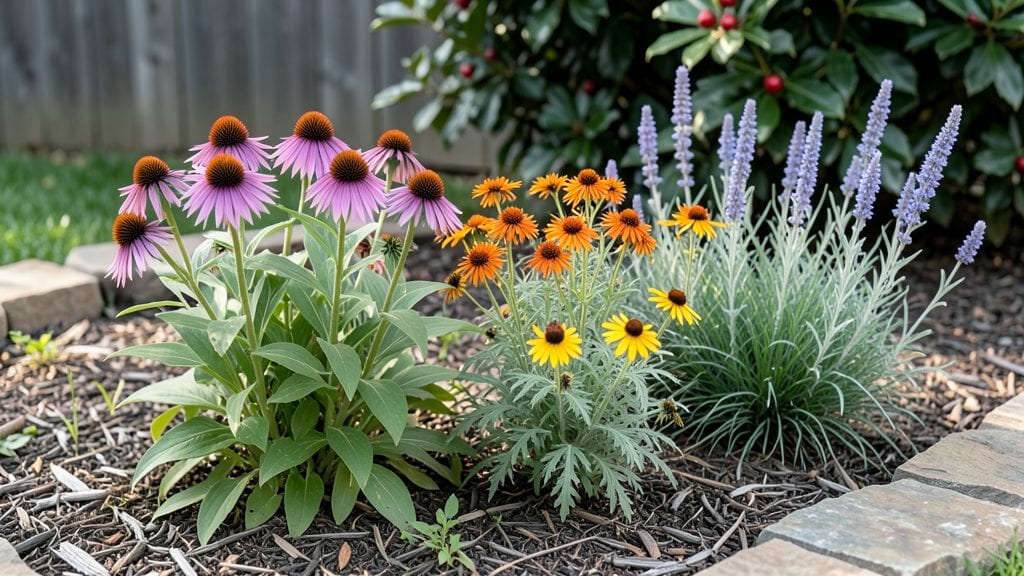
Tennessee’s gardens thrive with bold native plants and rich soil that inspire dishes just as vibrant as the landscapes. 🌿 The same collard greens growing in your raised beds—fed by Tennessee’s fertile clay-loam—transform into a smoky, savory centerpiece when paired with locally sourced ham hocks.
This recipe bridges garden and table, celebrating the state’s agricultural roots while showcasing how seasonal harvests elevate Southern cooking.
The beauty of this dish lies in its simplicity: collards harvested fresh from your garden, slow-cooked with smoky ham hocks, and finished with a touch of apple cider vinegar—a nod to Tennessee’s orchards.
No fancy techniques are needed, just the deep flavors of homegrown produce and time-honored methods. The result? A dish that tastes like the Tennessee countryside, where gardens and kitchens have always been intertwined.
Imagine the first bite—tender greens infused with smoky sweetness, their texture just crisp enough to hold up to the rich ham. The aroma alone will transport you to a backyard garden in the Smoky Mountains, where collards grow wild and the air hums with the scent of woodsmoke.
This isn’t just a recipe; it’s a celebration of Tennessee’s gardening traditions, where every ingredient tells a story.
Perfect for gardeners who love to cook—or cooks who appreciate the magic of homegrown ingredients. Whether you’re growing collards in your backyard or sourcing them from a local farm, this dish proves that the best flavors start in the soil. Let’s bring the garden to your table, Tennessee-style.
📚 In This Guide
- What you need
- Instructions
- Tips and common mistakes
- Wrapping up and next steps
What you need
- ● Collard greens: 1 large bunch (about 12 oz), fresh and crisp
- ● Ham hocks: 2 large (or 4 small), smoked for that authentic Tennessee flavor
- ● Onions: 1 large yellow or red onion, diced (about 1 cup)
- ● Garlic: 4–5 cloves, minced (or 1 tsp garlic powder in a pinch)
- ● Apple cider vinegar: ¼ cup (adds tanginess and balances smokiness)
- ● Black pepper: ½ tsp (freshly cracked for best flavor)
- ● Salt: 1–2 tsp (adjust to taste)
- ● Water or vegetable broth: 4–6 cups (for simmering)
- ● Large Dutch oven or heavy pot: 6–8 quart capacity (for even cooking)
- ● Chef’s knife & cutting board: For chopping onions, garlic, and collards
- ● Wooden spoon or spatula: For stirring (avoid metal to prevent scorching)
- ● Measuring cups/spoons: For precise vinegar and broth amounts
- ○ Tongs or slotted spoon: For removing ham hocks (optional but helpful)
- ○ Slow cooker (optional): 6-quart size for hands-off cooking
- ● Hot pepper (e.g., jalapeño or serrano): 1–2, sliced (for heat)
- ● Fresh thyme or rosemary: 1 sprig (for herbal depth)
- ● Sweet potatoes or yams: 2 medium, cubed (add 20 mins before serving)
- ● Okra: 1 cup, sliced (for a Southern twist)
How to design a Tennessee-friendly vegetable garden
Tennessee’s climate—hot summers, mild winters, and rich soil—lets you grow a thriving garden year-round.
🌱 Step 1: Choose the Right Location and Soil
Select a spot with at least 6-8 hours of sunlight daily, ideally in a south or southwest exposure to maximize warmth. Tennessee’s clay-heavy soil drains poorly, so amend it with 2-3 inches of compost and 1 inch of coarse sand to improve aeration. I always test my soil’s pH—most vegetables thrive in 6.0-7.0, so adjust with lime if needed.
Here’s the thing—if your yard has poor drainage, raise beds 6-12 inches to prevent waterlogging. Tennessee’s humidity means soggy roots invite fungal diseases, so elevation is key. Spread the 3 gallons of potting mix (or garden soil blend) evenly across the bed, mixing in 1 cup of balanced fertilizer to kickstart growth.
☀️ Step 2: Plan for Tennessee’s Growing Seasons
Tennessee’s frost-free season spans mid-April to late October, but heat waves can stress plants. Start cool-season crops like collards, kale, and broccoli in early spring or late summer for fall harvests. Warm-season staples—tomatoes, peppers, and okra—thrive when soil reaches 65°F, usually by mid-May. I always plant heat-lovers after Memorial Day to avoid late frosts.
Use row covers for early spring plantings to extend the season. These lightweight fabrics protect young seedlings from 32°F+ temperatures while letting sunlight through. Remove them once plants are established—usually after 4-6 weeks—to prevent overheating. Tennessee’s summer humidity demands good airflow, so space plants 12-18 inches apart to reduce disease risk.
💧 Step 3: Water Deeply and Mulch Strategically
Tennessee’s erratic rainfall means deep, infrequent watering is critical. Water 1-2 inches per week, delivering moisture to the root zone (about 6 inches deep) rather than surface sprinkling. I set a rain gauge to track rainfall—if it’s been dry for 3+ days, it’s time to water. Early morning is best to reduce evaporation and fungal spores.
Spread 2-3 inches of mulch (like straw or wood chips) around plants to retain moisture and suppress weeds. Mulch also keeps soil temperatures stable—important in Tennessee’s 90°F+ summers and freezing winters. Replenish mulch every 2-3 months to maintain coverage, especially after heavy rains wash it away.
✂️ Step 4: Maintain and Harvest for Tennessee’s Climate
Prune plants regularly to encourage bushier growth and better air circulation. For example, pinch back tomato suckers (the shoots growing between the stem and branches) to focus energy on fruit production. Harvest leafy greens like collards by cutting outer leaves—this stimulates new growth and keeps plants productive through Tennessee’s fall and winter months.
Watch for pests like squash vine borers and tomato hornworms, which thrive in Tennessee’s heat. Handpick larvae or use neem oil as a preventative spray. If fungal diseases like powdery mildew appear, improve airflow and apply copper fungicide early in the morning. Tennessee’s humidity turns minor issues into major problems fast, so act at the first sign of trouble.
⏰ Step 5: Plan for Year-Round Success
Extend your garden’s life by planting cool-season crops in early spring and fall, and warm-season crops in late spring and summer. Succession planting—sowing new seeds every 2-3 weeks—ensures a continuous harvest. For example, bush beans planted in May, June, and July give you fresh pods all summer long.
In Tennessee’s Zone 6b-7a, some crops like garlic and onions benefit from fall planting for spring harvests. Others, like sweet potatoes, need the long, hot summers to mature. Keep a garden journal to track what thrives in your specific microclimate—your notes will become your most valuable tool year after year.
Tips & tricks for perfect Southern-style collard greens with smoky ham hocks
Let me share my hard-earned wisdom about crafting collard greens that taste like they came from a Tennessee family kitchen—rich, smoky, and full of depth.
Soil Temperature Matters: When planting collards in Tennessee’s Zone 6b-7a, wait until soil reaches 65°F—usually by mid-May—before sowing seeds. Cold soil slows germination and makes plants vulnerable to fungal diseases. I always test soil temperature with a thermometer to avoid disappointment.
Row Cover Strategy: Use lightweight row covers for early spring plantings to protect seedlings from 32°F+ temperatures while letting sunlight through. Remove them after 4-6 weeks when plants are established—this prevents overheating in Tennessee’s summer humidity. I’ve saved entire plantings this way during unpredictable spring frosts.
Watering Wisdom: Tennessee’s erratic rainfall demands deep, infrequent watering—aim for 1-2 inches per week delivered to the root zone (about 6 inches deep). Water in the early morning to prevent fungal spores from thriving in the humidity. I use a rain gauge to track moisture levels and adjust accordingly.
Harvesting Technique: For continuous collard production through Tennessee’s fall and winter, harvest by cutting outer leaves rather than pulling whole plants. This stimulates new growth and keeps your garden productive. I always leave at least 12-18 inches of stem attached to maintain plant health.
Pro Tips for Gardens In Tennessee
- Let me share my hard-earned wisdom about crafting collard greens that taste like they came from a Tennessee family kitchen—rich, smoky, and full of depth.
- Soil Temperature Matters: When planting collards in Tennessee’s Zone 6b-7a, wait until soil reaches 65°F—usually by mid-May—before sowing seeds.
- Row Cover Strategy: Use lightweight row covers for early spring plantings to protect seedlings from 32°F+ temperatures while letting sunlight through.
Frequently asked questions
Got questions about gardening in Tennessee?
Whether you're a seasoned green thumb or just starting, these answers will help you grow the best collard greens (and more!) for your smoky Southern dish.
What’s the best time to plant collard greens in Tennessee?
Plant collard greens 6–8 weeks before your first expected frost (usually late summer for fall harvests) or in early spring after soil warms to 60°F+. Tennessee’s mild winters let you grow them year-round in zones 6–8, but avoid extreme heat (they bolt easily!). For smoky ham hocks, pair with late-fall greens for peak flavor.
Do I need a big garden to grow collard greens?
Not at all! Collards thrive in containers (5+ gallons) or small plots—just ensure they get 6+ hours of sun daily. Tennessee’s clay soil? Amend with compost! Even a balcony or raised bed works. Pro tip: Succession plant every 2 weeks for a continuous harvest.
What pests should I watch for in Tennessee gardens?
Common culprits include cabbage worms, aphids, and flea beetles. Use row covers for young plants or spray with neem oil. Tennessee’s humidity also attracts slugs—set out beer traps or diatomaceous earth. Prevention: Rotate crops yearly to break pest cycles.
How long do collard greens take to grow before I can harvest?
Start harvesting 60–80 days after planting when leaves reach 6–12 inches. For tender greens, pick outer leaves first. Tennessee’s cool nights sweeten the flavor—harvest before hard frosts (or mulch heavily to extend the season). Bonus: Overwintered greens taste even richer!
Can I grow other Tennessee-friendly veggies alongside collards?
Pair collards with kale, mustard greens, or turnips (they share similar care). For a full garden, add tomatoes, peppers, or okra (Tennessee loves ‘em!). Just avoid planting brassicas like cabbage too close—they compete for nutrients.
Wrapping up and next steps
From Tennessee’s lush gardens to your table, this Southern-style collard greens with smoky ham hocks recipe is a celebration of local flavors and tradition. Whether you’re a seasoned gardener or a curious cook, this dish proves that the best ingredients start right in your backyard—or a neighbor’s! 🌱
Ready to take the next step? Grow your own collards or ham hocks next season—or simply gather friends for a cozy meal. Share this recipe, swap tips, and keep Tennessee’s garden-to-plate magic alive! 🍽️✨