Fertilization
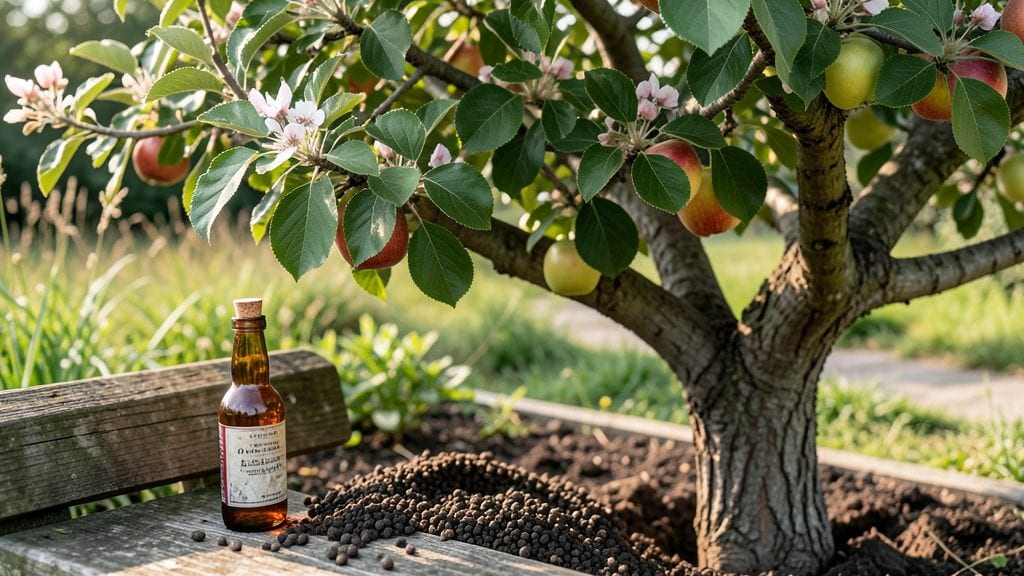
Apple cider vinegar in gardening serves as a natural fertilizer, weed killer, and fungicide, while balancing soil acidity and deterring pests. Always dilute it to protect plants and soil health.
This household staple works its magic through acetic acid, which gently acidifies soil—ideal for acid-loving plants like blueberries or hydrangeas. 🌱 When diluted (1:1 with water), it also disrupts fungal spores and deters soft-bodied pests like aphids by altering their chemical environment.
The key is consistency: apply sprays in early morning to avoid leaf burn, and monitor soil pH before reapplying to prevent over-acidification.
For best results, I recommend using raw, unfiltered apple cider vinegar with the "mother" for maximum microbial benefits. Always spot-test on a small plant area first, especially with delicate varieties. This versatile gardening helper cuts down on synthetic chemicals while keeping your garden thriving naturally.
💡 In This Article
- How Apple Cider Vinegar Affects Soil pH and Plant Health
- DIY Apple Cider Vinegar Sprays for Pests and Fungus
How apple cider vinegar affects soil pH and plant health
Apple cider vinegar (ACV) works its magic in gardens primarily through its acetic acid content—about 4-6% by volume in raw varieties—which acts as a weak organic acid.
When applied to soil, this acidity temporarily lowers the pH, creating an environment ideal for acid-loving plants like blueberries (pH 4.5-5.0) or azaleas (pH 5.0-6.0).
The acetic acid dissociates in water, releasing hydrogen ions (H+) that react with alkaline minerals in the soil, like calcium carbonate, to form soluble compounds that leach away over time.
The pH shift isn't permanent—it typically lasts 2-4 weeks depending on soil composition—but it's enough to unlock nutrients like iron, manganese, and phosphorus that become unavailable in alkaline conditions.
For example, in pH 7.5 soil (neutral to alkaline), plants may suffer from iron chlorosis (yellowing leaves) because iron binds tightly to soil particles. ACV's acidity helps release these nutrients, making them accessible to roots.
This is why gardeners often see a visible improvement in plant vigor within 10-14 days after application.
Beyond pH adjustment, ACV stimulates microbial activity in the soil. The acetic acid acts as a mild antimicrobial agent, temporarily suppressing harmful pathogens like Phytophthora (root rot) while encouraging beneficial bacteria and fungi. These microbes then break down organic matter more efficiently, creating a richer soil structure.
Studies show that ACV applications can increase microbial biomass by up to 30% in the short term, though overuse can disrupt this balance by creating an overly acidic environment.
For root growth, the story gets even more interesting. ACV's acetic acid triggers a mild stress response in plants, prompting them to produce more auxins—natural growth hormones that encourage root elongation. This is why many gardeners notice stronger root systems in acid-loving plants after ACV treatments.
However, the effect is dose-dependent: concentrations above 1:3 dilution (vinegar to water) can damage roots and inhibit growth, so precision matters.
Here's what to watch for when adjusting soil pH with ACV:
- Test first: Use a soil pH test kit before applying—ideal pH ranges vary by plant (e.g., 6.0-7.0 for most vegetables vs. 4.5-5.5 for blueberries).
- Dilution is critical: Never use undiluted ACV; even raw vinegar should be mixed 1:1 to 1:3 with water for soil applications.
- Frequency matters: Reapply every 4-6 weeks for maintenance, but monitor plants for signs of stress (yellowing leaves, stunted growth).
The real magic happens when you combine ACV with other organic amendments like peat moss or sulfur for long-term pH adjustment. For instance, mixing 1 cup ACV with 2 cups water and applying it to 10 square feet of soil can lower pH by 0.5-1.0 points in a single application.
Pair this with a 2-inch layer of pine needles (which decompose into acidic humus) for sustained results.
What most gardeners don't realize is that ACV's benefits extend to the plant's immune system. The mild acidity triggers defensive responses, making plants more resilient to future stress—whether from pests, disease, or environmental fluctuations. Think of it as a natural "vaccination" for your garden. 🌿