Vegetables
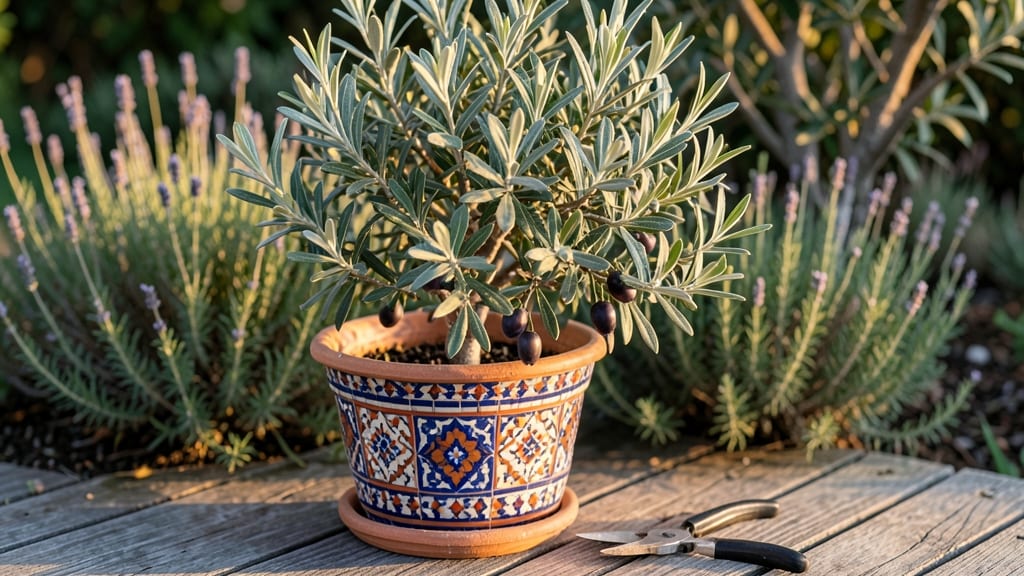
The Gardens of Marrakech showcase a stunning fusion of Mediterranean greenery and Moroccan design, where hidden courtyards like Majorelle’s secret garden contrast with fragrant citrus groves and intricate Islamic-inspired fountains. Beyond the famous spots, lesser-known havens like Menara’s sunset vistas or Jardin Secret’s shaded trails reveal how indigenous plants thrive in arid landscapes.
The Gardens of Marrakech prove that lush landscapes can flourish in desert climates through clever water management and native plant selection. 🌿 Many gardens use ancient techniques like underground cisterns and reflective pools to conserve moisture while creating serene microclimates.
The interplay of Islamic geometry isn't just decorative—it optimizes water flow and shade patterns to protect delicate flora from the harsh sun.
What makes these gardens truly magical is their ability to transport visitors to different eras. The fragrant orange groves at Majorelle evoke medieval trade routes, while the geometric tilework in hidden courtyards reflects centuries of Islamic artistry. These spaces aren't just botanical wonders—they're living museums of Moroccan culture and ingenuity.
💡 In This Article
- How Marrakech Gardens Defy Desert Climate
- Hidden Marrakech Garden Tours Beyond Majorelle
How Marrakech gardens defy desert climate
Marrakech's gardens thrive in the desert through a brilliant combination of ancient water engineering and botanical science. The key innovation is the qanat system, underground channels that slowly deliver water from distant mountain sources, reducing evaporation by up to 90% compared to surface irrigation.
These systems, some over 1,000 years old, create consistent moisture levels that allow non-native Mediterranean plants to flourish in what would otherwise be a 100°F+ dry climate.
The gardens also employ reflective water features that serve dual purposes: they create cooling microclimates through evaporation while their geometric designs channel wind patterns to prevent heat buildup.
At Jardin Majorelle, for example, the 12-sided fountain not only provides visual symmetry but also directs airflow across plant beds, maintaining temperatures 10-15°F cooler than surrounding areas. This Islamic-inspired geometry isn't just aesthetic—it's a hydrodynamic solution that maximizes every precious drop of water.
Plant selection plays an equally crucial role. Gardeners prioritize species like arid-adapted citrus varieties and drought-resistant lavender that can survive with minimal irrigation while still producing fragrant blooms.
The orange groves at Menara Garden, for instance, use a grafting technique that creates root systems capable of extracting moisture from 6 feet below ground, where underground springs persist even during droughts. This combination of engineering and botany transforms what would be a barren landscape into vibrant green spaces.
What's particularly fascinating is how these gardens use thermal mass through strategic stone placement. The thick marble walls and tiled pathways absorb heat during the day and release it slowly at night, creating a 24-hour temperature buffer that protects delicate plants.
At Jardin Secret, you'll notice how the shaded pergolas aren't just decorative—they're positioned to cast moving shadows that follow the sun's arc, maintaining consistent light levels while preventing leaf scorch.
The result is a perfect balance between human ingenuity and natural adaptation. These gardens prove that with the right techniques, even the most arid environments can support lush vegetation. The secret lies in understanding how to work with—not against—the desert's natural rhythms. 💫
What most visitors don't realize is that the water conservation extends beyond the plants. Many gardens use recycled graywater systems where fountain water is filtered and reused for irrigation, while the geometric designs actually help purify water through natural sedimentation.
This holistic approach ensures that every element serves multiple purposes, from aesthetic beauty to environmental sustainability.