Pests
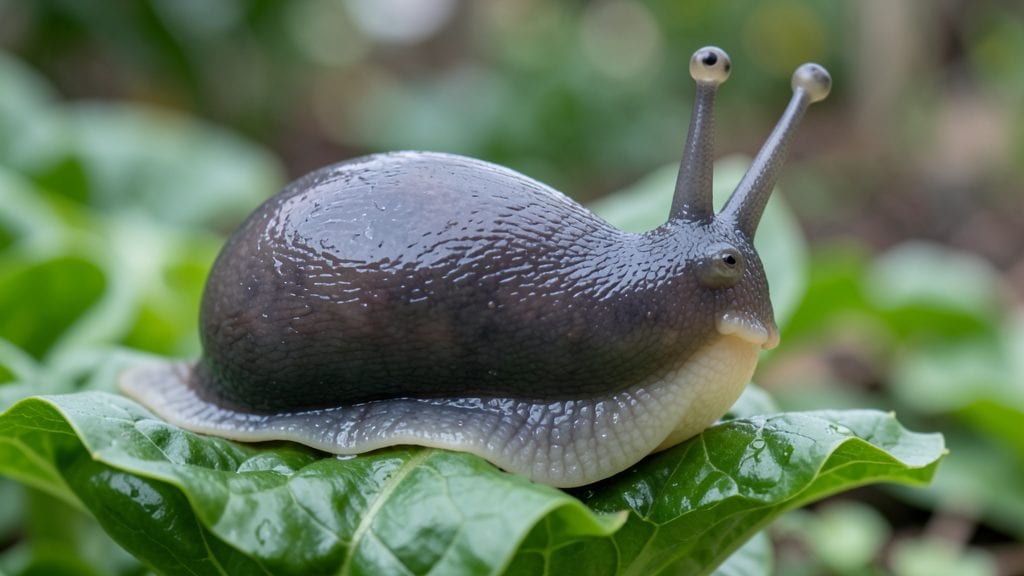
Giant garden slugs are the sneaky saboteurs of every lush garden bed. 🐌 I’ve watched them turn overnight from delicate seedlings to skeletonized stems, and I’m here to share the barriers that actually stop them—without harsh chemicals.
The key lies in physical defenses that slugs can’t climb, crawl over, or squeeze through.
These barriers work because slugs avoid rough textures and dry conditions. Copper tape, crushed eggshells, and diatomaceous earth create a no-go zone they’ll bypass. My favorite setup?
A 3-inch-wide band of coarse sand around pots—slugs hesitate at the gritty edge. It’s not about killing them (though that works too), but outsmarting their slimy paths.
By morning, your plants stay intact while slugs detour elsewhere. The barriers last 2-4 weeks before needing refresh, and they won’t harm worms or bees. You’ll notice the difference in just a few nights—no more wilted leaves or ragged petals. Here’s how to set them up right.
Works for vegetables, flowers, and even houseplants on porches. The same principles apply whether you’re dealing with a few stragglers or a full-blown invasion. Let’s get those plants protected.
Why Slugs Invade Gardens
Giant garden slugs may seem like harmless, slimy creatures, but their presence can turn a thriving garden into a chewed-up mess overnight. Understanding why these pests show up in your yard is the first step to keeping them at bay.
Let’s break down the key factors that turn your garden into a slug buffet.
Slugs thrive in damp, humid conditions because their soft, permeable bodies lose moisture quickly. Without enough hydration, they dry out and die. Here’s why your garden becomes their perfect retreat:
- Rainy or Overwatered Soil 💦 Slugs are drawn to areas where the ground stays consistently moist. Heavy rainfall or overwatering creates ideal conditions for them to lay eggs and forage. A simple test: If your soil feels damp 2–3 inches below the surface, slugs will likely take advantage.
- Shady, Humid Microclimates Slugs avoid direct sunlight, which dries them out. Gardens with dense plant cover, mulch, or shaded spots (like under decks or large plants) become their hideouts. Pro tip: Trim back thick foliage and remove debris to reduce hiding spots.
- Morning Dew & Nighttime Dampness Slugs are most active at night and in the early morning when dew lingers. If your garden stays damp for long periods, they’ll linger longer, increasing damage. Actionable fix: Water in the early morning so soil dries by evening.
Slugs aren’t picky eaters, but they have clear preferences that determine where they’ll gather in your garden. If your plants match their menu, expect a visit:
- Tender, Young Plants & Leaves Slugs love soft, succulent vegetation, especially:
- Leafy greens (lettuce, spinach, kale)
- Hostas, ferns, and asters
- Newly planted seedlings or cuttings Why? Their enzymes break down plant cell walls easily, making these plants a high-calorie snack.
- Decaying Organic Matter Compost piles, rotting wood, and fallen leaves provide both food and shelter. Slugs will munch on decomposing material and use it as a nursery for their eggs. Pro tip: Keep compost bins sealed and remove leaf litter regularly.
- Fruits & Vegetables on the Ground Overripe or fallen produce (like tomatoes, berries, or melons) attracts slugs. They’ll crawl over healthy plants to reach these easy meals. Actionable fix: Harvest crops promptly and pick up fallen fruit immediately.
In a balanced ecosystem, predators like birds, frogs, ground beetles, and hedgehogs keep slug populations in check. But if these predators are missing, slugs multiply unchecked:
- Urban & Suburban Gardens Many natural predators avoid heavily treated lawns or gardens with pesticides. Solution: Create a predator-friendly zone with:
- A small pond (for frogs and dragonflies)
- Log piles or dense ground cover (for beetles and spiders)
- Avoiding broad-spectrum pesticides that harm beneficial insects.
- Monoculture Plantings Gardens with only one type of plant (like a single row of lettuce) offer slugs an all-you-can-eat buffet with no predators in sight. Fix: Plant diverse, native species to attract a wider range of wildlife.
- Nighttime Activity Many predators are nocturnal, but artificial lights (like porch lights) can disorient them, leaving slugs free to roam. Pro tip: Use motion-sensor or warm-toned lights to minimize disruption.
Now that you know why slugs invade, the next step is to disrupt their comfort zone with smart, natural barriers. Stay tuned for our top-rated solutions!
Natural Ways to Outsmart Slugs
Now that you understand why these slimy invaders are feasting on your garden, it’s time to take action! The good news? You don’t need harsh chemicals to keep them at bay.
With a mix of physical barriers, organic repellents, and smart landscaping, you can protect your plants while keeping your garden thriving. Below, we’ve mapped out practical, slug-proof solutions based on the root causes of your slug problem—plus prevention tips to keep them from returning.
Slugs thrive in damp, sheltered spots, so cutting off their access is the first line of defense.
🔥 Copper Tape or Wire (Electric Shock!) Slugs hate copper—it gives them a mild electric shock when they crawl over it.
This isn’t harmful to them (or you), but it’s enough to deter them. - How to use it: Bend copper tape or wire into a low border around pots, raised beds, or vulnerable plants.
Secure it with stakes or bend it into a slight curve for extra effectiveness. - Pro tip: 💡 Combine copper with a moat of diatomaceous earth (see below) for double protection.
🍳 Moats and Trenches (The Slug-Proof Ditch) Slugs can’t climb smooth, vertical surfaces.
Dig a 1-inch-wide trench around plants and fill it with: - Sand or gravel (too coarse for them to cross) - Crushed eggshells (sharp edges deter crawling) - Diatomaceous earth (DE) (a natural, non-toxic powder that dehydrates slugs—wear a mask when applying!) - Wood ash (creates an alkaline barrier they avoid)
⚠️ Warning: Keep DE and ash away from pets and kids—it’s safe but can irritate lungs if inhaled.
👨🍳 Coffee Grounds & Sharp Edges
Slugs avoid abrasive textures. Sprinkle:
- Used coffee grounds (caffeine is a natural repellent)
- Crushed eggshells (homemade, sharp, and free!)
- Horticultural grit (available at garden centers)
🌡️ Best for: Areas where slugs enter (e.g., under pots, near mulch piles).
If slugs can’t reach your plants, they’ll move on. Use these non-toxic sprays and traps to send them packing.
🔪 Beer Traps (The Classic Slug Snare) Slugs are drawn to beer—they crawl in and drown. It’s gross but effective! - How to set it up: Bury a shallow container (like a yogurt cup) filled with beer so the rim is level with the soil.
Replace every few days. - Bonus: Works best in moist, shaded areas where slugs gather at night.
🥘 Garlic & Chili Spray (Hot Pepper Deterrent)
A homemade spray with garlic and chili peppers makes your plants taste terrible to slugs.
- Recipe:
- Blend 3 garlic cloves + 1 tbsp cayenne pepper + 1 liter water.
- Strain, add a drop of dish soap (as a sticking agent), and spray on leaves and soil.
- Reapply: Every 5–7 days or after rain.
🌿 Plant Sacrifices (The Decoy Strategy)
Slugs love lettuce, hostas, and marigolds. Plant these away from your prized flowers to lure them into a trap.
- Best sacrificial plants:
- Lettuce (their favorite!)
- Calendula (edible and slug-magnet)
- Basil (slugs avoid it—plant near tomatoes for protection)
The best defense is a slug-resistant garden design. Adjust your landscaping to make your space less inviting for these pests.
✨ Water Wisely (Dry = Less Slugs)
- Avoid overhead watering (keeps soil damp—slugs love it!).
- Water in the morning so soil dries faster.
- Use drip irrigation to keep mulch and leaf litter dry.
🎯 Choose Slug-Resistant Plants
Not all plants are slug magnets. Opt for: ✅ Drought-tolerant plants (lavender, rosemary, thyme) ✅ Tough-skinned veggies (kale, Swiss chard, peppers—slugs struggle to eat them) ✅ Aromatic herbs (mint, sage, oregano—slugs hate the smell!)
💡 Mulch Smartly
- Avoid thick mulch piles (slugs hide underneath).
- Use straw or pine needles instead of wood chips (less moisture retention).
- Keep mulch 2–3 inches away from plant stems to reduce hiding spots.
🌙 Night Patrols (Hand-Picking Works!)
- Go out at dusk (when slugs are most active) with a flashlight and a bucket of soapy water.
- Gently scoop them up and release them far from your garden (they’ll likely die of dehydration).
- Best for: Small gardens or when you spot a sudden slug outbreak.
- ❌ Salt or saltwater – Harmful to soil and beneficial insects.
- ❌ Overwatering – Slugs thrive in soggy conditions.
- ❌ Ignoring hiding spots – Piles of boards, rocks, or dense foliage give them shelter.
- ❌ Skipping copper or DE in high-risk areas – If slugs have easy access, they’ll keep coming back.
By combining barriers, repellents, and smart gardening habits, you can drastically reduce slug damage without chemicals. Start with one or two methods, monitor their effectiveness, and adjust as needed. Soon, your garden will be slug-free and flourishing—just the way it should be! 🚀
Frequently asked questions
How can I tell if my garden has giant garden slugs?
Look for silver slime trails on leaves or soil at dawn—these are their calling cards! Giant garden slugs are 3-6 inches long with smooth, shiny bodies. Check under boards, rocks, or dense mulch where they hide during the day. Their feeding patterns (ragged holes in leaves) also give them away.
Are giant garden slugs harmful to my plants?
Absolutely—these slugs are plant devourers! They target young seedlings, lettuce, hostas, and tender stems, leaving behind skeletonized leaves. A single slug can eat half its body weight in one night. Their saliva also contains enzymes that prevent plants from healing, causing long-term damage.
Will copper tape really stop giant garden slugs?
Yes! Copper creates a mild electric shock that slugs dislike. For best results, bend it into a slight curve around pots or beds. Combine it with a 1-inch-wide barrier of diatomaceous earth for double protection. Replace copper tape every 1-2 years as it oxidizes and loses effectiveness.
Can I use beer traps for giant garden slugs?
Beer traps work, but they’re not selective—they’ll catch any slugs, including beneficial ones. Use shallow containers (like yogurt cups) buried flush with soil, filled with beer or yeast water**. Replace every 3-4 days. Place them in shady, moist areas where slugs gather at night.
How long do natural slug barriers last?
Most barriers need refreshing every 2-4 weeks or after heavy rain. Diatomaceous earth loses potency when wet, while crushed eggshells break down. Copper tape lasts longer (1-2 years) but may need tightening. Check barriers after rainstorms to maintain effectiveness.