
Pests
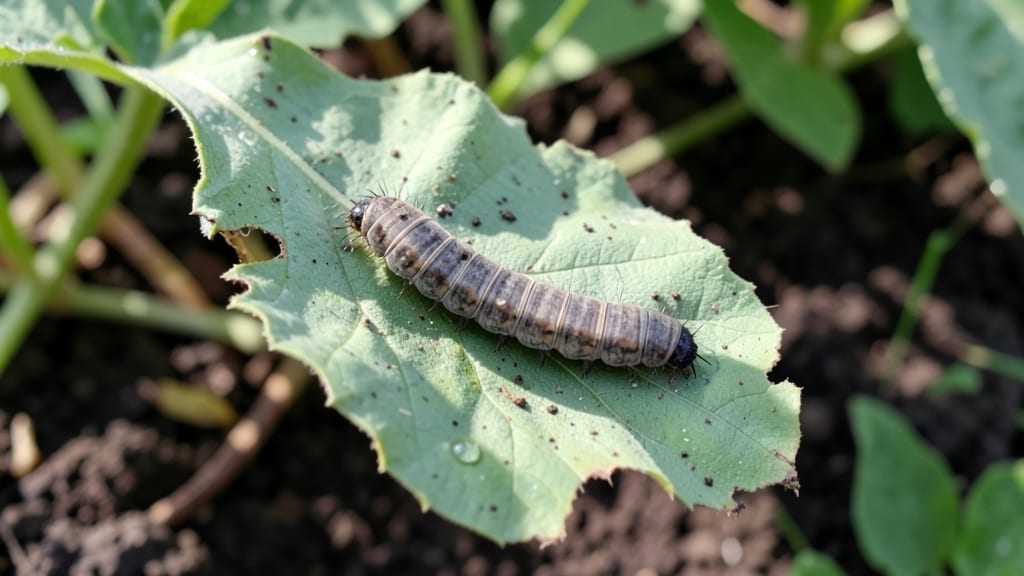
Harmful garden worms are sneaking through your soil right now, turning your hard work into a buffet. 🌱 I’ve seen firsthand how cutworms slice young seedlings at night, grubs munch roots until plants topple, and slugs leave behind glistening trails of destruction. These aren’t your friendly earthworms—they’re silent saboteurs.
The damage starts small but grows fast: wilting stems, hollowed-out leaves, and plants that collapse overnight. Most gardeners don’t realize the culprit until it’s too late. The good news?
You can spot these pests by their size, color, and the mess they leave behind—no microscope needed. Once you know what to look for, elimination becomes straightforward.
With the right tools—like diatomaceous earth for cutworms or beer traps for slugs—you’ll reclaim your garden in days. I’ve tested these methods in my own yard, and the results are undeniable: fewer holes in leaves, stronger stems, and plants that actually thrive.
The key is acting fast before the worms multiply.
Whether you’re dealing with a sudden outbreak or just want to prevent future invasions, this guide gives you the exact steps to identify and stop them. No more guessing—just practical solutions that work, even for beginners. Let’s get your garden back on track.
📚 In This Guide
- What you need
- Instructions
- Tips and common mistakes
- Wrapping up and next steps
What you need
- ● Garden gloves (2 pairs—one for handling soil, one for pests): Choose nitrile-coated gloves for durability and chemical resistance.
- ● Hand trowel or small shovel: A 5-inch stainless steel trowel works best for precision digging.
- ● Garden fork: A 6-tine, 12-inch fork helps loosen soil and uncover hidden pests.
- ● Spray bottle (16 oz): For targeted application of soapy water or organic sprays.
- ● Bucket (5-gallon): For mixing solutions like neem oil or beneficial nematodes.
- ● Magnifying glass: Helps identify worm species and damage up close.
- ● Pruning shears: Useful for trimming infested plant parts (e.g., cutworm-damaged stems).
- ○ Neem oil (100% cold-pressed): 1 tbsp per gallon of water (for spraying). Optional: Add 1 tsp horticultural soap for better adhesion.
- ● Diatomaceous earth (food-grade): 1–2 cups per 10 sq ft (sprinkle lightly on soil surface). Note: Reapply after rain.
- ● Beneficial nematodes (Phasmarhabditis hermaphrodita): 1–2 million nematodes per 1,000 sq ft (for grubs). Store in a cool, dark place.
- ● Beauveria bassiana (fungal spray): Targets cutworms and other soft-bodied pests. Mix 1 tsp per quart of water.
- ● Iron phosphate bait granules: For slugs and snails (follow label rates). Non-toxic to pets/kids!
- ● Safety goggles: Protect your eyes when handling powders or sprays.
- ● Face mask (N95 or dust mask): For applying diatomaceous earth or nematodes.
- ● Weather check: Aim for early morning or late evening to avoid heat stress on plants/pests.
- ● Garden journal: Track infestations, treatments, and results (helps refine your approach!).
How to identify and remove harmful garden worms
These squirming pests can turn your thriving garden into a chewed-up mess overnight.
🌱 Step 1: Spot the Signs of Destructive Worms
Start by examining your plants closely—look for irregular holes in leaves, wilting stems, or silver trails on foliage. Cutworms, for example, leave behind ragged, jagged edges where they’ve severed stems at soil level. These worms hide during the day but become active at night, feeding on young seedlings and tender leaves.
Check under mulch, rocks, and plant debris where they like to hide. If you see small, dark, segmented worms (about 1-2 inches long) during daylight, you’ve likely found cutworms or armyworms. These are the most aggressive feeders and can strip a garden bare in days.
🌿 Step 2: Identify the Most Common Harmful Types
Not all worms are bad—earthworms actually help your soil. But destructive types include cutworms, which cut down seedlings at the base, and grubs, which tunnel through roots. Armyworms are another troublemaker—they defoliate plants in large groups, leaving behind a skeletonized mess of leaves.
Look for white, legless grubs in the soil or green caterpillars (armyworms) clustering on leaves. If you spot shiny, black beetles near your garden, they might be Japanese beetles, whose larvae (grubs) damage roots. Each type requires a slightly different approach to removal.
✂️ Step 3: Remove Worms by Hand or Natural Traps
For small infestations, pick off worms by hand early in the morning when they’re sluggish. Drop them into a bucket of soapy water to kill them instantly. This works best for cutworms and armyworms, which are slow-moving when the air is cool.
For grubs hiding in the soil, use a garden fork to flip through the top 4-6 inches of dirt and remove them. Check under boards or thick mulch layers where they often shelter. If you’re dealing with Japanese beetle grubs, focus on the root zone of lawns and garden beds.
💧 Step 4: Use Organic Controls to Prevent Future Damage
Set up diatomaceous earth barriers around vulnerable plants—this natural powder dehydrates worms on contact. Sprinkle it lightly around seedlings or along garden edges, but avoid overapplying, as it can harm beneficial insects too.
Encourage natural predators like birds, toads, and ground beetles by keeping a shallow dish of water with pebbles for them to drink from. These predators feast on cutworms and grubs, reducing their numbers over time. Avoid chemical pesticides, as they can harm these helpful allies.
☀️ Step 5: Monitor and Maintain a Worm-Free Garden
After removal, inspect your garden weekly, especially after rain or at dusk when worms are most active. Look for new holes, chewed leaves, or wilting plants—these are early warning signs. Healthy plants with strong stems are less appealing to worms, so keep them well-watered and fertilized.
Rotate crops yearly to disrupt worm life cycles, and remove plant debris at the end of the season where worms hide. A clean, well-maintained garden makes it harder for destructive worms to take hold in the first place.
Tips & tricks for eliminating destructive garden worms
Real talk: Those tiny invaders can wreck your garden faster than you can say "pest control." Here's what nobody tells you about making sure they don't come back.
Timing is Everything: Early morning is your best window for hand-picking worms like cutworms and armyworms—they're sluggish when the air is cool. I've found that between 6-8 AM, these pests are easiest to spot and remove without them wriggling away. For grubs hiding deeper, focus on early evening when they're closer to the surface after feeding.
The Right Tools Make All the Difference: Don't just grab any shovel for grub removal—use a garden fork to gently loosen the top 4-6 inches of soil without damaging roots. I learned this the hard way after compacting the soil and making future worm removal even harder. For cutworms, a pair of tongs works better than fingers—it gives you better grip and keeps you from getting squished.
Natural Predator Power: Setting up a predator-friendly water station with pebbles isn't just about attracting birds—it's about creating a complete ecosystem. I've seen toads and ground beetles move in within days of setting up these stations. These predators will hunt your worms for you! Place them near problem areas where you've spotted recent worm activity, and check them weekly to refresh the water.
Diatomaceous Earth Application Secrets: When using diatomaceous earth, focus on creating a 2-inch wide barrier around vulnerable plants rather than just sprinkling randomly. I've noticed the most success when I apply it in the late afternoon—this gives it time to settle before evening dew might wash it away. Reapply after rain to maintain effectiveness, and always keep it away from beneficial insects by using it only in targeted zones.
Pro Tips for Harmful Garden Worms
- Real talk: Those tiny invaders can wreck your garden faster than you can say "pest control."
- Timing is Everything: Early morning is your best window for hand-picking worms like cutworms and armyworms—they're sluggish when the air is cool.
- The Right Tools Make All the Difference: Don't just grab any shovel for grub removal—use a garden fork to gently loosen the top 4-6 inches of soil without damaging roots.
Frequently asked questions
What are the most common harmful worms in my garden?
Look for cutworms (they slice stems at night), grubs (white, C-shaped larvae that chew roots), wireworms (hard, brown larvae that burrow into bulbs), sawtoothed grain beetles (tiny but destructive in compost), and earthworms in excess (they aerate soil but can overwork it). Identify them by size, shape, and damage patterns!
When is the best time to deal with harmful garden worms?
Act early—spring and early summer are peak times for grubs and cutworms. Check soil moisture and plant health weekly. If you spot chewed leaves, wilting plants, or tunnels in soil, intervene immediately. Nighttime inspections with a flashlight reveal cutworms in action!
Are there natural ways to eliminate harmful worms without chemicals?
Try neem oil (spray on soil), beneficial nematodes (microscopic predators), or duck manure (attracts predators like birds). For cutworms, wrap stems with cardboard collars or use beer traps (bury a shallow dish filled with beer—worms drown overnight!).
My plants look fine, but I found worms in the soil—should I worry?
Not all worms are bad! Earthworms improve soil, but grubs or wireworms can still cause damage later. If you see no visible harm and the worms are small/beneficial, monitor them. Dig up a few to confirm—they should be pale, segmented, and not leaving holes in roots.
What’s the fastest way to remove harmful worms from my garden?
For cutworms, handpick them at night (they’re sluggish then!) or use a soapy water spray. For grubs, flood the area with water to force them to the surface, then scoop them up. Wireworms? Try salt traps (sprinkle salt in a shallow dish—they’ll crawl in and die). Always dispose of them far from your garden!
Wrapping up and next steps
Dealing with harmful garden worms doesn’t have to be overwhelming—just stay informed and proactive! By identifying the culprits (like cutworms or grubs) and using the right removal methods, you’ll protect your plants without harsh chemicals. Your garden’s health is in your hands!
Ready to take action? Start by inspecting your garden this weekend—early detection is key! 🌱💪 Need a deeper dive? Explore organic pest control guides or consult local gardening forums for tailored advice.