How To
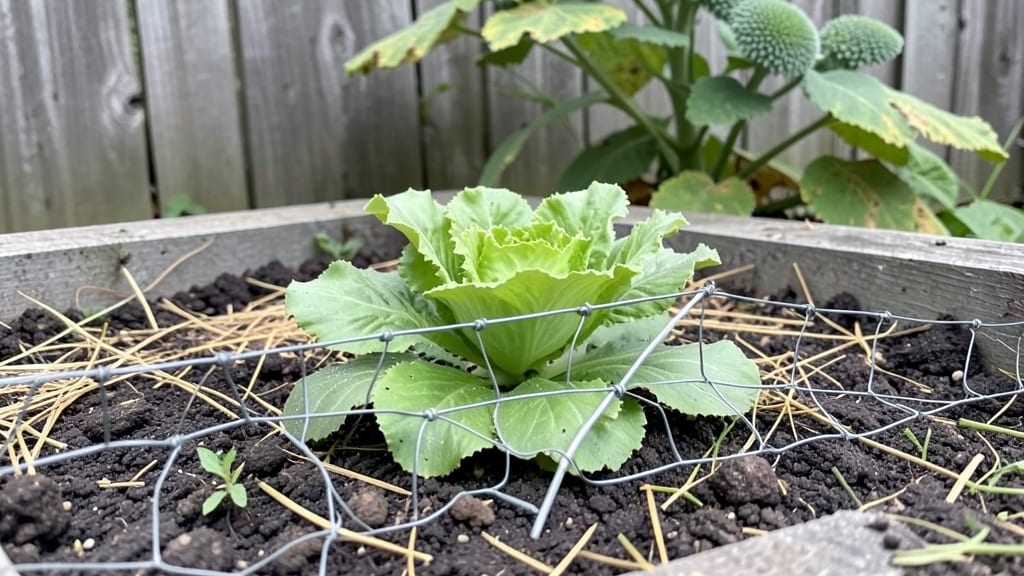
Learn how to protect your raised garden beds from animals without sacrificing beauty—start with these fortress-worthy tricks. 🌱 The key isn’t just one fence or spray, but combining physical blocks, taste deterrents, and smart plant choices to outsmart diggers before they strike. they even notice your soil.
Start with hardware cloth buried 6 inches deep around the perimeter—rabbits and moles can’t dig through it, and it lasts years. Add a 12-inch tall chicken wire extension above ground to stop jumping deer or curious raccoons.
For smaller pests like voles, fill gaps with crushed gravel or wire mesh—they hate the texture and give up.
You’ll see the difference in 2-3 weeks: no more uprooted seedlings, no vanished carrots overnight, and plants that grow stronger because they’re not constantly under siege. Even my neighbor’s possum gave up after the first failed attempt at tunneling through the gravel barrier.
This works for vegetables, herbs, and flowers alike, and scales from a 4x8-foot bed to a full backyard. The upfront effort saves your harvest—and your sanity—every season. Let’s build that barrier system step by step.
📚 In This Guide
- What you need
- Instructions
- Tips and common mistakes
- Wrapping up and next steps
What you need
- ● Hardware cloth or wire mesh: 1/4-inch (6mm) or smaller mesh size (to block rodents and burrowing animals).
- ● Minimum 4 feet tall (or taller if your beds are deep).
- ● Width: Enough to wrap around your bed’s perimeter plus 12+ inches for overlap.
- ● Staple gun + staples: Heavy-duty, 1/4-inch or 6mm staples (galvanized or stainless steel to resist rust).
- ● Bending pliers or wire cutters: For shaping mesh around corners or edges.
- ● Garden staples or U-shaped pins: 2-inch galvanized staples to secure mesh to bed frames.
- ○ Landscape fabric or burlap: Optional but helpful for covering the outside of the mesh to deter chewing.
- ○ Wooden stakes or rebar: Optional for anchoring mesh to the ground (if burrowing is a concern).
- ○ Outdoor-rated zip ties or wire: Optional for extra reinforcement at seams.
- ● Chicken wire or flexible mesh: For temporary protection (e.g., during planting season).
- ● Motion-activated sprinklers: Deters larger pests like deer or rabbits with a surprise spray!
- ● Compost or mulch: Pile 6+ inches deep around the outside of the mesh to discourage digging.
- ● Predator urine (e.g., fox or coyote): Non-toxic deterrent for dogs or cats.
Step-by-Step instructions for protecting raised garden beds from animals
Here's how to create a multi-layered defense that keeps raccoons, rabbits, and rodents from turning your raised beds into their salad bar.
🪴 Step 1: Install a Sturdy Base Barrier
Start by attaching hardware cloth (with ¼-inch mesh or smaller) to the underside of your raised bed frame. Use staple guns to secure it tightly—animals can squeeze through gaps as small as ½ inch. I like to fold the edges inward at the corners to eliminate any potential entry points. This stops burrowing critters from chewing through from below.
For beds on the ground, bury 12 inches of hardware cloth around the perimeter, extending it 6 inches outward from the bed edges. This creates an underground barrier that even persistent diggers can't bypass. If your bed is already built, dig a trench along the outside edge, lay the cloth flat, then backfill with soil.
🌱 Step 2: Create an Above-Ground Perimeter Defense
Wrap the entire exterior of the raised bed with chicken wire or heavier gauge hardware cloth, securing it with zip ties or heavy-duty staples. Leave no gaps—even a 2-inch opening is enough for a determined raccoon. For extra security, I double-wrap the wire around the corners and reinforce them with galvanized wire ties. This prevents climbing animals from reaching the soil surface.
If your bed has removable sides, install the wire as a freestanding cage around the bed instead. The key is to make sure the wire is tightly stretched—sagging creates weak spots where animals can push through. Test it by gently pressing on the wire; if it bends easily, tighten it further.
✂️ Step 3: Add a Top Barrier for Aerial Threats
For plants that grow tall (like pole beans or trellised tomatoes), install a removable wire mesh roof supported by PVC pipes or sturdy stakes. Use ½-inch mesh to allow airflow while blocking birds and squirrels. Secure the roof with bungee cords or zip ties so you can lift it during harvests. I like to angle the roof slightly to shed rainwater and prevent mold buildup.
For smaller beds, a floating row cover (made of lightweight fabric) works well. Drape it loosely over the bed and secure the edges with bricks or clips—this allows sunlight and water through while keeping out rabbits and deer. Just remember to remove it during flowering if you want pollinators to do their job.
💧 Step 4: Implement Motion-Deterrent Strategies
Place reflective tape or old CDs around the bed's perimeter—they create flashes of light that confuse animals. I also sprinkle coarse sand or diatomaceous earth along the top edge; the gritty texture deters digging. For persistent problems, install motion-activated sprinklers (set to 3-5 second bursts)—the sudden water spray startles animals away without harming plants.
Combine these with natural repellents like crushed red pepper flakes or predator urine (available at garden centers). Reapply after rain or every 2-3 weeks for continuous protection. The key is layering—no single method works perfectly alone, but together they create an almost impenetrable defense.
⏰ Step 5: Maintain and Monitor Regularly
Check your barriers weekly for gaps, rust, or damage—animals will exploit even small weaknesses. Replace any torn or bent sections immediately. I also rotate repellent strategies seasonally to prevent animals from becoming accustomed to one method. For example, switch from pepper spray to predator urine every 4-6 weeks to keep them guessing.
Pay special attention after heavy rains or storms—wire can sag or shift when wet. If you notice fresh dig marks, reinforce the weak spots immediately. A little proactive maintenance saves you from losing an entire season's harvest to hungry visitors.
Tips & tricks for perfect animal-proof raised garden beds
A few strategic upgrades can turn your basic raised bed into an animal fortress. Here's what I've learned after years of trial and error with raccoons, rabbits, and determined rodents.
Mesh Size Matters: In Step 1, when installing hardware cloth, remember that raccoons can squeeze through gaps as small as 1/4 inch, while rabbits need at least 1/2 inch to slip through. For maximum security, use 1/4-inch mesh everywhere—even if it means paying extra for the finer grade. I've seen raccoons get stuck in 1/2-inch holes trying to reach my lettuce! The extra cost is worth protecting your entire harvest.
Corner Reinforcement: The corners of your raised bed are the most vulnerable points where animals can pry up barriers. In Step 2, when wrapping the exterior with chicken wire, go the extra mile and use galvanized wire ties to create a double-wrap at all four corners. This creates an almost impenetrable barrier that even determined raccoons can't pry open. Think of it as the security deadbolt of your garden defense system.
Roof Ventilation Strategy: For Step 3's removable wire mesh roof, I've found that angling it slightly (about 5-10 degrees) helps shed rainwater while maintaining airflow. The key is to position the roof so water runs off the sides rather than pooling. You can also add small ventilation holes near the top edges to prevent condensation buildup, which could lead to mold issues with your plants. This small adjustment makes a big difference in longevity.
Repellent Rotation: In Step 4, when implementing motion-deterrent strategies, I recommend creating a rotation schedule for your natural repellents. For example, use crushed red pepper flakes for 4 weeks, then switch to predator urine for another 4 weeks. Animals become accustomed to single repellents over time, so this rotation keeps them guessing. The 2-3 week reapplication rule still applies—just alternate between different types of repellents to maintain effectiveness.
Pro Tips for Protect Raised Garden Beds From Animals
- A few strategic upgrades can turn your basic raised bed into an animal fortress.
- Mesh Size Matters: In Step 1, when installing hardware cloth, remember that raccoons can squeeze through gaps as small as 1/4 inch, while rabbits need at least 1/2 inch to slip through.
- Corner Reinforcement: The corners of your raised bed are the most vulnerable points where animals can pry up barriers.
Frequently asked questions
Got questions about keeping critters out of your raised beds? You’re not alone! Here are answers to the most common concerns—so you can garden with confidence.
What’s the most effective animal deterrent for raised beds?
The best defense is a layered approach. Start with hardware cloth (buried at least 12 inches deep) to block burrowing animals like rabbits or gophers. Add a sturdy fence (at least 3 feet tall) for deer, and use repellents or motion-activated sprinklers for birds and squirrels. Consistency is key!
When should I install barriers to protect my garden?
Install barriers before planting season—ideally in late winter or early spring. If you’re retrofitting, do it as soon as possible to avoid damage. For perennials or established plants, add barriers in early spring to prevent new digging attempts. Pro tip: Check for gaps in fall before hibernating animals become a problem!
Are there affordable alternatives to hardware cloth?
Yes! If hardware cloth is too pricey, try:
- Chicken wire (temporary, but bendy—use for small pests like voles).
- Wire mesh fencing (1/2-inch or smaller holes for rabbits).
- Plastic plant guards (for individual plants, like young seedlings).
- DIY barriers like buried old pallets or bricks (less durable but works in a pinch).
How do I keep raccoons out of my raised beds?
Raccoons are sneaky climbers and diggers! Secure your beds with hardware cloth over the top (even if they’re not burrowing) and extend it outward slightly to block their paws. Remove easy snacks like pet food or fallen fruit nearby, and consider a motion-activated light—they hate surprises! For stubborn raccoons, a temporary wire cage over new plants can buy you time.
What if animals are already digging in my beds?
Don’t panic! First, remove any tunnels or damage and reinforce weak spots. Then, install barriers immediately—even if it’s mid-season. For burrowing pests, dig out tunnels and fill them with sharp gravel or broken glass (safely buried) to deter future digging. Add a decoy plant (like a sacrificial lettuce patch) to lure them away from your main crops.
Can I use natural repellents instead of physical barriers?
Natural repellents can help, but they’re usually best as a supplement to barriers. Try:
- Spraying hot pepper wax or garlic-based solutions on plants.
- Planting deterrent herbs like mint or marigolds around the perimeter.
- Using predator urine (fox or coyote) near the garden edges.
Wrapping up and next steps
Protecting your raised garden beds from critters doesn’t have to be a guessing game—with the right layered barriers, you’ll keep your hard work safe and thriving! 🌱 Whether you’re using hardware cloth, chicken wire, or natural deterrents like plants or mulch, consistency is key.
Start small, test what works in your space, and soon you’ll have a fortress for your veggies and flowers.
Now that you’re armed with strategies, take action this weekend! Pick one barrier method to implement first, then expand as needed. Happy gardening—your future harvest (and sanity) will thank you! 🎉