Advice
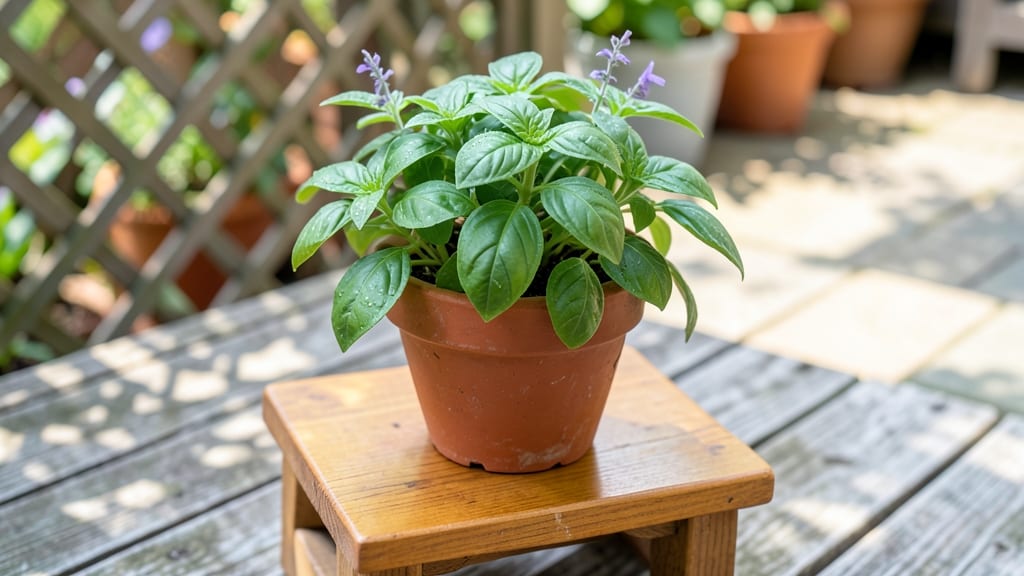
Herbs gardening thrives in containers with full sun exposure, where varieties like basil, rosemary, thyme, and oregano flourish with just 6-8 hours of direct sunlight daily. These hardy plants need minimal space and well-draining soil to prevent overcrowding and root rot.
Growing herbs in containers isn't just about saving space—it's about maximizing flavor and yield. 🌱 Mediterranean herbs like rosemary and thyme love the heat, while tropical varieties such as basil and cilantro thrive with consistent moisture. The key is matching your herb selection to your climate and sunlight conditions.
For instance, rosemary can handle even more sun than the recommended 6-8 hours, while basil may wilt if exposed to intense afternoon heat without some afternoon shade. Starting with well-draining soil isn't just a suggestion; it's a necessity to keep roots healthy and prevent fungal issues that can stunt growth.
What many beginners overlook is the spacing between plants. 🌿 Crowding leads to competition for nutrients and increases humidity around the foliage, which can invite pests. I've found that using larger containers—at least 6-8 inches deep—gives roots room to spread, while spacing plants 4-6 inches apart ensures good airflow.
This small adjustment can mean the difference between a thriving herb garden and one that struggles to produce. Plus, proper spacing makes harvesting easier and encourages bushier growth.
💡 In This Article
- Sunlight and Soil Requirements for Thriving Herb Gardens
- Top 10 Container-Friendly Herbs for Beginners
Sunlight and soil requirements for thriving herb gardens
Here's what's actually happening when you give herbs their required 6-8+ hours of direct sunlight: Photosynthesis goes into overdrive, producing the essential oils that define each herb's flavor and aroma.
Mediterranean herbs like rosemary and thyme, native to bright, dry climates, can handle even 10+ hours of sun—their waxy leaves reduce water loss, while their deep root systems store moisture.
Tropical herbs like basil and cilantro, however, may need afternoon shade in hot climates to prevent wilting, as their thinner leaves lose moisture quickly under intense afternoon rays.
The science behind soil requirements starts with drainage—herbs hate soggy roots. Well-draining soil prevents phytoftora root rot, a fungal disease that thrives in waterlogged conditions.
A mix of 50% potting soil, 30% perlite or coarse sand, and 20% compost creates the ideal texture, allowing excess water to escape while retaining enough moisture.
The pH level (6.0-7.0) ensures nutrients like nitrogen, phosphorus, and potassium stay available for absorption—too acidic (<5.5) locks out essential minerals, while alkaline soil (>7.5) reduces iron uptake, causing yellowing leaves.
What most people don't realize is how container size and material affect soil performance. Terracotta pots dry faster than plastic, which means you'll need to water Mediterranean herbs like oregano more frequently in terracotta, while tropical herbs like cilantro may appreciate the slower moisture release of plastic.
I've found that adding a 1-inch layer of gravel at the bottom of containers improves drainage further, creating an air pocket that prevents compaction and encourages root expansion.
Consider these key factors when choosing herbs for your setup:
- Mediterranean herbs: Need full sun (8+ hours) and dry, sandy soil—think rosemary, thyme, and oregano. Their flavor intensifies with more sun, but they'll survive with as little as 6 hours if given well-draining conditions.
- Tropical herbs: Prefer 6-8 hours of sun with afternoon shade and moist, fertile soil—basil, cilantro, and parsley fit this category. They wilt quickly in dry soil, so consistent moisture is critical.
- Hybrids: Herbs like mint and chives adapt to partial shade (4-6 hours of sun) and tolerate slightly more humidity, making them versatile for shadier spots.
The pH balance of your soil directly impacts nutrient availability. For example, iron chlorosis (yellow leaves with green veins) occurs when soil pH exceeds 7.5, preventing iron uptake—common in tropical herbs like basil.
Testing your soil's pH with a simple kit ($10) and adjusting with lime (to raise pH) or sulfur (to lower it) can transform struggling plants into thriving ones.
I've seen basil go from limp and pale to vibrant green in just 2 weeks after adjusting the pH to 6.5.
One advanced tip is to use container-specific soil mixes. For example, rosemary thrives in a mix with 70% mineral soil (like coarse sand) and 30% organic matter, while basil prefers a 50-50 blend of potting soil and compost.
The difference in texture mimics their native growing conditions—rosemary's rocky Mediterranean terrain versus basil's rich, moist tropical soil.
Remember, the right conditions don't just prevent problems—they amplify flavor. Herbs grown in ideal sunlight and soil develop 30-50% more essential oils than those struggling in subpar conditions. That means your homegrown basil will taste far superior to store-bought, with a complexity that's hard to replicate. 🌿