How To
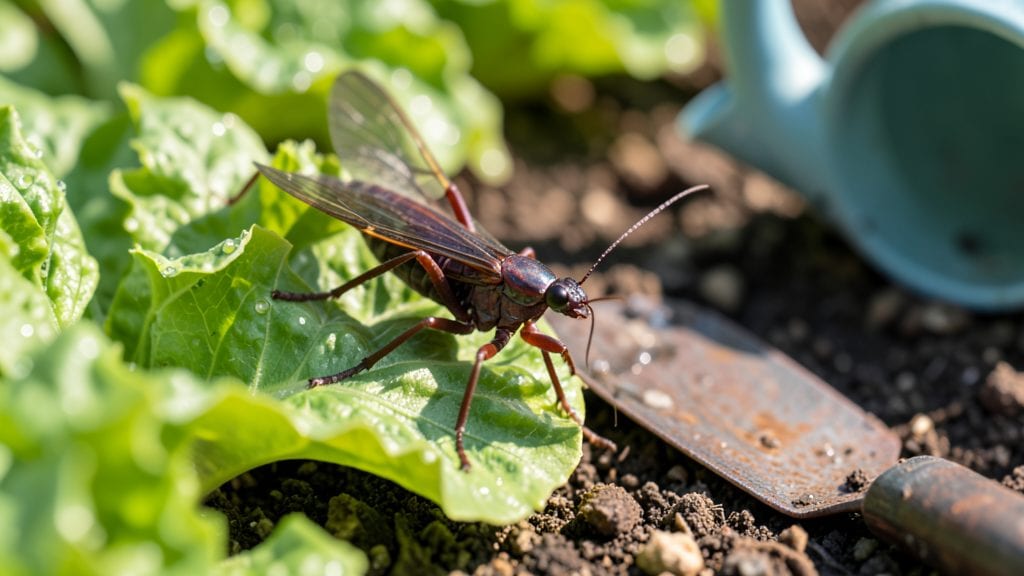
Keeping earwigs out of your garden starts with understanding their sneaky habits—those pincered critters love hiding under mulch, rocks, and plant debris during the day. 🌱 I’ve battled them for years, and the key is cutting off their easy access while keeping your plants safe without harsh chemicals.
The damage they do to flowers, veggies, and even young seedlings adds up fast, but the right barriers make all the difference.
Most people reach for poison first, but that kills beneficial insects too. Instead, focus on dry, crumbly soil (earwigs hate it), copper tape around raised beds (they avoid the metal), and removing hiding spots like thick mulch piles.
Even a simple diatomaceous earth ring around vulnerable plants creates a natural barrier they’ll avoid. The best part? These methods work for months without harming your garden’s ecosystem.
By summer’s end, you’ll notice fewer chewed leaves and no more earwigs lurking in your soil. The plants stay healthier, the flowers bloom undisturbed, and you skip the chemical cleanup.
Plus, these tricks double as preventive care—once you set them up, they keep working year after year with minimal effort.
Works for vegetable gardens, flower beds, and even container setups—no matter your space, these barriers create a foolproof defense without sacrificing your garden’s natural balance. Let’s get those pests out for good.
What Draws Earwigs In
Earwigs may seem like tiny invaders, but their presence in your garden isn’t random—it’s a response to specific conditions they find irresistible. Understanding why these pests show up is the first step to stopping them. Let’s break down the science behind their attraction.
🌱 Moisture-Rich Environments
Earwigs thrive in damp, humid conditions because their exoskeletons are sensitive to drying out. They prefer areas with:
- High humidity: Ideal for their delicate bodies, often found in shaded, poorly drained soil or mulch.
- Water sources: Leaky hoses, standing water, or even dew-heavy plants act like neon signs for them.
- Organic matter decay: Compost piles, rotting leaves, and wet woodpiles create the perfect microclimate for breeding.
💡 Pro Tip: Earwigs can survive in dry conditions but prefer moisture—so if your garden stays soggy, they’ll stick around longer.
🍃 Dense Plant Cover
Earwigs are nocturnal and seek shelter during the day. Your garden’s lush foliage might be inviting them in:
- Leaf litter: Thick layers of fallen leaves or grass clippings provide hiding spots and food (decaying plant matter).
- Host plants: They favor plants like hostas, roses, and dahlias, which offer both shelter and a food source (they’re omnivores!).
- Shady spots: Low light and high humidity in shaded areas make these zones prime real estate for earwigs.
🌡️ Key Insight: Earwigs avoid open, sunny areas—they’re shade-loving pests. Reducing dense vegetation disrupts their habitat.
🍽️ Food Availability
Earwigs aren’t picky eaters—they’ll feast on anything from living plants to dead insects. Common garden attractants include:
| Food Source | Why It Draws Earwigs |
|---|---|
| Decaying organic matter | Compost, mulch, and rotting wood provide both food and moisture. |
| Living plants | They chew on leaves, flowers, and stems—especially tender young growth. |
| Other insects | Earwigs are opportunistic predators; they’ll eat aphids, mites, and even smaller earwigs. |
✨ Surprising Fact: While earwigs do eat pests like aphids, they’re more likely to compete with beneficial insects for food in your garden.
🌙 Nighttime Activity
Earwigs are most active at night, which explains why you might not notice them until damage appears. Their behavior is tied to:
- Temperature: They avoid daytime heat and seek cooler, damp hiding spots under rocks, boards, or plant debris.
- Humidity spikes: Evening moisture levels rise, making outdoor conditions ideal for foraging.
- Lack of predators: Birds and other daytime hunters are less active at night, giving earwigs free rein.
🎯 Actionable Takeaway: If you’ve spotted earwigs at dusk, they’re likely already nesting in your garden—targeting moisture and shelter first will help.
Beat Back Earwigs Naturally
Earwigs may seem like tiny troublemakers, but with the right strategies, you can outsmart them and protect your garden without harsh chemicals. The key is addressing their entry points, disrupting their habits, and creating an unwelcoming environment.
Below, we’ll break down practical fixes based on the most common causes—so you can take action fast.
Earwigs thrive in damp, dark spaces. If your garden has standing water, thick mulch, or shaded soil, they’ll move in like uninvited houseguests.
How to Dry Them Out:
- 🔥 Reduce Mulch Piles – Keep mulch 2–3 inches deep and avoid piling it against fences or walls. Earwigs hide in thick layers.
- 💡 Improve Drainage – Fix leaky hoses, clogged gutters, or low spots where water pools. A slight slope in garden beds helps water drain away.
- ☀️ Boost Sunlight – Trim overgrown plants to let more sunlight reach the soil. Earwigs prefer cool, shady spots—bright areas deter them.
- 🌡️ Use Gravel or Sand – Spread a 1-inch layer of coarse gravel around plant bases or along garden edges. It’s uncomfortable for earwigs and keeps soil drier.
Pro Tip: 💡 Diatomaceous earth (food-grade) sprinkled lightly around plants acts like tiny glass shards to earwigs. Reapply after rain.
Earwigs sneak in through cracks, gaps, and dense foliage. Sealing their pathways is your first line of defense.
How to Seal the Deal:
- 🔧 Caulk Gaps – Check wooden fences, sheds, and garden structures for cracks. Fill them with silicon caulk or copper mesh (earwigs dislike metal).
- 🍳 Install Copper Barriers – Bury copper tape (1–2 inches deep) around garden beds or raised planters. The metal gives earwigs a mild electric shock when they cross.
- 🌿 Trim Low-Hanging Branches – Earwigs use plants as bridges to climb into your garden. Keep shrubs and vines trimmed at least 12 inches from the ground.
- 🚪 Use Door Sweeps – If earwigs are getting into your home, add weather stripping to doors and windows.
Pro Tip: ✨ Crushed eggshells around plant bases create a sharp barrier that earwigs avoid—plus, it’s free and compostable!
Earwigs lay eggs in soil and leaf litter, so breaking their breeding cycle stops future infestations.
How to Break the Cycle:
- 🍂 Rake Up Debris – Clear fallen leaves, dead plants, and wood piles from garden beds. Earwigs hide and lay eggs in these spots.
- 🌿 Use Row Covers – Lightweight floating row covers over vulnerable plants (like lettuce or strawberries) block earwigs while allowing sunlight and water through.
- 🐛 Introduce Predators – Encourage birds, spiders, and ground beetles (their natural enemies) by planting native flowers like marigolds, dill, or yarrow.
- 💦 Avoid Overwatering at Night – Earwigs are most active after dark. Water early in the morning so soil dries faster.
Pro Tip: 🎯 Plant earwig-repelling herbs like lavender, mint, or basil near garden edges. Their strong scents confuse and deter earwigs.
If earwigs are already in your garden, lure and remove them without harming your plants.
How to Trap Them:
- 🍺 Beer or Wine Traps – Bury a small container (like a plastic cup) filled with beer or red wine up to its rim. Earwigs crawl in but can’t climb out. Check daily and dispose of them far from your garden.
- 🔦 Flashlight Patrols – At dusk or night, shine a flashlight on plants. Earwigs will scurry away—collect them in a jar of soapy water.
- 🌿 Handpick from Plants – Wear gloves and gently shake plants over a bucket of soapy water. Focus on leaves, under pots, and mulch.
- 🚫 Avoid Chemical Sprays – Many pesticides kill beneficial insects too. Stick to neem oil spray (diluted) for severe cases, but prevention is better.
Pro Tip: 🔥 Salt barriers work in a pinch—sprinkle a thin line of salt around garden beds. Earwigs avoid it, but wash away after rain to protect plants.
Stay one step ahead with these easy maintenance habits: ✅ Inspect weekly for earwig activity (especially after rain). ✅ Keep grass mowed short to reduce hiding spots. ✅ Rotate crops to disrupt earwig breeding grounds. ✅ Use raised beds with gravel barriers for high-risk plants. ✅ Encourage beneficial insects with pollinator-friendly plants.
With these targeted fixes, your garden can become an earwig-free zone—naturally and effectively. The key is consistency, so pick 2–3 methods that fit your garden style and stick with them! 🌿💪
Frequently asked questions
Why do earwigs suddenly appear in my garden after rain?
Earwigs thrive in damp conditions, so they become more active after rain when soil and mulch stay moist. The increased humidity triggers their foraging behavior, making them crawl out from hiding spots to search for food and shelter. Focus on improving drainage and reducing thick mulch layers to discourage them.
Will copper tape really keep earwigs away from my raised beds?
Yes! Earwigs dislike crossing copper because it gives them a mild electric shock. Burying 1-2 inches of copper tape around raised bed edges creates an effective barrier. Just ensure it's properly grounded (touching soil) for best results. This method works year-round without chemicals.
Are crushed eggshells safe to use around vegetable plants?
Absolutely—they're completely safe and even beneficial! Crushed eggshells create a sharp barrier that earwigs avoid while adding calcium to the soil. Just crush them finely and sprinkle around plant bases. The only caution is to avoid over-application, which might slightly alter soil pH over time.
How long does diatomaceous earth last as an earwig deterrent?
Food-grade diatomaceous earth works immediately but loses effectiveness after rain or watering. Reapply lightly around plants every 3-5 days during dry periods or after moisture exposure. For best results, apply in the evening when earwigs are most active.
Can I use beer traps without harming my garden's ecosystem?
Beer traps are safe when used properly—they only target earwigs without affecting other insects. Bury the container so only the rim is visible, and place them away from beneficial predators like ground beetles. Empty and refill traps every 2-3 days to prevent odors from attracting pests.