Diseases
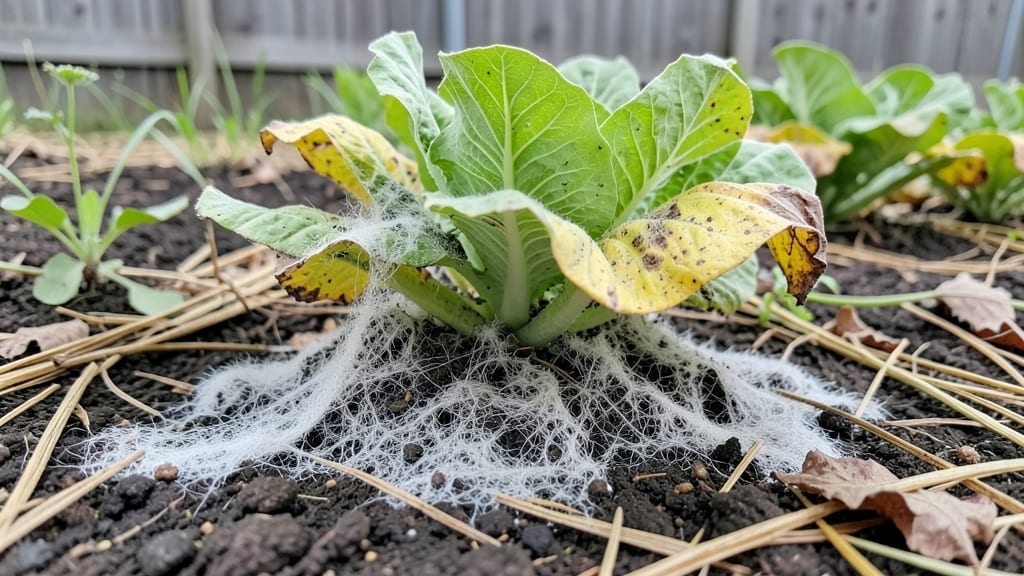
Black mold creeping through your garden isn’t just unsightly—it’s a red flag for soil that’s struggling to stay healthy. 🌱 I’ve seen it turn vibrant gardens into sluggish, fungus-prone zones, and the fix starts with understanding why it shows up in the first place.
The good news? You can outsmart it with simple adjustments that keep your soil thriving instead of suffocating.
Most mold problems stem from too much moisture trapped in one place—think thick mulch layers, poor drainage, or plants crowded too closely. That damp, dark environment is mold’s happy place, and once it takes hold, it competes with your plants for nutrients.
The key is breaking that cycle by improving airflow, cutting back on organic buildup, and choosing plants that naturally resist moldy conditions.
You’ll learn to spot the early signs—fuzzy patches on mulch, musty smells near the soil, or leaves turning yellow before they wilt—and take action before it spreads.
With the right preventive barriers, your garden will stay fresh, your soil will breathe easier, and you’ll avoid the worst offenders like Stachybotrys, which can actually harm your health.
This isn’t about harsh chemicals or complicated fixes—just smarter habits that keep your garden productive and your plants strong. Let’s get your soil back in balance before mold gets the upper hand.
The Hidden Triggers Behind Garden Mold
Mold in your garden isn’t just an eyesore—it’s a sign that your outdoor space is playing host to a silent battle between moisture, organic matter, and the microscopic fungi thriving in the shadows.
Understanding why mold takes root is the first step to stopping it before it spreads. Below, we break down the key culprits behind garden mold, backed by science and actionable insights.
Mold spores need water to germinate and grow, and gardens are often a buffet of damp conditions. Here’s why excess moisture creates the perfect storm:
- Poor Drainage 🌧️: Clay-heavy or compacted soil holds water like a sponge, preventing it from draining away.
If your garden sits in a low-lying area or lacks slopes, water pools, creating a soggy breeding ground for mold. - Actionable fix: Test your soil’s drainage by digging a 12-inch hole, filling it with water, and timing how long it takes to drain.
If it’s slower than 6 hours, amend with sand, perlite, or compost to improve aeration.
- Overwatering 💦: While plants need hydration, drowning them triggers mold. Overhead watering (especially in the evening) keeps foliage damp for hours, giving mold spores a direct path to colonize leaves and soil. - Pro tip: Water deeply but infrequently, aiming for the roots rather than the leaves.
Use drip irrigation or soaker hoses to deliver moisture directly to the soil base.
- Humidity Traps 🌿: Dense foliage, thick mulch layers, or shaded areas trap humidity, creating a greenhouse effect.
Mold loves relative humidity above 70%—common in covered patios, under decks, or between tightly packed plants. - Science note: Fungal hyphae (mold’s thread-like structures) grow 50% faster in humid conditions (studies from Plant Pathology Journal).
Mold feeds on decaying organic matter, turning your garden’s natural waste into a smorgasbord. Common offenders include:
- Leaves and Mulch Piles 🍁: While mulch suppresses weeds, thick layers (4+ inches) block airflow and retain moisture, accelerating decomposition—and mold growth.
- Fix: Keep mulch 2–3 inches thick, and fluff it annually to improve aeration. Remove fallen leaves promptly, especially in damp corners.
- Decomposing Plant Material 🌱: Dead plants, rotting wood, or even compost piles can become mold hotspots if they’re too wet or lack oxygen.
Black mold (like Stachybotrys) often thrives in waterlogged compost. - Solution: Turn your compost pile regularly and balance "greens" (nitrogen-rich) with "browns" (carbon-rich, like dry leaves). Aim for a 3:1 brown-to-green ratio.
- Wood and Bark 🪵: Untreated wood (e.g., old fences, bark mulch) absorbs moisture and becomes a mold incubator. Even "natural" wood chips can harbor saprophytic fungi if left damp. - Prevention: Use cedar or redwood (naturally resistant) for mulch or structures.
Space wood chips away from plant stems to prevent basal rot.
Mold isn’t just about water—it’s also about climate control. Warm, stagnant air creates the ideal environment for spores to spread.
- Warm, Stagnant Air 🔥: Temperatures between 77–86°F (25–30°C) supercharge mold growth.
If your garden is shaded and enclosed (like a greenhouse or covered porch), heat and humidity combine to create a fungal paradise. - Fix: Improve air circulation with fans, strategic pruning to open up spaces, or vertical gardening to reduce congestion.
- Cold, Damp Mornings ❄️: Dew forms when warm air meets cold surfaces, leaving plants and soil saturated overnight. This is when powdery mildew (a common garden mold) spreads fastest. - Trick: Water in the early morning (before 10 AM) so foliage dries by sunset.
Avoid evening watering—it extends moisture exposure by 12+ hours.
- Poor Ventilation in Structures 🏠: Greenhouses, sheds, and potted plant storage areas trap moisture. Without airflow, condensation fuels mold on tools, pots, and even soil blocks. - Solution: Install vents or dehumidifiers, and store pots upside down to dry.
Use bamboo or terracotta (porous materials that "breathe") instead of sealed plastic.
Believe it or not, your soil’s pH and nutrient balance can invite mold—or repel it.
- Acidic Soil (pH < 6.0) 🍋: While some plants thrive in acidic conditions, low pH (e.g., peat-heavy soil) encourages mold growth by making nitrogen more available to fungi. - Test it: Use a soil pH test kit (available at garden centers).
If pH is below 6.0, amend with lime (calcium carbonate) to raise it to 6.0–7.0.
- Excess Nitrogen 🧪: Fertilizers high in nitrogen (like fresh manure or synthetic blends) feed mold as much as your plants.
Over-fertilized soil becomes a buffet for fungal growth. - Balance it: Use slow-release fertilizers (like composted cow manure) and pair with phosphorus-rich amendments (bone meal) to support roots over fungi.
- Lack of Beneficial Microbes 🦠: Healthy soil teems with bacteria and fungi that outcompete mold.
If your soil is sterile (e.g., from pesticides or poor organic matter), harmful mold moves in. - Boost it: Add mycorrhizal fungi (available as powders) or compost tea to introduce beneficial microbes that suppress mold spores.
Physical stress on plants—from insects, disease, or mechanical damage—creates entry points for mold.
- Chewing Insects 🐜: Beetles, slugs, and caterpillars create open wounds on leaves and stems. These gaps let mold spores invade plant tissue easily.
- Prevent it: Use neem oil or row covers to deter pests. Remove damaged leaves immediately to limit mold spread.
- Fungal and Bacterial Infections 🦠: Weakened plants (from blight, root rot, or virus) are mold magnets.
For example, powdery mildew often follows a plant’s struggle with aphids. - Break the cycle: Rotate crops annually, practice crop sanitation (remove infected plants), and use copper-based fungicides as a preventive barrier.
- Physical Trauma ⚒️: Mowing too low, pruning incorrectly, or even foot traffic can damage plant cells, making them vulnerable to mold colonization.
- Avoid it: Mow at 3–4 inches high (taller grass shades out weeds and reduces soil moisture). Prune with sterilized tools to prevent spreading spores.
Fixing Fungal Foes in Your Garden
Now that you know why mold creeps into your garden, let’s tackle it head-on with targeted fixes. The right approach depends on the type of mold and its cause—whether it’s excess moisture, poor airflow, or organic buildup.
Below, we’ll map common culprits to practical solutions, plus prevention tips to keep your garden thriving.
Problem: Too much moisture suffocates roots and feeds mold spores, turning soil into a damp, spongy breeding ground.
How to Fix It: 🔥 Adjust Your Watering Routine
- Water deeply but less frequently—aim for 1–1.5 inches per week (including rainfall). Use a moisture meter to check soil levels before watering.
- Water in the early morning so excess moisture evaporates by evening.
🍳 Improve Soil Drainage
- Amend heavy clay soil with compost, perlite, or coarse sand (1 part amendment to 3 parts soil) to create air pockets.
- Raise garden beds or plant in containers with drainage holes if your yard floods easily.
👨🍳 Fix Irrigation Issues
- Check sprinklers or hoses for overspray that soaks leaves or mulch. Adjust nozzles or switch to drip irrigation for targeted watering.
- Avoid watering foliage—direct streams to the soil base instead.
⏰ Prevention Tip: 💡 Test your soil’s drainage by digging a 6-inch hole, filling it with water, and timing how long it takes to drain. If it’s slower than 4 hours, amend immediately.
Problem: Leaves, grass clippings, or thick mulch trap moisture and block airflow, creating the perfect mold party.
How to Fix It: 🔥 Clear and Aerate
- Rake away thick layers of mulch (keep it 2–3 inches deep) and remove fallen leaves or debris.
- Fluff soil gently with a garden fork to improve airflow around roots.
🍳 Use the Right Mulch
- Opt for coarse mulches like pine straw, cedar chips, or wood chips (avoid fine bark or straw, which compact).
- Space mulch 6 inches away from plant stems to prevent moisture traps.
👨🍳 Compost Properly
- If compost piles are moldy, turn them weekly to aerate and balance moisture. Add browns (dry leaves, cardboard) to offset greens (grass, veggie scraps).
- Cover piles with a breathable tarp during rainy spells.
⏰ Prevention Tip: 💡 Mulch volcanoes are a no-go! Piling mulch against tree trunks or plant stems creates a damp, moldy barrier. Keep it sloped away like a donut.
Problem: Low sunlight and high humidity slow evaporation, leaving surfaces damp for days.
How to Fix It: 🔥 Boost Air Circulation
- Prune overgrown plants to let sunlight and air reach the soil and lower leaves.
- Install small fans in shaded areas (like under deck planters) to keep humidity in check.
🍳 Select Sun-Loving Plants
- Swap moisture-sensitive plants (e.g., ferns, hostas) for drought-tolerant varieties like lavender, sedum, or ornamental grasses.
- Use reflective mulches (like silver plastic) under pots to bounce light onto leaves.
👨🍳 Adjust Landscaping
- Plant taller, fast-growing species (e.g., sunflowers, corn) on the north or west side of garden beds to cast shade naturally.
- Add gravel paths or rocks to break up large shaded areas and improve drainage.
⏰ Prevention Tip: 🌡️ Humidity hacks: Place dehumidifiers near greenhouses or use absorbent materials (like silica gel packs) in pots to soak up excess moisture.
Problem: Stubborn molds (like black spot on roses or powdery mildew) resist simple fixes and spread quickly.
How to Fix It: 🔥 Spot-Treat Fungal Spots
- Baking soda spray: Mix 1 tsp baking soda + 1 tbsp horticultural oil + 1 gallon water. Spray affected leaves (avoid flowers) every 7–10 days.
- Neem oil: Apply 2 tbsp neem oil + 1 tsp soap per gallon of water as a preventative spray. Reapply after rain.
🍳 Remove Infected Plant Parts
- Prune moldy leaves or stems with sterilized shears (wipe with rubbing alcohol between cuts).
- Dispose of debris in the trash (not compost)—mold spores can survive and reinfect.
👨🍳 Soil Fungicides (Last Resort)
- For severe cases, use copper fungicide or mycorrhizal fungi (like Trichoderma) to outcompete harmful molds. Follow label instructions carefully.
⏰ Prevention Tip: ✨ Copper penny trick: Place copper pennies in the soil around plants—copper ions slowly release to inhibit fungal growth (test on a small area first).
Keep mold from staging a comeback with these proactive habits:
- Mulch lightly (2–3 inches) and keep it dry.
- Water at the base, not overhead.
- Rotate crops yearly to disrupt mold life cycles.
- Test soil pH (aim for 6.0–7.0)—acidic soil encourages some fungi.
- Plant resistant varieties (e.g., ‘Blaze’ roses for mildew resistance).
Final Note: Most garden molds are manageable with consistency—don’t let one damp week turn into a chronic problem. Treat it early, and your soil (and plants) will thank you! 🌿
Frequently asked questions
What are the first signs of mold in my garden?
Look for fuzzy black, green, or white patches on mulch, soil, or plant leaves—these are classic mold indicators. Musty smells near the soil surface or yellowing leaves with powdery coatings (like talcum powder) are also red flags. Check shaded, damp areas first, as they’re prime mold hotspots.
Is all garden mold harmful to plants?
Most garden mold is harmless to humans but can still damage plants by competing for nutrients and blocking sunlight. However, toxic black mold (Stachybotrys) can weaken plants and pose health risks if inhaled. Always remove moldy debris promptly and improve airflow to prevent spread.
Can I use vinegar to kill garden mold?
Yes! Mix 1 part white vinegar with 3 parts water and spray directly on moldy areas (avoid flowers). The acidity disrupts fungal growth, but reapply after rain. For stubborn cases, combine with 1 tsp baking soda per gallon for extra power. Test on a small area first.
How do I prevent mold in potted plants?
Ensure pots have drainage holes and use well-draining soil mixes (like cactus/succulent blends). Water only when the top 1 inch of soil is dry, and avoid overhead watering. Elevate pots on saucers to prevent moisture buildup, and prune crowded foliage to improve airflow.
Will composting help or worsen garden mold?
Composting can help if managed properly—mold thrives in waterlogged, anaerobic piles. Turn compost weekly, balance greens/browns (3:1 ratio), and keep it moist but not soggy. If mold appears, add more dry leaves or shredded cardboard to absorb excess moisture.