Pests
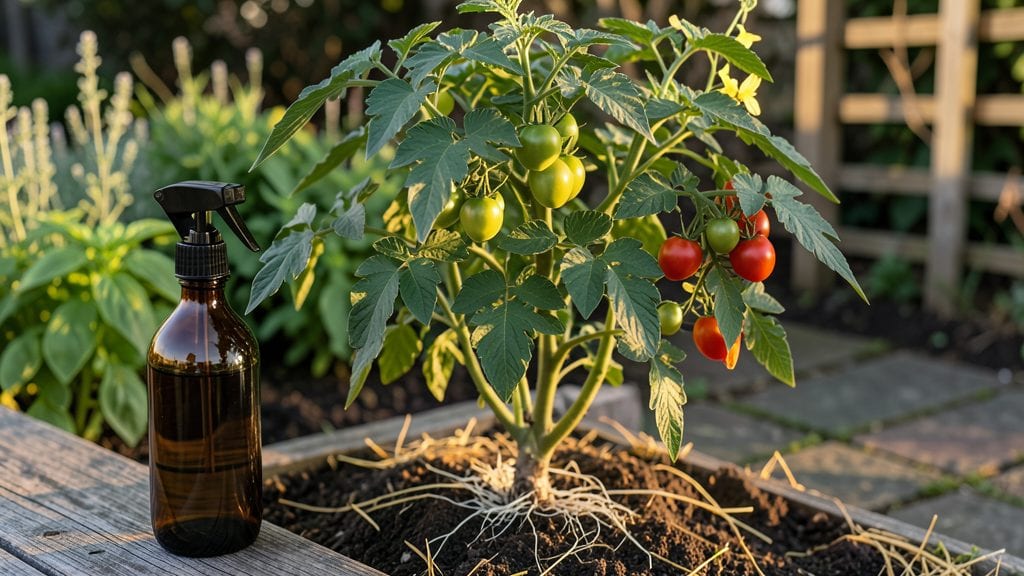
Organic garden pest control isn't about fighting nature—it's about working with it. ✨ After years of battling aphids, slugs, and caterpillars with harsh chemicals, I finally cracked the code: layered defense that keeps pests in check without harming pollinators or your soil.
The secret lies in three simple strategies: companion planting to confuse pests, beneficial insects that do the dirty work for you, and physical barriers that block invaders before they strike.
My zucchini plants now stay aphid-free thanks to nearby marigolds, and slugs avoid my lettuce because of beer traps I set at dusk.
You'll see fewer chewed leaves, healthier plants, and a garden ecosystem that thrives on balance. The best part? These methods work for vegetables, flowers, and herbs—no matter what you're growing. Let's get your garden back in harmony with nature.
From neem oil sprays to homemade garlic repellents, I'll walk you through the most effective, eco-friendly solutions that actually stop pests—not just mask the problem. Ready to grow without the chemical battle?
Root Causes Of Garden Pests
Pests in organic gardens aren’t just random nuisances—they’re often drawn in by specific conditions that make your plants look like an all-you-can-eat buffet. 🍽️ Understanding why these critters show up is the first step to keeping them at bay naturally.
Below, we break down the science-backed reasons behind common garden pest invasions.
When plants grow too close together, they create the perfect hiding spot for pests. Poor airflow and high humidity between leaves trap moisture, which is a magnet for fungal diseases and the insects that love them.
- Why it happens: Dense foliage shields pests like aphids, whiteflies, and spider mites from predators (like ladybugs or lacewings) and natural sunlight, which can deter them.
- Science note: Studies show that overcrowded crops increase stress hormones in plants, making them release volatile organic compounds (VOCs) that attract herbivorous pests.
- Actionable fix: Space plants according to their mature size (check seed packets!) and prune regularly to improve circulation.
Stressed plants—whether from drought, nutrient deficiencies, or poor soil—are far more vulnerable to pests. Think of it like a gym: a well-fed, healthy plant is like a bodybuilder, while a malnourished one is an open invitation for pests to feast.
- Why it happens: Weak plants have thinner cell walls and lower levels of defensive compounds (like alkaloids or tannins), making them easier to chew through. Pests also detect these stress signals through plant volatiles (chemical cues).
- Common triggers:
- Underwatering or compaction (roots can’t access nutrients).
- Over-fertilizing with synthetic nitrogen (burns roots and attracts soft-bodied pests like aphids).
- Soil-borne pathogens (e.g., Phytophthora) that weaken roots.
- Actionable fix: Test your soil (pH and nutrient levels) and amend with compost or worm castings to boost natural defenses. Drip irrigation keeps plants consistently hydrated without wetting foliage.
Planting the same crop in large blocks (e.g., a whole row of tomatoes) is like rolling out a welcome mat for pests. Monocultures disrupt biodiversity, removing the natural checks and balances that keep pest populations in control.
- Why it happens:
- Pests specialize: Many insects (like Colorado potato beetles or cabbage worms) have evolved to target one or two host plants. A field of identical crops = a buffet with no competition.
- Loss of predators: Diverse gardens support beneficial insects (ladybugs, parasitic wasps) that prey on pests. Monocultures starve these helpers out.
- Disease spread: Pests and pathogens move easily between identical plants, creating outbreaks.
- Actionable fix: Practice crop rotation and interplanting (e.g., basil with tomatoes to repel whiteflies). Aim for at least 3–4 different plant families in your garden layout.
Temperature, humidity, and shelter all play a role in whether pests thrive in your garden. Some pests, like Japanese beetles or slugs, are drawn to specific conditions that you might unknowingly be providing.
- Why it happens:
Pest Type Ideal Conditions How Your Garden Might Provide It Soft-bodied pests (aphids, whiteflies) Warm (70–85°F), high humidity, stagnant air Plastic mulch, dense foliage, or drip irrigation that keeps leaves wet Slugs and snails Cool, damp nights (>60% humidity) Shady, mulched beds or rainwater pooling near plants Root maggots (e.g., onion flies) Warm soil (60–85°F), moist organic matter Fresh manure or compost piles near crops - Actionable fix:
- Use reflective mulch (like aluminum foil) to deter beetles.
- Improve drainage with raised beds or gravel.
- Plant windbreaks (e.g., sunflowers) to reduce humidity in hot climates.
Even if you’re not using synthetic pesticides, leftover chemicals from previous gardeners (or rainwater runoff) can linger in soil and weaken plants’ natural pest resistance.
- Why it happens:
- Soil microbes get killed: Beneficial fungi (like Trichoderma) and bacteria that protect roots are sensitive to chemicals. Their absence leaves plants more susceptible to pests.
- Plants become “addicted” to fertilizers: Synthetic nitrogen can suppress the production of secondary metabolites (e.g., capsicum in peppers, mustard oils in brassicas), which deter pests.
- Pests evolve resistance: Some insects (like spotted lanternflies) develop a taste for chemically stressed plants.
- Actionable fix:
- Test soil for pesticide residues (some extension offices offer this service).
- Rebuild microbial life with biochar or mycorrhizal fungi.
- Switch to organic fertilizers (e.g., fish emulsion, compost tea) to avoid chemical buildup.
Pro Tip: 💡 Keep a pest journal to track outbreaks. Note conditions like rainfall, temperature swings, and planting dates—patterns will reveal what’s inviting pests to your garden!
Natural Fixes for Common Garden Invaders
When pests crash your organic garden party, the key is to act fast—but smart. Below are targeted, eco-friendly solutions for the most common troublemakers, paired with prevention strategies to keep your plants thriving long-term.
Think of these as your organic pest control toolkit, where every fix is as gentle on the planet as it is effective.
Cause: These pear-shaped pests cluster on new growth, draining nutrients and leaving sticky honeydew behind. Fix:1️⃣ Blast Them Away 💦
- Spray aphids directly with a strong stream of water from your hose. Repeat every 2–3 days until gone.
- Pro tip: Do this in the early morning so plants dry quickly, preventing fungal growth.
2️⃣ Ladybugs to the Rescue 🐞
- Release ladybugs (or their larvae) near infested plants. One ladybug can eat 5,000 aphids in its lifetime!
3️⃣ Neem Oil Spray 🌿
- Mix 1 tbsp neem oil + 1 tsp mild soap + 1 quart water. Spray undersides of leaves where aphids hide.
Prevention:
- Plant companions: Interplant with garlic, chives, or marigolds—aphids dislike their scent.
- Encourage predators: Let dandelions and clover grow nearby to attract beneficial insects.
Cause: These green caterpillars chew holes in brassicas (kale, cabbage, broccoli), leaving ragged edges. Fix:
1️⃣ Handpick & Drown 👨🍳🔪
- Check undersides of leaves daily. Drop worms into soapy water—no chemicals needed!
2️⃣ Bacillus Thuringiensis (Bt) 🧪
- Spritz leaves with Bt (a natural bacteria that kills caterpillars but harms nothing else). Reapply after rain.
3️⃣ Row Covers 🛡️
- Use lightweight fabric covers to block moths (their adult stage) from laying eggs.
Prevention:
- Crop rotation: Avoid planting brassicas in the same spot yearly.
- Traps: Place yellow sticky traps near plants to catch adult moths.
Cause: These slimy pests leave silvery trails and chewed leaves overnight, especially after rain. Fix:
1️⃣ Beer Traps 🍺
- Bury a shallow dish filled with beer near plants. Slugs crawl in and drown—no mess, no fuss.
2️⃣ Copper Barriers ⚡
- Wrap copper tape around pots or garden beds. The slight electric charge repels slugs.
3️⃣ Diatomaceous Earth (DE) 🌍
- Sprinkle food-grade DE around plants. It dehydrates slugs but is safe for pets once settled.
Prevention:
- Remove hiding spots: Clear debris and mulch away from plant bases.
- Plant barriers: Surround beds with thyme, mint, or geraniums—slugs avoid them.
Cause: Overly damp conditions lead to powdery mildew (white fuzz) or rust (orange spots) on leaves. Fix:
1️⃣ Baking Soda Spray 🧂
- Mix 1 tsp baking soda + 1 quart water + a drop of soap. Spray leaves weekly to prevent mildew.
2️⃣ Improve Airflow 🌬️
- Prune crowded plants and space them properly to reduce humidity.
3️⃣ Milk Spray 🥛
- Use 1 part milk to 9 parts water. Spray on leaves—milk’s proteins inhibit fungal growth.
Prevention:
- Water wisely: Water at the base of plants in the morning to let foliage dry.
- Resistant varieties: Choose mildew-resistant plants like ‘Moulin Rouge’ tomatoes.
Cause: Ants don’t eat plants but farm aphids for honeydew, protecting them in exchange. Fix:
1️⃣ Disrupt the Relationship 🚫
- Target aphids first (see above). Without their food source, ants lose interest.
2️⃣ Diatomaceous Earth 🌍 (again!)
- Sprinkle DE along trails to dehydrate ants naturally.
3️⃣ Cinnamon Barrier 🌳
- Dust cinnamon around entry points. Ants hate the scent and won’t cross it.
Prevention:
- Seal entry points: Check for cracks in pots or garden beds where ants nest.
- Citrus peels: Scatter around plants—ants dislike the smell.
💡 Quick Reminder: Always test sprays on a small leaf first to avoid damaging sensitive plants. And remember—prevention is the best pest control. Healthy soil, diverse plantings, and happy predators will keep your garden thriving without a single chemical!
Frequently asked questions
What’s the fastest organic way to stop slugs from destroying my lettuce?
Set up a shallow dish of beer near your plants at dusk—the slugs will crawl in and drown. For immediate protection, wrap copper tape around containers or beds. The slight electric charge repels them instantly. Repeat every few days during rainy seasons.
Can I use coffee grounds as a natural pest repellent?
Yes! Sprinkle used coffee grounds around base of plants to deter slugs, ants, and even cats. The caffeine and acidic smell disrupt pests’ scent trails. For aphids, mix grounds with water to create a paste and apply to leaves. Just avoid overdoing it—too much can acidify soil over time.
How do I know if my pest problem is severe enough to need professional help?
If 50%+ of leaves are damaged, pests are spreading to new plants rapidly, or organic methods fail after 2-3 weeks, consider consulting a local organic pest control expert. Look for signs like wilting, holes in stems, or visible webs—these indicate advanced infestations that may need targeted biological solutions.
Are there any plants that naturally repel all garden pests?
No single plant repels everything, but marigolds (aphids, nematodes), basil (mosquitoes, thrips), and garlic/chives (aphids, Japanese beetles) are top all-rounders. For maximum protection, interplant these with your crops. The key is diversity—mix 3-4 companion plants per bed to confuse pests naturally.
Will neem oil harm my bees or other pollinators?
Neem oil is safe for bees when used correctly! Apply it after sunset and avoid spraying flowers directly. The active ingredient (azadirachtin) only affects pests. For extra safety, mix with 1 tsp honey per quart to attract beneficial insects back to treated areas. Always follow label instructions for concentration.