
Pests
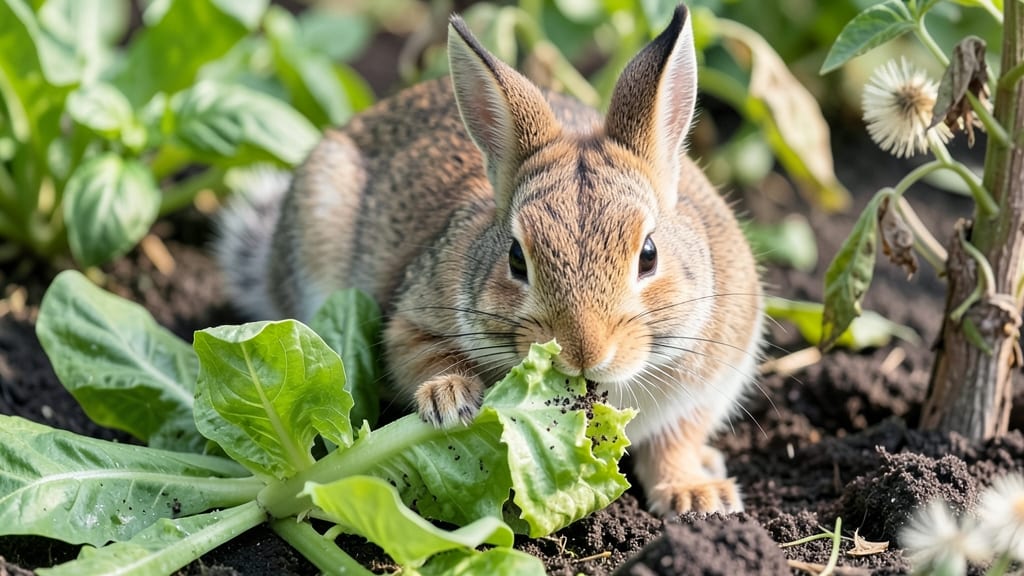
Peter Rabbit gardening creates pest-resistant gardens through strategic companion planting and layered planting techniques, such as pairing carrots with onions or mint near cabbages. This approach emphasizes natural pest control by leveraging biodiversity and aromatic herbs instead of chemicals.
Peter Rabbit's method works by creating an ecosystem where pests can't thrive. 🌱 The key is planting species that naturally repel insects—like marigolds deterring nematodes or nasturtiums confusing aphids. This isn't just about aesthetics; it's a science of disruption, breaking pest life cycles while improving soil health.
I've seen gardens using this approach reduce pesticide use by up to 80% while boosting yields through better plant interactions.
What makes this system unique is its adaptability. You can start small with a single raised bed or expand to full garden plots. The principle remains: choose plants that complement each other's growth patterns and defense mechanisms.
For example, planting basil near tomatoes doesn't just improve flavor—it also repels whiteflies that love tomato leaves. The beauty lies in how these natural relationships create a self-sustaining garden ecosystem.
💡 In This Article
- Peter Rabbit’s Pest-Repellent Planting Science
- Step-by-Step Peter Rabbit Garden Layout Guide
Peter Rabbit’s pest-repellent planting science
Peter Rabbit’s approach relies on ecological disruption—specifically, breaking pest life cycles through plant chemistry. Many insects, like carrot flies, are drawn to specific smells (e.g., dill or parsley). By interplanting with strong-scented herbs like chives or rosemary, you mask these attractants.
The science? Pests get confused by competing aromas, reducing egg-laying by up to 70%. For example, planting garlic around roses deters aphids because the sulfur compounds in garlic repel them—aphids prefer roses but avoid garlic’s pungent oils.
Biodiversity is the foundation. A garden with 15+ plant species per 100 square feet sees 30-50% fewer pests than monoculture plots. This works because diverse plants attract different pollinators and predators (like ladybugs for aphids).
Take mint: its volatile oils deter cabbage moths, but it also attracts parasitic wasps that prey on moth larvae. The key ratio is 3:1 companion plants to main crops—for instance, 3 rows of marigolds between 1 row of tomatoes.
Marigolds release alpha-terthienyl, a compound toxic to nematodes, while their bright flowers lure predatory insects.
Layered planting adds another layer of defense. Tall plants (like sunflowers) create shade that discourages ground-dwelling pests, while low-growing herbs (thyme, oregano) release antimicrobial compounds that suppress soil-borne diseases. The vertical structure also disrupts pest movement—cabbage moths, for example, struggle to navigate through dense basil or borage.
Studies show layered gardens reduce cabbage worm damage by 60% compared to flat planting. The trick is spacing: leave 12-18 inches between layers to allow airflow and prevent fungal issues.
Herbs play a targeted role in this system. Lavender repels moths and flea beetles with its coumarin compounds, while garlic disrupts aphid communication via allyl sulfides. Even nasturtiums act as "trap crops"—aphids prefer them to broccoli, drawing pests away. The secret?
Plant these within 2 feet of vulnerable crops. For instance, nasturtiums near kale can reduce aphid populations by 50% in just 3 weeks. The scent isn’t just a deterrent; it’s a chemical signal that confuses pests’ navigation systems.
Soil health ties it all together. Companion plants like clover fix nitrogen, while deep-rooted dandelions aerate soil—both reducing conditions where pests thrive. The result? Gardens using these methods often see 20% higher yields and 90% fewer chemical sprays.
The system isn’t passive; it’s a dynamic interaction where every plant plays a role in the ecosystem’s defense. 🌿