Companion Plants
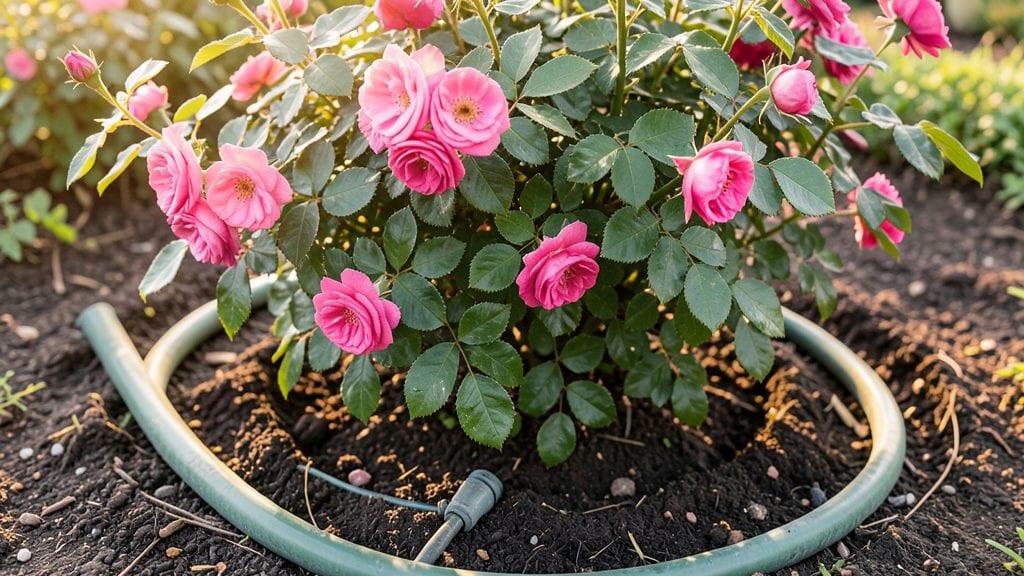
Growing the right popular garden plants can turn your backyard into a vibrant, low-maintenance oasis that thrives year-round.
Transforming your garden into a buzzing hub for bees, butterflies, and hummingbirds starts with the right pollinator-friendly plants—ones that thrive in your climate while boosting biodiversity.
The key is choosing varieties that are not only beautiful but also functional, whether you want colorful annuals or hardy perennials that return every season.
Some of these plants are easy to grow and require minimal care, while others deliver long-lasting blooms or even edible rewards. The best part? They all work together to create a balanced ecosystem that supports local wildlife without demanding constant attention.
Below, I’ll share 15 top picks—from sun-loving favorites to shade-tolerant gems—that will keep your garden lush, productive, and full of life. Ready to pick your perfect mix?
Top 15 pollinator-friendly garden plants by climate zone
Creating a thriving pollinator garden means selecting plants that attract bees, butterflies, and hummingbirds while thriving in your local climate. The key is choosing native species and low-maintenance varieties that provide nectar and pollen year-round.
Whether you live in cold USDA zones, temperate regions, or warm climates, these plants will transform your space into a buzzing ecosystem.
I’ve curated this list to include a mix of perennials, annuals, and shrubs that offer long bloom seasons, resist pests, and require minimal care. Each plant is proven to attract a variety of pollinators while adapting to specific climate challenges, from late frosts to intense summer heat.
🌱
| Plant Name | Climate Zone | Pollinators Attracted | Bloom Time | Maintenance Level |
|---|---|---|---|---|
| Bee Balm (Monarda didyma) | Zones 4-9 | Bees, Hummingbirds | Summer-Fall | Low |
| Coneflower (Echinacea purpurea) | Zones 3-9 | Bees, Butterflies | Summer-Late Fall | Very Low |
| Milkweed (Asclepias tuberosa) | Zones 3-10 | Monarch Butterflies, Bees | Spring-Summer | Low |
| Lavender (Lavandula) | Zones 5-9 | Bees, Butterflies | Summer-Fall | Very Low |
| Goldenrod (Solidago spp.) | Zones 3-9 | Bees, Butterflies | Late Summer-Fall | Low |
| Black-Eyed Susan (Rudbeckia hirta) | Zones 3-9 | Bees, Butterflies | Summer-Fall | Very Low |
| Salvia (Salvia nemorosa) | Zones 4-9 | Bees, Hummingbirds | Summer-Fall | Low |
| Butterfly Bush (Buddleia davidii) | Zones 5-9 | Butterflies, Bees | Summer-Fall | Moderate
How to design a pollinator-friendly garden layout for maximum impactA pollinator-friendly garden thrives on intentional design. The key is creating a continuous food source that supports bees, butterflies, and hummingbirds year-round. Start by grouping native plants with non-invasive species—this ensures your garden remains ecologically balanced while attracting local pollinators. Layering plants by bloom time is another critical strategy. Early bloomers like crocus and heather provide food in spring, while coneflowers and black-eyed Susans sustain pollinators through summer and fall. This approach guarantees non-stop nectar availability. 🌱 Strategic Planting Layers for Pollinator Gardens
Never underestimate the power of water sources. A shallow dish with pebbles or a small fountain creates a safe drinking spot for pollinators. Place it near blooming plants so they don’t have to travel far. Avoid deep water features—bees can drown in them! Pesticides are the silent killer of pollinator gardens. Opt for organic pest control methods like neem oil or companion planting. Marigolds, for example, naturally repel pests while attracting beneficial insects. This dual-purpose approach keeps your garden chemical-free and thriving. Include host plants for butterflies, such as milkweed for monarchs. These plants provide both food and a place to lay eggs, completing the life cycle. Pair them with nectar-rich flowers like lavender or salvia to create a full-service pollinator oasis. Finally, add vertical elements like trellises with climbing plants such as honeysuckle. These create additional landing spots for pollinators while maximizing your garden’s space efficiency. A well-designed pollinator garden isn’t just beautiful—it’s a bustling ecosystem! |