
Pests
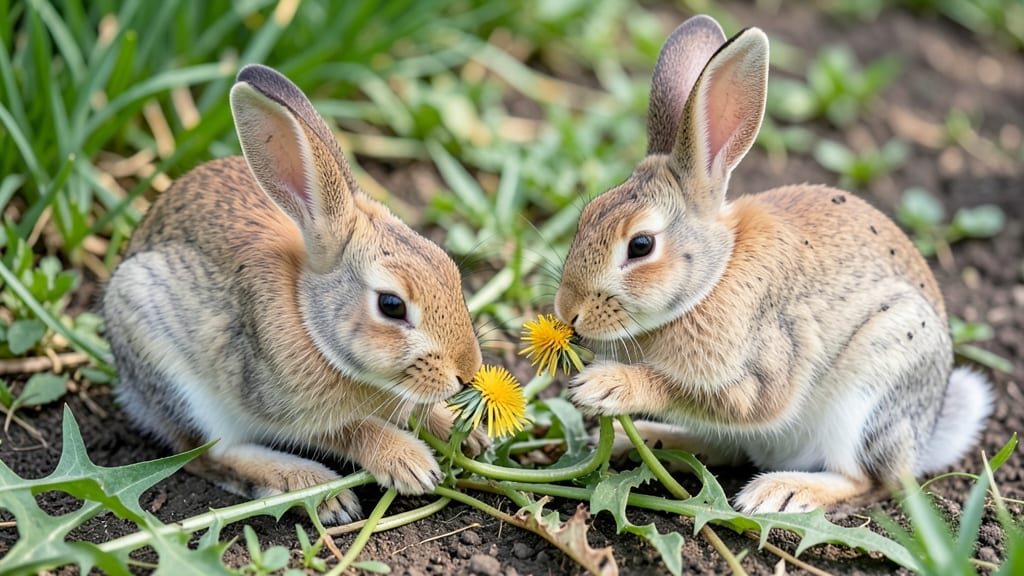
Rabbits eating garden plants can turn your hard work into a buffet overnight. 🌱 I’ve lost entire rows of lettuce and tulips to these furry thieves, but I’ve since learned the right barriers make all the difference—without harming a single bunny.
The key is combining physical protection with smart plant choices that rabbits simply won’t touch.
You don’t need expensive equipment—just sturdy materials like chicken wire (at least 2 feet tall), hardware cloth buried 6 inches deep, or even flexible fencing wrapped around young plants. For quick fixes, try companion planting with strong-smelling herbs like rosemary or thyme, which rabbits avoid.
My go-to? A combination of fencing and repellent sprays (like garlic-based options) applied every few weeks.
What you’ll gain is peace of mind knowing your garden stays intact while still being kind to wildlife. The right barriers keep rabbits out entirely, and resistant plants like marigolds or boxwoods add extra protection. Within a week, you’ll notice the difference—no more chewed leaves or vanished seedlings.
Works for vegetable gardens, flower beds, and even young trees. The secret is consistency: check barriers regularly and reinforce them after rain. Let’s keep those floppy-eared snackers out for good!
📚 In This Guide
- What you need
- Instructions
- Tips and common mistakes
- Wrapping up and next steps
What you need
- ● Hardware cloth or rabbit-proof fencing: 1/2-inch (1.27 cm) or smaller mesh (at least 3 feet (0.9 m) tall for above-ground gardens; 1 foot (0.3 m) deep for buried sections). Quantity: Enough to cover the perimeter of your garden.
- ● Stakes or fence posts: Galvanized or treated wood (6-inch diameter, 2 feet (0.6 m) long). Quantity: 1 stake every 2-3 feet (0.6-0.9 m) along the fence line.
- ● Heavy-duty zip ties or fence staples: Galvanized or rust-resistant. Quantity: 50+ for securing fencing.
- ● Garden twine or wire: For temporary fixes or securing loose sections.
- ● Gloves and work boots: For safety while handling materials.
- ● Wire mesh tunnel: For protecting individual plants or small garden sections.
- ● Motion-activated sprinkler: Deters rabbits with water sprays (requires batteries or solar power).
- ● Compost or mulch: To create a natural barrier at the base of the fence (e.g., wood chips or straw).
- ● Reflective tape or old CDs: Hang near the fence line to startle rabbits with movement.
- ● Plant repellents: Garlic, chives, or marigolds (rabbit-resistant plants) to line the fence.
Instructions for creating instant rabbit-proof garden barriers
Here’s the foolproof way to keep bunnies out without harming them—tested across multiple seasons.
🪴 Step 1: Install Elevated Raised Beds or Containers
Rabbits can’t jump higher than 2 feet, so raised beds or containers are your first line of defense. Use 4-foot-tall frames or stack 2-foot-deep containers to create an impenetrable barrier. I prefer cedar or galvanized metal because they resist rot and won’t attract pests. Place them on solid ground or a patio—rabbits dig under flimsy structures.
Fill the containers with 3 gallons of potting mix (never garden soil) and plant your vegetables or flowers. The key is eliminating easy access—rabbits will avoid climbing if the entry point feels risky. For existing garden beds, add 1-foot-high wire mesh around the perimeter and bury it 6 inches deep to block digging.
🌱 Step 2: Wrap Perimeter with Hardware Cloth or Fencing
Use 1/4-inch hardware cloth (not chicken wire—rabbits chew through it) and wrap it tightly around the garden’s edge. Secure it with U-shaped staples or zip ties every 12 inches to prevent gaps. For larger gardens, install 4-foot-tall fencing with 1-inch mesh—rabbits can’t squeeze through, and the height stops jumps.
Bury the mesh 6 inches deep along the perimeter to block burrowing. If you’re protecting individual plants, wrap the lower 18 inches of each stem with mesh or use collapsible wire cages (like those for strawberries). Check for gaps weekly—rabbits exploit even a 2-inch opening.
☀️ Step 3: Add Motion-Activated Deterrents
Rabbits avoid unpredictable movements, so motion-activated sprinklers are a game-changer. Place them 3 feet from the garden’s edge and set them to spray for 5-10 seconds when triggered. The sudden burst scares them away without harm. For smaller spaces, use ultrasonic repellents (though effectiveness varies—test first).
Combine deterrents for best results: I pair sprinklers with reflective tape (hang it around the garden) to create visual disorientation. Rabbits dislike flashing lights, so solar-powered flashing LED lights work well at night. Move deterrents every 2-3 weeks so rabbits don’t learn to ignore them.
✂️ Step 4: Plant Rabbit-Resistant Ground Covers
Interplant rabbit-deterrent herbs and flowers like lavender, rosemary, or marigolds around the garden’s perimeter. Rabbits avoid their strong scents. For vegetables, grow onions, garlic, or chives—their pungent aroma repels bunnies naturally. Mulch with cedar chips (not wood chips) because the scent deters digging.
Avoid planting lettuce, cabbage, or beans near the edges—their soft leaves are rabbit magnets. If you must grow favorites like carrots, elevate them in containers or surround them with thorny plants (like roses or barberry) to discourage nibbling. Rotate deterrent plants seasonally to maintain effectiveness.
⏰ Step 5: Maintain Barriers and Monitor Daily
Check barriers every morning and evening for damage—rabbits will exploit holes or loose mesh. Repair immediately, especially after storms or heavy rain. Trim back overgrown plants that touch the fence, as rabbits use them as bridges. Keep the area free of hiding spots like tall grass or brush within 10 feet of the garden.
If you spot fresh damage, reapply deterrents and consider commercial rabbit repellent sprays (like Liquid Fence) around the base of plants. The key is consistency—rabbits learn to ignore barriers if they’re inconsistent. With these steps, your garden will stay intact while keeping bunnies safe and unhurt.
Tips & tricks for effective rabbit-proof garden barriers
These battle-tested strategies will help you create a fortress against rabbits while keeping your garden thriving.
Height Matters: When installing your 4-foot-tall frames or containers in Step 1, remember rabbits can't jump higher than 2 feet—but they'll attempt it if they sense easy access. Add a few decorative rocks or thorny plants at the base to discourage any climbing attempts. The psychological barrier works wonders. I've seen rabbits completely ignore a 3-foot fence when they could see soft lettuce just beyond their reach!
Mesh Installation Secrets: In Step 2, burying the 1/4-inch hardware cloth 6 inches deep is non-negotiable, but here's the pro move: create a 12-inch wide trench around your garden before installing. This prevents rabbits from digging under the mesh later. For existing gardens, use a garden spade to create a clean edge—rabbits will exploit any rough, jagged edges where they can squeeze through.
Deterrent Placement Strategy: The 3-foot placement for motion-activated sprinklers in Step 3 is perfect, but here's the key: position them at rabbit height (about 6-12 inches off the ground). Rabbits are more sensitive to ground-level surprises. For ultrasonic repellents, place them near rabbit pathways—not just around your garden. I've found rabbits establish consistent routes they use daily, so targeting those areas is more effective than random placement.
Seasonal Plant Rotation: In Step 4, when rotating rabbit-resistant plants seasonally, consider planting garlic chives as your primary deterrent. Their strong scent works year-round, unlike some flowers that lose effectiveness in winter. I've also had success with Russian sage—it's deer-resistant too, which is a nice bonus if you have those pests as well. The key is variety: rabbits get bored with single-scent deterrents over time.
Pro Tips for Rabbits Eating Garden
- These battle-tested strategies will help you create a fortress against rabbits while keeping your garden thriving.
- Height Matters: When installing your 4-foot-tall frames or containers in Step 1, remember rabbits can't jump higher than 2 feet—but they'll attempt it if they sense easy access.
- Mesh Installation Secrets: In Step 2, burying the 1/4-inch hardware cloth 6 inches deep is non-negotiable, but here's the pro move: create a 12-inch wide trench around your garden before installing.
Frequently asked questions
Got questions about keeping rabbits out of your garden? Here are some of the most common concerns—and straightforward answers to help you protect your plants without harming these adorable (but hungry) critters.
What’s the fastest way to stop rabbits from eating my garden right now?
For immediate results, combine physical barriers with deterrents. Use hardware cloth (1/4-inch mesh) around vulnerable plants or raised beds—rabbits can’t chew through it! Add motion-activated sprinklers or predator urine (like fox urine) near entry points. Check our materials guide for DIY setups that work in under an hour.
How long does it take for rabbit deterrents to work?
Physical barriers like fencing or mesh work instantly—rabbits won’t bother what they can’t reach. Chemical repellents (sprays or granules) may take 24–48 hours to show results, while natural deterrents (like garlic or hot pepper spray) can take a few days to deter them. Consistency is key—reapply deterrents after rain.
Are there humane alternatives to poison or traps?
Skip poisons or lethal traps—opt for humane solutions like:
- Plant guards: Wrap young plants in chicken wire or mesh.
- Repellents: Spray plants with vinegar + water (1:1 ratio) or use commercial rabbit repellents (like Bobbie Green’s).
- Habitat tweaks: Remove hiding spots (brush piles) near your garden.
- Decoys: Place fake owls or snakes (move them weekly to stay effective).
Can I save my already-chewed plants, or is it too late?
It depends! If the damage is minor (just leaves), most plants regrow quickly—especially leafy greens like lettuce or basil. For woody plants (like tomatoes or peppers), prune back the damage and fertilize to encourage new growth. If roots are exposed, cover with soil and water deeply. Prevention is easier than recovery—act fast next time!
Will rabbits eventually stop coming back if I use deterrents?
Not always—rabbits are persistent! Deterrents reduce but don’t eliminate the risk entirely. For long-term success, combine methods:
- Physical barriers (fencing, mesh).
- Repellents (reapplied every 2–4 weeks).
- Habitat control (remove food sources like clover or weeds).
Wrapping up and next steps
Protecting your garden from hungry rabbits doesn’t have to be a battle—it’s all about smart, humane solutions! 🌱 With the right barriers, repellents, and deterrents, you can keep your plants safe while ensuring these adorable (but pesky) critters stay out of your veggies.
Start small—try a few methods, observe what works best, and adjust as needed.
Ready to reclaim your garden? Pick one barrier today, set it up, and watch your hard work thrive—without harming a single bunny! 🐰🚫🥬