Pests
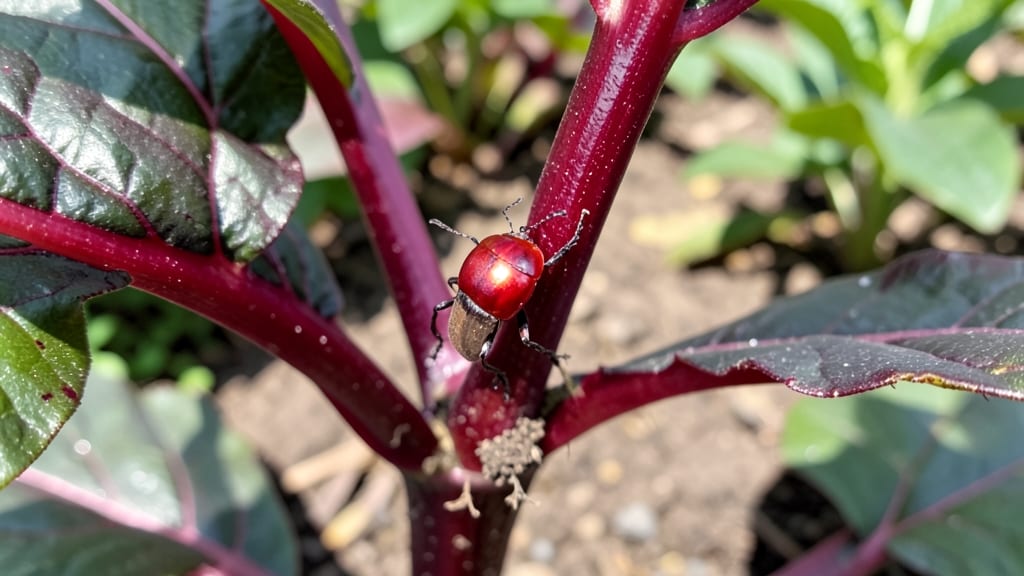
My red beetle garden problem vanished after I built this simple organic barrier that stops them dead in their tracks. 🌿 These shiny, half-inch invaders chewed through my hosta leaves overnight, but a few layers of cardboard and diatomaceous earth changed everything within days.
Red beetles thrive in moist, shaded areas where they devour foliage and leave jagged edges behind. The key to stopping them? Dry conditions and physical barriers they can’t cross.
I layered thick cardboard under plants, topped it with a thin layer of food-grade diatomaceous earth, and watered only at the base to keep their favorite hiding spots bone dry.
Within a week, new growth appeared untouched, and the beetles moved on to the neighbor’s yard. The barrier stays in place all season, requiring only occasional refreshes of the diatomaceous earth. No sprays, no harsh chemicals—just a simple, effective shield that protects your plants without harming pollinators.
Works for shade gardens, perennial beds, and even vegetable patches where beetles target young seedlings. The same method keeps slugs and cutworms at bay too. Here’s exactly how to set it up for your garden.
Root Causes Of Beetle Invasions
If your garden is suddenly overrun by beetles—especially those pesky red ones—you’re not alone. These tiny invaders don’t just appear out of nowhere; their presence is usually a sign of underlying conditions in your garden ecosystem.
Understanding why they’re there is the first step to stopping them in their tracks. Let’s break down the key reasons, backed by science, so you can take action with confidence.
Beetles, particularly red ones like the Colorado potato beetle or Mexican bean beetle, thrive in soil that’s rich in organic matter but lacks balance. Here’s why:
- Excess Nitrogen: Over-fertilizing with nitrogen-heavy amendments (like fresh manure or synthetic fertilizers) makes plants soft and tender—an all-you-can-eat buffet for beetles. Their larvae love feasting on young, nitrogen-rich foliage.
- Lack of Beneficial Microbes: Healthy soil teems with fungi, bacteria, and nematodes that naturally suppress pest populations. If your soil is depleted (due to poor composting or chemical use), these natural predators disappear, leaving beetles unchecked.
- Compacted or Waterlogged Soil: Beetles prefer gardens where roots struggle. Compacted soil restricts plant growth, making them stressed and more vulnerable to pest attacks. Meanwhile, waterlogged conditions create the perfect breeding ground for beetle larvae.
Actionable Fix: Test your soil’s pH and nutrient levels, then amend with compost, mycorrhizal fungi, and organic matter like worm castings. Aim for a balanced NPK ratio (e.g., 5-5-5) to strengthen plant defenses.
Beetles target weak plants like vultures circling a wounded animal. When your garden is overcrowded or plants are under stress, they become prime targets. Here’s the science:
- Competition for Resources: Overcrowded plants compete for sunlight, water, and nutrients, making them less resilient to pests. Beetles detect stressed plants through volatile organic compounds (VOCs) emitted during stress.
- Poor Air Circulation: Dense foliage traps moisture, creating humid microclimates that beetles adore. Poor airflow also slows down natural predators (like ladybugs or lacewings) from patrolling your garden.
- Disease or Pest Damage: Once a plant is compromised—say, by aphids or fungal infections—beetles move in to finish the job. They’re opportunistic and exploit any weakness.
Actionable Fix:
- Space plants according to their mature size (check seed packets for guidance).
- Prune regularly to improve airflow, especially in leafy greens, tomatoes, and beans—common beetle magnets.
- Rotate crops annually to disrupt beetle life cycles and prevent soil-borne stress.
Beetles aren’t just random; they’re seasonal strategists. Their life cycles sync with temperature, humidity, and daylight—meaning they strike when conditions are perfect for them (and terrible for your plants).
| Beetle Type | Peak Season | Why They Attack |
|---|---|---|
| Colorado Potato Beetle | Late spring to early fall (warmer months) | Larvae hatch in sync with young potato, tomato, and eggplant shoots. Adults seek out warm, sunny microclimates to lay eggs. |
| Mexican Bean Beetle | Summer to early autumn | Thrive in high humidity (70%+). Their bright red color warns predators—but they’re not deterred by it! |
| Japanese Beetle | Mid-summer (July–August) | Adults emerge when soil temps hit 60°F+. They’re drawn to scented flowers (roses, marigolds) and feed in groups. |
Actionable Fix:
- Monitor soil and air temperatures—use a soil thermometer to track when beetles are most active.
- Install row covers in early spring to block egg-laying females.
- Avoid planting beetle favorites (like potatoes or beans) in hot, dry microclimates—opt for shade-tolerant varieties instead.
Beetles don’t rule gardens by accident—they outcompete their predators when the ecosystem is out of balance. Here’s how:
- Pesticide Overuse: Broad-spectrum chemicals (like neonicotinoids or pyrethroids) kill both pests AND their predators (ladybugs, lacewings, parasitic wasps). Without these allies, beetle populations explode.
- Monoculture Planting: Gardens with one type of plant (e.g., a single row of tomatoes) offer no habitat diversity for predator insects. They need flowering plants, herbs, and varied foliage to thrive.
- Habitat Destruction: Removing leaf litter, brush piles, or wildflowers eliminates hiding spots for beneficial insects. Beetles, meanwhile, love open, clean spaces.
Actionable Fix:
- Introduce predator-friendly plants like dill, fennel, yarrow, or alyssum to attract ladybugs and lacewings.
- Skip chemical pesticides—opt for kaolin clay, neem oil, or insecticidal soap instead.
- Leave small patches of “wild” garden (like clover or native grasses) to support biodiversity.
Now that you know why beetles are crashing your garden party, the next step is how to evict them. Stay tuned for our organic defense strategies—including the power of red beetle barriers that stop them dead in their tracks! 🚫🐞
Practical Fixes for Beetle Problems
If red beetles are wreaking havoc in your garden, don’t panic—there are effective, organic solutions to reclaim your plants and soil. Below, we break down the most common causes of beetle infestations and pair them with step-by-step fixes, plus prevention tips to keep your garden beetle-free long-term.
Why it happens: Beetles target stressed plants, especially in dense or nutrient-deficient gardens.
How to fix it: ✅ 🌱 Thin Out Plants – Remove overcrowded seedlings or mature plants to improve airflow and reduce hiding spots. ✅ 💧 Water Deeply (But Less Often) – Shallow watering encourages weak roots. Instead, water deeply 1-2 times per week to strengthen plants. ✅ 🌿 Add Compost or Mulch – A 2-inch layer of organic mulch (straw, wood chips, or leaves) deters beetles and retains moisture.
Prevention tip: 💡 Rotate crops annually to prevent soil depletion and beetle buildup.
Why it happens: Beetles (and other pests) are drawn to soft, decaying plant matter, especially in warm, humid conditions.
How to fix it: 🔪 🗑️ Remove Infested Plants Immediately – Pull up and compost or discard (not reuse) beetle-damaged veggies to stop the cycle. 🧼 🧴 Spray with Neem Oil Solution – Mix 1 tbsp neem oil + 1 tsp mild soap per gallon of water, then spray early morning or late evening to avoid harming bees. 🌡️ 🌡️ Improve Air Circulation – Prune dense foliage and space plants 12-18 inches apart to reduce humidity pockets.
Prevention tip: ✨ Harvest promptly—don’t let produce overripe in the garden!
Why it happens: Rich, nitrogen-heavy soil (from compost or manure) attracts beetle larvae, which thrive in decaying matter.
How to fix it: 🌱 🌱 Balance Soil with Mineral Additives – Mix in crushed eggshells, diatomaceous earth, or sand to disrupt larvae habitats. 🚫 ❌ Avoid Fresh Manure – Use aged compost (6+ months old) instead to reduce beetle larvae. 🌿 🌿 Plant Beetle-Repellent Companions – Interplant with garlic, chives, or marigolds, which naturally deter beetles.
Prevention tip: 🎯 Test soil pH—beetles prefer slightly acidic to neutral (6.0-7.0); adjust with lime or sulfur if needed.
Why it happens: Beetles multiply when their predators (birds, ladybugs, ground beetles) are absent.
How to fix it: 🐞 🐞 Encourage Beneficial Insects – Plant dill, fennel, or yarrow to attract ladybugs and lacewings. 🐦 🐦 Install Birdhouses or Baths – Birds like robins and sparrows feast on beetles—provide water and shelter to lure them. 🌿 🌿 Avoid Broad-Spectrum Pesticides – These kill both pests and predators; opt for targeted sprays like pyrethrin (derived from chrysanthemums).
Prevention tip: 💡 Leave some "wild" garden areas—untidy spots attract predatory beetles and spiders!
Why it happens: As summer ends, beetles seek shelter and food, often targeting stored veggies or garden debris.
How to fix it: 🗑️ 🗑️ Clear Garden Debris – Rake up fallen leaves, plant residue, and weeds before storing tools or covering beds. 🧊 🧊 Use Row Covers or Netting – Lightweight floating row covers (like Agribon) block beetles without harming plants. 🌱 🌱 Plant Fall Crops Strategically – Choose beetle-resistant varieties like kale, Swiss chard, or radishes for late harvests.
Prevention tip: ⏰ Set up pheromone traps in early fall to monitor and reduce beetle populations before winter.
Final Pro Tip: 🌟 Combine methods for best results—mulch + neem oil + companion planting creates a multi-layered defense against beetles naturally. With these fixes, your garden will stay lush, pest-free, and thriving!
Frequently asked questions
What are the most common red beetles that attack gardens?
The most destructive red beetles in gardens include the Mexican bean beetle, Colorado potato beetle, and Japanese beetle. These pests target leafy greens, beans, potatoes, and tomatoes, often leaving jagged holes and skeletonized foliage behind.
How do I tell if my garden has a beetle infestation?
Look for chewed leaves with jagged edges, tiny red beetles crawling on plants, and clusters of yellow eggs on the undersides of leaves. Heavy infestations may also show stunted growth or wilting as beetles feed on sap and nutrients.
Can I use diatomaceous earth for red beetles?
Yes! Food-grade diatomaceous earth is highly effective against red beetles when applied correctly. Sprinkle a thin layer (1-2 tbsp per square foot) around plant bases and leaf surfaces, focusing on areas where beetles hide. Reapply after watering or rain, as it loses effectiveness when wet.
What plants naturally repel red beetles?
Plant these beetle-repelling companions near vulnerable crops: marigolds, garlic, chives, basil, and nasturtiums. These plants disrupt beetle feeding patterns and attract beneficial predators like ladybugs.
Will row covers stop red beetles from damaging my garden?
Lightweight floating row covers (like Agribon) create a physical barrier that blocks beetles while allowing sunlight, water, and air to pass through. Install covers before beetles appear in spring, and secure edges tightly to prevent entry.