
Pests
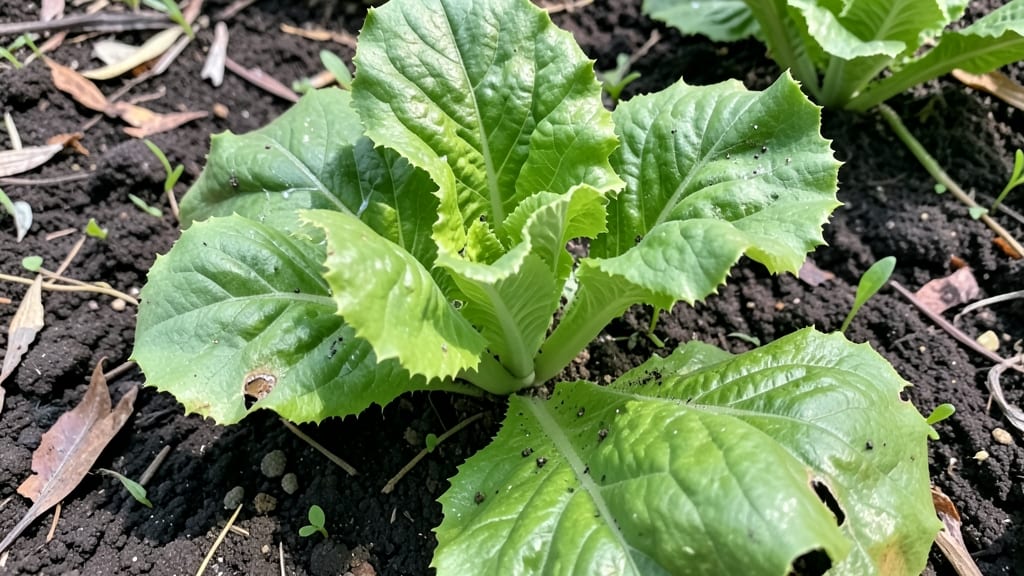
My slug prevention garden started after losing an entire tray of seedlings to these slimy invaders last spring. 🌱 The key isn't just one trick—it's layering simple, chemical-free barriers that make your garden less inviting than the lawn next door.
I tested everything from copper tape to diatomaceous earth, and these methods actually work without harming earthworms or pollinators.
Most solutions focus on trapping or poisoning slugs, but I found the real game-changer is making your beds unwelcoming. Crushed eggshells around hostas, coffee grounds near lettuce, and even a shallow trench filled with sand create physical obstacles slugs can't cross.
The best part? These barriers last through rain and stay effective for weeks without replacment.
You'll see fewer chewed leaves within a week, and vulnerable plants like basil and strawberries will finally survive to maturity. The secret is consistency—check your barriers every few days and refresh them after heavy rain.
My neighbor's garden, which used chemical baits, now looks worse than mine after just one season of natural prevention.
Works equally well for raised beds, container gardens, and in-ground plots. The methods scale from small windowsill herbs to full-size vegetable patches. Here's exactly how to set up your defensive garden without chemicals.
The Hidden Triggers Behind Slugs
Slugs may seem like harmless garden visitors, but they can quickly turn into destructive pests, devouring leaves, flowers, and even young seedlings. Understanding why they invade your garden is the first step to creating an effective slug prevention garden.
Below, we break down the key factors that attract these slimy intruders—and how their behavior works against your plants.
Slugs thrive in humid, damp environments because their soft bodies require moisture to stay active. Without a protective shell like snails, they rely on high humidity to prevent dehydration. Here’s why moisture is their biggest ally:
- Rain or irrigation: Heavy rainfall or overwatering creates ideal conditions. Slugs emerge from hiding to feed, especially after evening showers, when moisture levels peak.
- Dew and morning dampness: Slugs are most active at night and dawn, when dew forms. They leave trails of slime to glide effortlessly across wet surfaces.
- Shady, sheltered spots: Areas with poor airflow (like dense mulch or thick ground cover) trap moisture longer, making them slug hotspots.
Actionable insight: Slugs avoid dry, well-drained soil. If your garden stays soggy for long periods, they’ll stick around—and multiply.
Slugs are opportunistic feeders, targeting plants with soft, tender growth. Their diet isn’t just random—it’s driven by nutritional needs and accessibility. Here’s what makes your garden a buffet:
| Plant Type | Why Slugs Love It | Risk Level |
|---|---|---|
| Hostas, lettuce, and cabbage | High moisture content + tender leaves = easy meals | ⭐⭐⭐⭐⭐ |
| Young seedlings | Thin stems and delicate foliage are no match for slug saliva | ⭐⭐⭐⭐⭐ |
| Decaying organic matter | Rotten wood, leaf litter, and compost piles provide shelter and food | ⭐⭐⭐⭐ |
| Fruits and veggies (e.g., strawberries, tomatoes) | Sweet, juicy flesh is a slug magnet—especially when ripe | ⭐⭐⭐⭐ |
Pro tip: Slugs prefer low-growing plants because they can’t climb rough textures. If your garden is a sea of smooth, leafy greens, you’re basically serving them a five-star meal. 🍽️
Slugs are nocturnal creatures, meaning they do most of their damage under the cover of darkness. Their behavior is tied to temperature, light, and safety. Here’s why they strike at night:
- Predator avoidance: Birds, frogs, and beetles hunt slugs during the day. After sunset, slugs emerge to feed without competition.
- Cooler temperatures: They’re less active in extreme heat but become hyperactive in mild, damp evenings (ideal for feeding).
- Slime trails as highways: Their mucus secretions help them navigate obstacles, but they also leave a telltale path—your clue that they’ve been feasting.
Key takeaway: If you spot chewed leaves in the morning, the slugs were likely active overnight. This means preventive barriers (like copper tape or diatomaceous earth) work best when installed before they start their midnight raids. 🌙
Slugs don’t just wander—they strategically seek shelter to avoid predators and dry conditions. Their hiding spots are often right under your nose:
- Under mulch or rocks: Organic mulch retains moisture, making it a prime slug hotel. A single rock can harbor dozens.
- In dense ground cover: Plants like ivy or creeping thyme create microclimates that stay damp and shaded.
- Woodpiles and debris: Decaying logs and leaf litter provide both food and shelter.
- Pottery or garden containers: Overturned pots or saucers can trap slugs, turning them into unintentional breeding grounds.
💡 Prevention hack: Slugs rarely venture far from their daytime hideouts. By disrupting their shelter (e.g., removing mulch from plant bases or storing firewood away from gardens), you force them into the open—where they become easier to spot and eliminate.
How to solve it
Slugs may be sneaky, but with the right strategies, you can outsmart them and protect your plants—without resorting to harmful chemicals. The key is combining physical barriers, natural deterrents, and habitat disruption to make your garden less inviting.
Below, we map common causes to proven solutions, so you can tackle slugs at every stage of their life cycle.
Slugs are soft-bodied and slow, so mechanical defenses are your first line of attack. These methods create obstacles they can’t (or won’t) cross.
🍳 Copper Tape or Wire: The Electric Shock
Slugs have a natural aversion to copper because it gives them a mild electric shock. This is a long-term, low-maintenance solution for raised beds, pots, and garden edges.
- How to do it: Bend copper tape (available at garden centers) around the base of pots, raised beds, or vulnerable plants. Overlap edges to prevent gaps.
- Pro tip: 💡 For extra protection, combine copper with a 1-inch lip on containers—slugs can’t climb over it.
- Longevity: Copper lasts 2–3 years before needing replacement.
👨🍳 DIY Eggshell Rings: Sharp but Safe
Crushed eggshells create a jagged barrier that slugs avoid. This is zero-waste and works well for small plants or seedling trays.
- How to do it:
- Save eggshells and bake them at 200°F (93°C) for 10 minutes to sterilize.
- Crush into sharp pieces (use a mortar and pestle or blender).
- Form a ring around plants or sprinkle between rows.
- Pro tip: 🌡️ Refresh the barrier every few weeks—rain can flatten it over time.
- Bonus: The shells add calcium to the soil as they break down!
🥘 Wood Ash or Diatomaceous Earth: The Gritty Defense
Both wood ash (from untreated wood) and food-grade diatomaceous earth (DE) create abrasive layers that dehydrate slugs. Use these around the base of plants or in garden beds.
- How to do it:
- Sprinkle a thin layer (1/4 inch) of ash or DE in a 6-inch band around plants.
- Reapply after rain or watering (DE loses effectiveness when wet).
- ⚠️ Caution: Avoid inhaling DE—wear a mask when applying.
- Pro tip: ✨ Mix DE with flour (1:1 ratio) to make it stick better to slugs’ bodies.
Slugs rely on scent and moisture to find food. Overpower their senses with strong-smelling plants or homemade sprays to send them packing.
🍋 Citrus Peels and Coffee Grounds: The Smell Test
Slugs hate citrus oils and the acidity of coffee. These are cheap, effective, and compostable solutions.
- How to do it:
- Citrus peels: Scatter dried orange, lemon, or lime peels around plants or soak them in water for a spray.
- Coffee grounds: Sprinkle used grounds in a ring (1–2 inches deep) around vulnerable plants.
- Pro tip: 🔥 For extra potency, blend citrus peels with garlic and water for a slug-repelling spray.
- Bonus: Coffee grounds also improve soil drainage and deter ants!
🌱 Plant Allies: Slug-Confusing Companions
Some plants naturally repel slugs or attract their predators. Interplant these near your veggies and flowers:
| Plant | Why It Works | Best Placed Near |
|---|---|---|
| Garlic & Chives | Strong sulfur smell masks plant scents slugs follow. | Tomatoes, lettuce, roses |
| Thyme & Rosemary | Drought-tolerant and slugs avoid their woody stems. | Hostas, impatiens, strawberries |
| Marigolds | Attract predatory ground beetles that eat slugs. | Vegetable beds, flower borders |
| Nasturtiums | Act as a "trap crop"—slugs eat these instead of your prized plants. | Cabbage family (kale, broccoli) |
Slugs thrive in dark, damp, sheltered spots. Disrupt their environment to make your garden less hospitable.
🌞 Morning Shake-Up: Manual Removal
Slugs are nocturnal but come out after rain or at dawn. A quick early-morning patrol can reduce populations by 50%+.
- How to do it:
- Go out with a flashlight or headlamp before sunrise (slugs are sluggish in cool temps).
- Look for shiny trails on leaves or soil—follow them to find hiding slugs.
- Dispose of them:
- Drop in soapy water (humane and fast).
- Relocate to a wooded area (if legal in your region).
- Crush underfoot (if you’re okay with it).
- Pro tip: 🎯 Use a garden trowel or stiff brush to flick slugs into a bucket of saltwater (dissolves their bodies).
🏡 Beer Traps: The Classic Lure
A beer trap is a slug’s worst nightmare—it’s irresistible, but deadly. This works best for large infestations in shady areas.
- How to do it:
- Buried a shallow container (like a yogurt cup) rim-side up in the soil.
- Fill with beer or stale ale (slugs are drawn to the yeast and alcohol).
- Check and refresh every 2–3 days.
- Pro tip: 🔥 For a non-lethal trap, use milk or vinegar instead—slugs drown but decompose harmlessly.
- Note: Avoid this near pets or
Frequently asked questions
What’s the fastest way to stop slugs from eating my seedlings overnight?
Use a 1-inch deep ring of coarse sand around seedling trays—slugs can’t cross it. For immediate results, wrap copper tape around containers or place a shallow dish of beer or milk near the plants. Check in the morning to remove drowned slugs. This combo works within 24 hours.
Are coffee grounds really effective against slugs, and how often should I reapply?
Yes! Coffee grounds create an acidic barrier slugs avoid. Sprinkle a 1-inch layer around plants, especially lettuce and hostas. Reapply every 5-7 days or after heavy rain. The caffeine in grounds also repels ants—double protection!
Can I use diatomaceous earth around edible plants like herbs and veggies?
Only use food-grade diatomaceous earth (DE) labeled for gardens. Sprinkle a thin layer (1/8 inch) around plants, but avoid direct contact with leaves. Reapply after watering, as DE loses effectiveness when wet. It’s safe for soil but can irritate slugs’ soft bodies.
Why do slugs keep coming back even after I’ve tried barriers?
Slugs are persistent because they reproduce quickly and seek shelter nearby. Check for hiding spots like mulch piles, rocks, or dense ground cover—remove these to break their life cycle. Combine barriers (copper + crushed eggshells) and add predator-friendly plants like marigolds to disrupt their ecosystem.
Is there a natural slug repellent spray I can make at home?
Mix 1 tablespoon of garlic powder, 1 tablespoon of cayenne pepper, and 1 quart of water. Let it steep overnight, then strain and spray on plants (especially at dusk). The strong scent confuses slugs’ sense of smell. Reapply every 3-4 days or after rain.