Vegetables
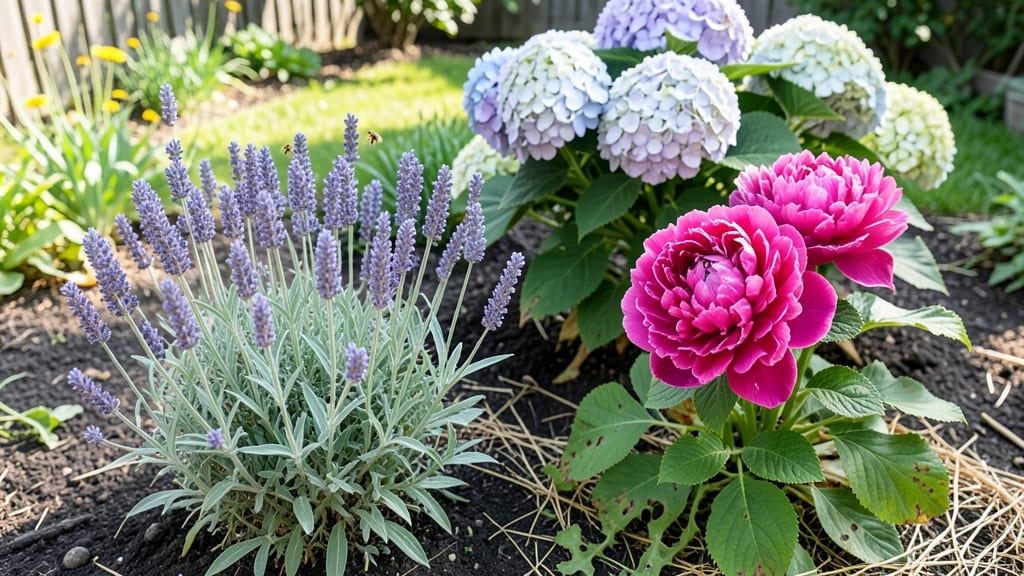
Strolling the gardens becomes a year-round delight when you design routes that showcase spring bulbs, summer perennials, and fall/winter shrubs in perfect harmony. Begin with tulips and daffodils, flow into coneflowers and black-eyed Susans, and cap with hellebores and winterberry for uninterrupted beauty.
Creating a garden that invites leisurely walks means thinking beyond seasonal blooms—it's about crafting a visual journey that changes with each visit. 🌸 The key is layering plants that bloom at different times, ensuring no two seasons feel bare.
For example, early spring's crocuses can lead to summer's vibrant daylilies, while evergreen boxwoods provide structure year-round. This approach transforms your garden into a living tapestry where every stroll reveals something new, from the delicate scent of peonies to the bold hues of ornamental grasses swaying in autumn breezes.
Don't overlook the practical elements that make strolling enjoyable: wide paths for easy access, benches tucked near fragrant roses, and subtle lighting to extend evening walks. Mulch choices like cedar chips add both beauty and functionality, while drought-tolerant plants reduce maintenance.
The goal is a garden that works as hard as it looks—welcoming you back again and again, no matter the season.
💡 In This Article
- Seasonal Plant Pairing for Continuous Garden Strolls
- Designing a Walkable Garden Path with Year-Round Appeal
Seasonal plant pairing for continuous garden strolls
The secret to a garden that never feels empty lies in understanding plant phenology—the science of how plants bloom at different times.
Early spring ephemerals like hepaticas (blooming in March) and bleeding hearts (April) create a lush carpet before trees leaf out, while summer perennials like black-eyed Susans (July-August) and Russian sage (August-September) take over as the season progresses.
The trick is pairing plants with staggered bloom times that overlap by 2-4 weeks for seamless transitions. For example, tulips (April) can lead into peonies (May-June), which then hand off to cone flowers (July-September).
Color harmony is just as critical as timing. Use the 12-part color wheel to create visual flow—pair cool blues (like delphiniums) with warm oranges (like daylilies) for contrast, or blend similar hues (like pink roses with lavender catmint) for cohesion.
Fragrance layers add another dimension: plant lilacs near pathways for their sweet spring scent, then transition to jasmine and gardenia for summer evenings.
In colder zones (USDA 5-6), extend the season with winter jasmine (January) and witch hazel (late fall), while warmer zones (7-9) can incorporate camellias (November-March) for year-round color.
Evergreens are the backbone of this strategy—they provide structure and interest when other plants rest. Boxwoods and holly maintain their form year-round, while ornamental grasses like Miscanthus add movement and texture.
For example, a 5-foot-tall boxwood hedge can frame a path while 18-inch-tall heuchera (coral bells) adds color at ground level. In shaded areas, ferns and hostas create lush backdrops that complement seasonal blooms.
The key is balancing 30% evergreens with 70% seasonal plants to maintain visual interest without overwhelming the space.
Climate adjustments are essential—plants in USDA Zone 3 need cold-hardy choices like crocuses and dwarf irises, while Zone 10 gardens can feature camellias and bougainvillea year-round. Soil pH also matters: Azaleas thrive in acidic soil (pH 4.5-5.5), while daylilies prefer neutral to slightly alkaline (pH 6.0-7.0).
Test your soil and amend as needed—adding compost improves drainage while sulfur lowers pH for acid-loving plants. Mulch with 3-4 inches of organic material (like pine straw) to retain moisture and regulate temperature, especially in hot climates.
Don't forget the sensory experience—textures like fuzzy lamb's ear or spiky sedum add tactile interest, while fragrant herbs (like lavender or rosemary) invite closer inspection. Place seating areas near high-scent plants so visitors can pause and enjoy the aromas.
For example, a bench surrounded by clematis vines (summer blooms) and winter daphne (spring fragrance) creates a multi-season focal point. The goal is a garden that engages all senses, not just sight.
Here's what actually works in practice: Start by mapping your garden's sunlight exposure—full sun areas (6+ hours) can handle black-eyed Susans and salvias, while shade-loving astilbes and heucheras thrive in dappled light.
Group plants by water needs too: Drought-tolerant succulents like sedum should cluster near low-water perennials like Russian sage, while moisture-loving hostas and ferns need consistent irrigation. This zoning reduces maintenance and ensures each plant thrives in its ideal conditions.
Finally, think about height layers—tall 9-foot hollyhocks or delphiniums create vertical interest, while ground covers like ajuga or creeping thyme fill gaps. The rule of thumb is 3 layers: tall (6+ feet), medium (2-5 feet), and low (under 2 feet).
This creates depth and guides the eye along your strolling route. For instance, a 6-foot arbor covered in clematis can frame a path, with 3-foot shrubs like potentilla beneath and 1-foot-tall ajuga at the base. The result? A garden that feels lush and inviting in every season. ✨