Watering
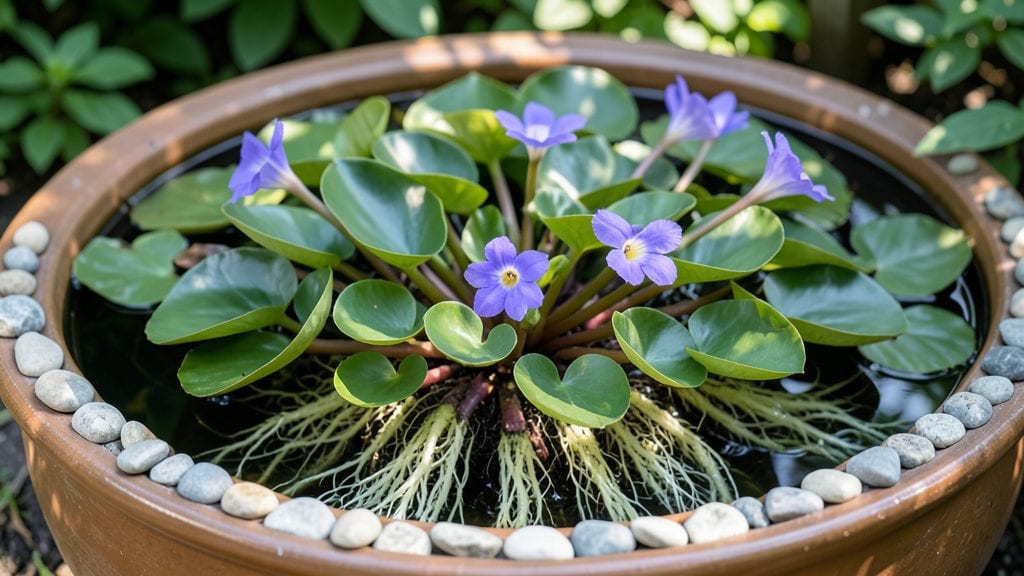
Creating a water garden tub lets you cultivate aquatic plants in a self-sustaining mini-ecosystem that thrives with filtered water, partial sunlight exposure, and oxygenating species like water lilies or hornwort. For fish or koi inclusion, prioritize a tub with built-in filtration and a leak-proof liner, then establish a gravel base and plant layer before adding dechlorinated water.
A water garden tub mimics natural ponds but in a compact, manageable form—ideal for patios or small yards.
The key to success lies in balancing oxygen levels and nutrient cycling; plants absorb excess nutrients while fish (if added) help aerate the water through movement. 🌿 I’ve found that starting with hardy species like water hyacinth or anacharis reduces early maintenance, as they adapt quickly to new environments.
The filtration system isn’t just about clarity—it’s the backbone of your mini-ecosystem, preventing harmful buildup that could stress plants or fish.
For beginners, I recommend starting with a pre-formed tub (20–50 gallons) to simplify setup, especially if space is limited. These often come with integrated pumps and liners, cutting down on DIY headaches.
The gravel layer isn’t just decorative—it houses beneficial bacteria that break down waste, while the plants you choose should include a mix of floating (like duckweed) and submerged varieties (like hornwort) to maximize oxygen exchange.
Pro tip: Test your water weekly for ammonia and nitrites—these invisible toxins are the silent killers of aquatic life.
💡 In This Article
- How Water Garden Tub Ecosystems Work
- Step-by-Step Water Garden Tub Setup Guide
How water garden tub ecosystems work
A water garden tub thrives on a delicate balance of biological processes, primarily the nitrogen cycle, which converts toxic ammonia (from fish waste and decaying matter) into less harmful nitrites and nitrates through beneficial bacteria.
These microscopic organisms colonize the gravel layer, where they multiply in the presence of oxygen—this is why proper aeration is critical.
Without it, ammonia levels spike, stressing plants and fish. 🌊 The cycle works like this: ammonia → nitrites (toxic) → nitrates (plant food), with plants absorbing the nitrates before they accumulate to harmful levels.
The sunlight exposure you provide directly impacts oxygen production and plant growth. Most aquatic plants need 4-6 hours of partial sunlight daily—too much causes algae blooms, while too little stunts growth. Floating plants like water lilies regulate light penetration, creating shade for submerged species.
The tub’s depth matters too: deeper water stays cooler and holds more oxygen, but shallow areas (under 12 inches) warm faster, requiring more oxygenating plants like hornwort or anacharis to compensate.
Filtration systems in pre-formed tubs typically use mechanical filters (removing debris) and biological media (hosting nitrogen-cycle bacteria). DIY setups often rely on sponge filters or uv clarifiers, but these require manual maintenance to prevent clogs.
The substrate—usually 1-2 inches of gravel—serves as both a bacterial home and a root anchor for plants. Coarser gravel (like 1/4-inch river rock) allows better water flow, while finer sand traps debris but can compact over time.
When adding fish or koi, their movement naturally aerates the water, but they also produce waste that accelerates the nitrogen cycle. A 10-gallon tub can support 1 small goldfish or 3-4 inches of koi, but stocking too many disrupts the balance.
The rule of thumb is 1 inch of fish per gallon, but plants must outnumber fish by at least 3:1 to maintain stability. Without this ratio, ammonia levels become unmanageable within 2-3 weeks.
Temperature fluctuations are another critical factor. Most aquatic plants and fish prefer 65-75°F, but tubs heat up faster in direct sun. A submersible heater (set to 72°F) helps in cooler climates, while shade cloth prevents overheating in summer.
The water’s surface tension also matters—ripples from pumps or fish movement increase oxygen exchange, but too much turbulence can stress delicate plants like water hyacinth.
Here’s the key difference between pre-formed and DIY tubs: pre-formed systems often include pre-installed pumps and liners, reducing setup time but limiting customization. DIY tubs (like repurposed plastic bins) offer more flexibility but require extra sealing to prevent leaks. The trade-off?
DIY setups can be 30-50% cheaper but demand more monitoring to maintain balance. For example, a 30-gallon pre-formed tub might cost $150-$250, while a DIY version of the same size could run $80-$120—but the DIY version needs weekly water tests to avoid crashes.
What most people overlook is the role of microorganisms in the gravel. These bacteria aren’t visible but are the unsung heroes—without them, your tub becomes a toxic soup.
To jumpstart your cycle, add a bottle of liquid bacteria starter (available at pet stores) or use gravel from an established pond. This shortcut reduces the 4-6 week natural colonization period to just 1-2 weeks. 🌱 The result?
A stable ecosystem where plants and fish coexist without constant intervention.