
Fertilization
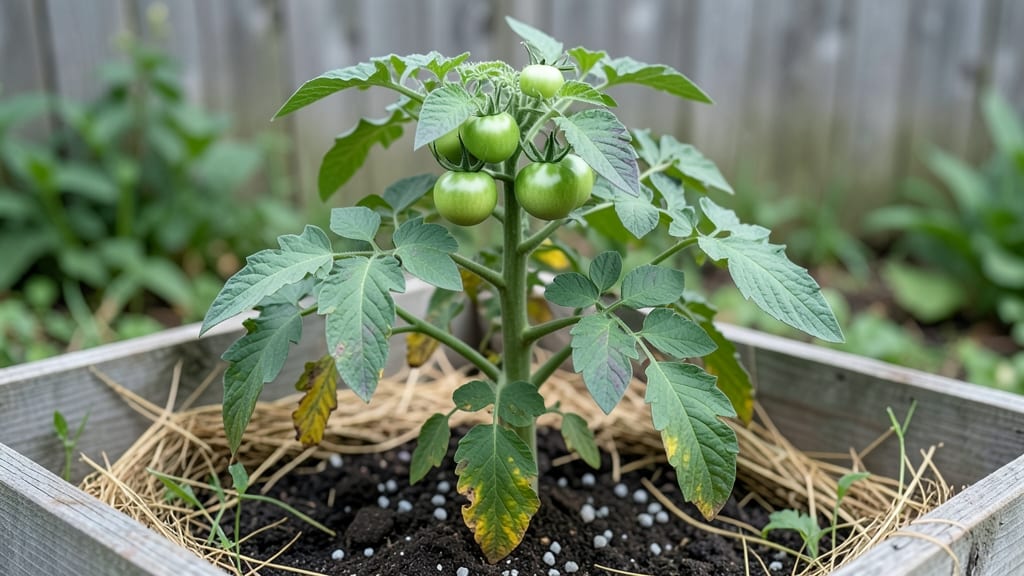
Fertilizing your garden at the right time boosts growth and harvests—so timing matters more than you might think.
Timing your garden fertilization wrong can mean wasted nutrients—or worse, stunted growth. But get it right, and you’ll unlock lush foliage, vibrant blooms, and record-breaking harvests—without overfeeding your plants.
In Zone 6a, the best windows are early spring (March–April) and late summer (August–September), when plants are actively growing but soil stays cool enough to avoid burning roots. A quick feed in fall (October) preps perennials for winter, while winter fertilization is a no-go—dormant plants don’t need it.
Below, I’ll break down the exact schedule for vegetables, flowers, and lawns, plus how to read your garden’s hunger cues so you never fertilize too soon or too late.
Best seasonal fertilization schedule for vegetables, flowers, and lawns
Fertilizing your garden at the right time is like giving your plants a turbo boost—just when they need it most. Cool-season crops like lettuce and broccoli thrive with early spring feeding, while warm-season lovers such as tomatoes and marigolds crave summer nutrition.
Even your lawn has specific windows for optimal growth. Miss these timings, and you risk burning roots or wasting expensive fertilizer on dormant plants.
Think of fertilization as a 4-season rhythm: wake-up calls in spring, mid-season energy drinks in summer, prep-for-winter meals in fall, and complete rest in winter. Each plant type—whether it's vegetables, flowers, or lawns—has its own schedule.
For example, perennials need a light fall feeding, while annuals might need monthly summer boosts. Let's break it down month by month so you never guess again.
| Month | Vegetables (Cool/Warm) | Flowers & Perennials | Lawns | Key Tip |
|---|---|---|---|---|
| January | None (dormant) | None (dormant) | None (winter rest) | Plan your spring fertilizer order! |
| February | None (unless overwintering greens) | Light organic (compost) | None (unless mild climate) | Test soil pH if planting early |
| March | Light feed (cool crops) | Balanced fertilizer (5-10-10) | Early spring lawn food | Apply after last frost date |
| April | Feed every 4 weeks (warm crops) | Slow-release granules | Second spring application | Use fish emulsion for veggies |
| May | Monthly for fruiting plants | Bloom booster (10-20-20) | Pre-emergent if weeds appear | Avoid high nitrogen for flowers |
| June | Light feed (heat stress) | Monthly organic tea | Summer lawn fertilizer | Water deeply after feeding |
| July | High potassium (tomatoes/peppers) | Light feed for perennials | Weed control first, then feed | Avoid late summer nitrogen |
| August | Light feed (fall crops) | Pre-winter root food | Fall lawn prep fertilizer | Use compost for all plants |
| September | None (harvest focus) | Light organic for perennials | Final fall feeding | Stop fertilizing 6 weeks before frost |
| October-November | None (dormant) | None (winter prep) | None (unless overseeding) | Mulch heavily for winter |
| December | None (complete rest) | None (dormancy) | None (winter dormancy) | Plan next year's schedule |
Let's
Signs your garden needs fertilizer (and when to avoid it)
Your garden plants send clear signals when they’re hungry for nutrients—but these signs can also mimic other problems. Yellowing leaves, for example, might mean nitrogen deficiency or simply overwatering.
Learning to distinguish between true hunger and environmental stress is key to avoiding fertilizer mistakes that could harm your plants instead of helping them.
Before reaching for that fertilizer bag, check if your plants are truly lacking nutrients or if they’re struggling due to recent rain, poor drainage, or even too much shade.
For instance, slow growth in early spring might just mean the soil is still cold, not that your tomatoes or roses need feeding. Timing matters just as much as the nutrients themselves.
Wait until after the last frost (typically mid-April in Zone 6a) and soil temperatures reach 60°F+. For cool-season crops like kale or spinach, fertilize lightly in early spring or fall.
For warm-season plants (e.g., peppers, cucumbers), hold off until late spring to avoid burning tender roots. Never fertilize in extreme heat (above 85°F) or during drought—plants can’t absorb nutrients effectively.
One of the most common missteps is fertilizing newly planted seedlings too soon. Young roots are delicate, and high-nitrogen feeds can actually burn them or cause excessive leafy growth at the expense of root development.
Instead, focus on well-draining soil and gentle watering for the first 4-6 weeks after transplanting. Wait until you see new growth before introducing fertilizer.
Poor blooms or small fruits often signal a need for phosphorus-rich fertilizer (look for a high middle number on the NPK label, like 10-20-10). However, if your tomatoes or peppers are flowering but not fruiting, the issue might be too much nitrogen or insufficient sunlight. Move plants to a sunnier spot or switch to a balanced or phosphorus-heavy feed instead.
Don’t fertilize if your plants show signs of stress from recent watering, such as wilting or yellowing edges. Overwatering can leach nutrients from the soil, making it seem like your plants need feeding when they actually need drier conditions and time to recover.
Always water deeply a day or two before fertilizing to help nutrients absorb properly.
For perennials and shrubs, the best time to fertilize is early spring (just as new growth appears) and mid-summer (to support flowering).
Avoid feeding in late summer or fall, as this can encourage tender new growth that won’t survive winter frosts. Lawns follow a similar rule: fertilize in early spring and fall, but skip late summer to prevent winter damage.