Picking
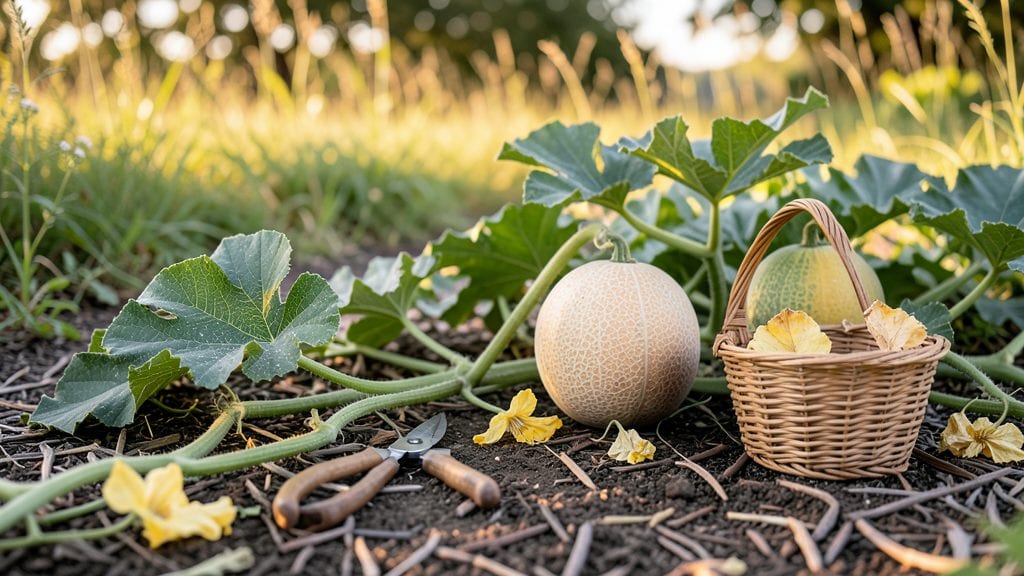
Knowing when to harvest cantaloupe from the garden transforms your patient tending into a burst of honeyed perfection—or a bitter misstep if you’re just a day too soon.
Picking cantaloupe at the perfect moment means the difference between sweet, juicy perfection and a bland, underripe disappointment—here’s how to nail it every time. The key?
Watching for three telltale signs that scream "ready to harvest": a creamy rind near the stem, a sweet aroma that hits you before you even touch it, and a stem that slips free with just a gentle twist.
In USDA Zone 6a, where summer days stretch from July to August, timing matters even more. Plant too early, and the heat arrives before the fruit sets; too late, and you risk a harvest cut short by frost.
I’ve made both mistakes—and learned the hard way that color alone isn’t enough to judge ripeness.
Below, I’ll walk you through the exact cues to look for, when to pull the trigger (or wait another day), and how to handle your harvest once it’s off the vine. No more guessing, just foolproof perfection every time.


5 Visual and physical signs your cantaloupe is ready to harvest
There’s nothing worse than biting into a cantaloupe that’s still hard or bland—it’s the gardener’s version of a letdown. The good news? Cantaloupes give you clear visual and physical cues when they’re ready to pick.
I’ve learned the hard way that ignoring these signs means sacrificing sweetness for disappointment. Let’s break down what to look (and feel) for to ensure you harvest at peak ripeness.
First, focus on the rind color. A ripe cantaloupe’s skin near the stem should transition from dull green to a creamy yellow or beige. This color change signals the fruit’s sugars have fully developed.
If the rind still looks mostly green, it’s not ready yet. I always check this first because it’s the most obvious clue—no need for fancy tools or guesswork.
Next, pay attention to the stem’s condition. When cantaloupes are ripe, the stem near the fruit (called the peduncle) dries out and turns brown. If you gently twist it, it should slip off easily without much resistance.
This is nature’s way of telling you, “It’s time!” I’ve seen gardeners miss this sign and pick too early, ending up with fruit that’s still tough and seedy.
Now, let’s talk about weight and texture. A ripe cantaloupe feels heavy for its size because it’s packed with juice and sugars. Give it a gentle squeeze—if it yields slightly but doesn’t feel mushy, it’s ready.
Overripe cantaloupes get soft and squishy, so timing is everything. I always compare it to a ripe watermelon; the same principles apply.
Your nose knows best—literally. A ripe cantaloupe emits a strong, sweet aroma near the stem. If you can smell that honey-like fragrance from a few feet away, your fruit is ready. I’ve trained myself to sniff cantaloupes like a pro; if it doesn’t smell sweet, it’s not there yet.
This is one of the most reliable indicators, especially in hot climates where fruit ripens quickly.
Finally, check the ground spot. The area where the cantaloupe rests on the soil (called the blossom end) should turn from white to a creamy yellow or light tan. This change happens as the fruit matures.
If it’s still white, the cantaloupe needs more time. I’ve found this trick especially useful for cantaloupes growing on trellises or in containers, where other signs might be harder to spot.
🍈 5 Key Signs Your Cantaloupe Is Ready to Harvest
- 1. Rind Color: Creamy yellow or beige near the stem (not green).
- 2. Stem Condition: Dries, turns brown, and slips off easily when twisted.
- 3. Weight: Feels heavy for its size—packed with juice and sugars.
- 4. Aroma: Strong, sweet fragrance near the stem (smell it from a few feet away!).
- 5. Ground Spot: Blossom end turns creamy yellow or light tan.
Pro Tip: Check these signs in the morning when temperatures are cooler—it’s easier to spot the color changes and aroma.
One mistake I’ve seen new gardeners make is picking cantaloupes based on size alone. Just because it’s big doesn’t mean it’s ripe! Some varieties grow larger but stay hard inside.
Always combine these visual and physical cues for accuracy. For example, a cantaloupe might look ripe but still smell bland—this means it needs more time on the vine.
If you’re growing cantaloupes in hot climates, they ripen faster, so check daily once they’re close. In cooler regions, they might take longer to develop these signs. I’ve had to adjust my harvesting schedule based on weather—patience is key!
Overripe cantaloupes can get mushy and develop off-flavors, so don’t wait too long after these signs appear.
Once you’ve confirmed all five signs, it’s time to harvest. Use a sharp knife or pruners to cut the stem, leaving about an inch attached to the fruit. This helps prevent spoilage. Place the cantaloupe in a cool, dry place (not the fridge) to ripen further if needed.
I’ve found that cantaloupes harvested at the perfect moment taste sweeter and last longer—worth the extra attention!
Remember, every cantaloupe variety has slight variations, but these signs apply universally. The more you practice, the easier it becomes to spot ripe fruit. Next time you’re in your garden, take a moment to sniff, squeeze, and observe—your taste buds will thank you.
How to test cantaloupe ripeness beyond the basics: the 'thump test' and more
Once you’ve checked the basic visual cues like rind color and stem changes, it’s time to dive deeper. Advanced ripeness tests—like the thump test or vine separation—can reveal whether your cantaloupe is truly ready to pick.
These methods help avoid premature harvesting, which often leads to bland, underripe fruit that never develops its signature sweetness.
I’ve learned the hard way that relying solely on color changes can be misleading. Some cantaloupes may look ripe but still need a few more days on the vine. That’s why I now combine physical tests with sensory checks to confirm ripeness.
The key is patience—waiting just a day or two longer can transform a mild melon into a burst-of-flavor masterpiece.
Don’t assume a soft rind or detached stem means your cantaloupe is ready! Overripe fruit often splits open or develops fermented odors. Meanwhile, underripe cantaloupes may pass the thump test but lack sweetness. Always cross-check with seed color and aroma—ripe seeds turn white, and the stem should emit a powerful sweet scent.
The thump test is my go-to method for confirming ripeness. Hold the cantaloupe in one hand and gently thump the blossom end (the flat side) with your other hand. A ripe cantaloupe will produce a deep, hollow sound, almost like knocking on a wooden door.
If it sounds dull or flat, the fruit likely needs more time on the vine. This test works best when combined with other ripeness indicators.
Another foolproof trick is checking how easily the fruit detaches from the vine. When cantaloupes are ripe, the stem near the fruit dries out and turns brown or tan. Gently twist the fruit side to side—if it slips free with minimal effort, it’s ready.
If the stem resists or tears, wait another 1-2 days before testing again. This method is especially useful for heirloom varieties, which often ripen unevenly.
Don’t overlook the seed color as a final check. Cut open a ripe cantaloupe, and you’ll see white or cream-colored seeds surrounded by bright orange flesh. If the seeds are still greenish or yellow, the fruit isn’t fully ripe.
I’ve found that seed maturity is a reliable indicator, especially for organic cantaloupes grown without artificial ripening agents. Pair this with a sweet, musky aroma near the stem, and you’ve got a winner.
Even with these advanced tests, I’ve made mistakes—like picking cantaloupes too early because I misjudged the thump or ignored the vine separation test. One year, I harvested a batch that tasted watery and bland because I rushed them off the vine.
Now, I wait until three out of four tests confirm ripeness: thump test, vine separation, seed color, and aroma. This multi-step approach ensures I never miss the peak sweetness window again.