Picking
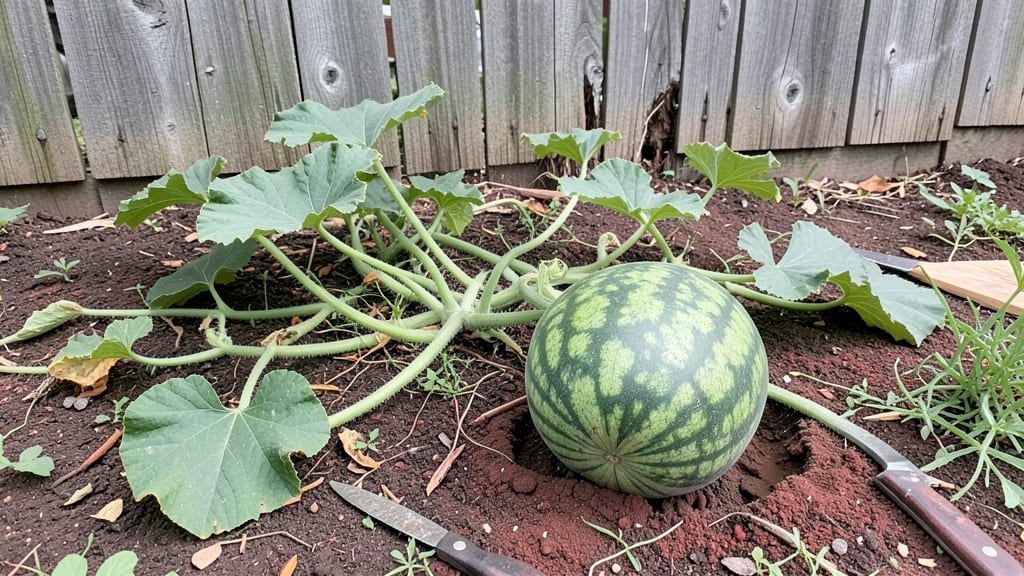
To pick watermelon from your garden at the perfect moment means catching that peak sweetness—when the flesh is juicy, the seeds tender, and the flavor explodes with every bite 🍉.
Nothing beats the sweet victory of harvesting your own juicy watermelon—but timing is everything. Pick too early, and you’ll get bland, seedy disappointment; too late, and your melons may crack or rot. Here’s how to master the perfect harvest window using science-backed methods.
Most gardeners miss the window because they rely on guesswork instead of clear signals. The truth? Watermelons give you three key clues: a creamy spot on the rind, a hollow thump when tapped, and a vine that’s drying up.
Ignore these, and you might end up with a rock-hard melon or one so overripe it’s mushy.
In this guide, I’ll break down the exact visual cues, tactile tests, and environmental factors to time your harvest like a pro—so you’re left with perfectly ripe, restaurant-quality fruit every season.

How to determine watermelon ripeness by color, size & rind texture
Watermelon ripeness starts with visual cues that reveal sweetness and maturity. The field spot (the cream-colored area where the melon rested on the ground) is your first clue—it should turn dull and yellowish or brownish when ripe.
However, some heirloom varieties may never develop this spot, so don’t rely on it alone.
Next, examine the rind texture. A ripe watermelon’s skin will feel slightly firm but dull, not shiny. Press your thumbnail into the blossom end (opposite the field spot)—if it leaves a slight dent, it’s ready.
A hard, springy rind means it’s underripe, while a soft or cracked rind signals overripeness.
Now comes the color consistency check. The entire rind should be deep and uniform—no streaks of green. Dark green stripes or patches?
That’s normal for some varieties like Crimson Sweet, but uneven coloring can mean uneven ripening. Yellow-fleshed varieties (like Yellow Doll) will have a pale, golden hue all over.
Don’t overlook the size benchmarks. Most watermelons reach maturity between 6 to 12 inches in diameter, but this varies by type:
- Sugar Baby: 4–6 lbs (8–10 inches)
- Crimson Sweet: 15–25 lbs (12+ inches)
- Seedless varieties: Often smaller (6–10 lbs)
Here’s where variety differences matter most. Hybrid watermelons (like Sugar Baby) ripen faster and may develop a field spot, while heirloom types (such as Moon and Stars) often stay greenish longer. Always check your seed packet for days to maturity—most take 70–90 days from planting.
Myth buster: The "yellow spot" isn’t a universal ripeness indicator. Some melons (like black-seeded heirlooms) never turn yellow—focus instead on rind firmness and stem color. A ripe watermelon’s stem will turn brown and dry near the fruit, while a green stem means it’s not ready.
Pro tip: Combine visual cues with the thump test for extra accuracy. Tap the melon—if it sounds hollow and deep, it’s ripe. A dull thud? Still firm. This works best on hard-shelled varieties like Charleston Gray.
Finally, watch the vine behavior. The tendril closest to the melon should turn brown and dry, and nearby leaves may yellow. If the vine starts dying back, harvest soon—overripe melons crack and rot quickly in hot weather.
🌱
| Ripeness Cue | What to Look For | Varietal Notes |
|---|---|---|
| Field Spot | Dull, cream/yellow/brown (not shiny) | Heirlooms may lack this spot |
| Rind Texture | Slightly firm, dull (not glossy) | Seedless types often softer |
| Thumbnail Test | Leaves slight dent at blossom end | Works for all varieties |
| Color Uniformity | Deep, consistent (no green streaks) | Yellow-fleshed = pale gold rind |
| Stem Color | Brown/dry near fruit (not green) | Hybrids dry faster than heirlooms |
| Size Benchmark | 6–12" diameter (varies by type) | Sugar Baby = 8–10"; Crimson Sweet = 12"+ |
| Thump Test | Hollow, deep sound when tapped | Best for hard-shelled types |
| Tendril Sign | Brown/dry near melon | Vine may yellow nearby |
Regional climate plays a role too. In hot, dry areas, watermelons ripen faster and may overripe quickly—harvest when the field spot dulls, even if the vine isn’t fully brown. In cooler climates, extend the timeline by 1–2 weeks and prioritize stem color over size.
For seedless varieties, trust the rind texture and thump test more than color, as their thinner skins can trick you. And remember: overripe melons lose sweetness and develop off flavors, so when in doubt, harvest slightly early and taste-test one!
🌿
The thump test, vine signs & other pro tips for perfect harvest timing
Beyond color and size, your watermelon’s ripeness reveals itself through subtle tactile cues and vine behavior. The thump test is my go-to method—tap the melon with your knuckles.
A deep, hollow sound means it’s ready, while a dull thud signals underripeness. This works because ripe melons develop air pockets inside, amplifying the sound.
Don’t overlook the vine’s signals. When the tendril nearest the melon turns brown and crispy, it’s nature’s countdown. Also, check for a dull cream-colored spot where the melon rested on the ground—this fades as sugar develops.
If your melon’s skin feels slightly rougher than when young, that’s another green light.
⚠️ callout warning
🚨 Red Flags: Overripe Watermelons
🔴 Soft spots when pressed—these bruise easily and spoil fast.
🔴 Cracked rind from dehydration; salvage by storing in a cool, dry place.
🔴 Sour smell near the stem—this means fermentation has started.
💡 Pro Tip: Cut open a suspicious melon near the seed cavity. If the seeds are dark brown and the flesh deep red/orange, it’s still good!
Heat waves and humidity can trick you into picking too early. If your region’s nighttime temps drop below 50°F (10°C), melons may stall ripening. In these cases, use a black plastic mulch to warm the soil and speed up maturity.
Conversely, high humidity can delay ripening—watch for mold on leaves, a sign to harvest sooner.
For the stem test, grip the vine near the melon and twist gently. If it snaps cleanly (like celery), it’s ripe. If it stretches, the melon needs more time.
This test works because the stem’s cell structure weakens as sugars develop. Pair it with the thump test for 90% accuracy—no guesswork!
If you’ve missed the window, don’t toss those overripe melons. Cut them open and blend the flesh into smoothies or freeze the cubes for summer treats. The seeds can even be roasted for a crunchy snack. Waste not—just adapt!
Pro tip: Harvest on a cool morning after dew has dried. This preserves the melon’s sugar content and reduces bruising. Store in a shady, dry spot for up to 2 weeks, or refrigerate for longer shelf life.