
Tools
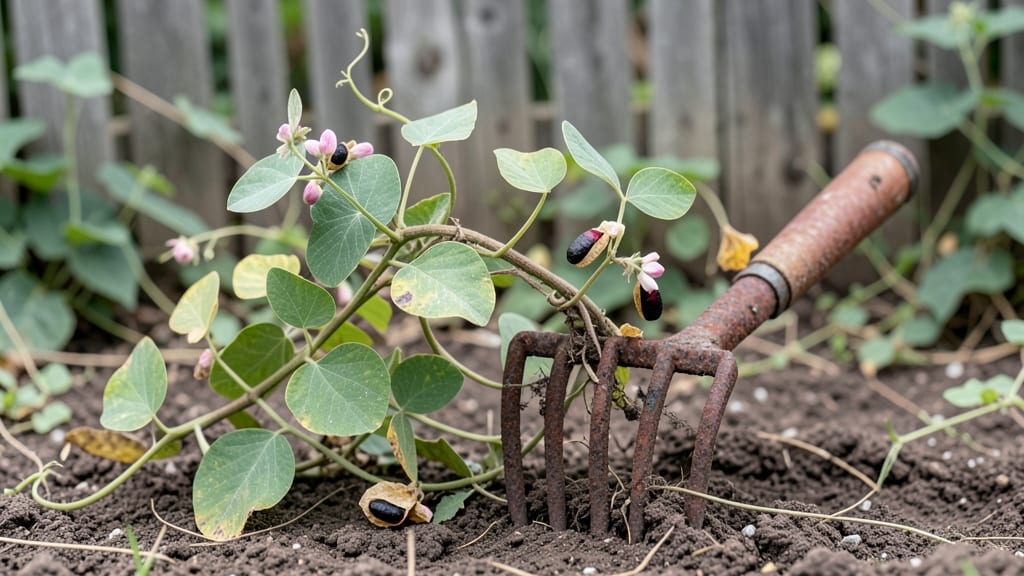
The world's deadliest garden contains highly poisonous plants like castor beans, oleander, and foxglove, which can cause fatal poisoning if touched, ingested, or improperly handled. These plants grow easily but require extreme caution to prevent accidental exposure.
The most dangerous plants in this category contain toxins that attack vital organs—castor beans release ricin, a protein that shuts down cellular protein production, while foxglove's cardiac glycosides disrupt heart rhythms. 🌿 Even a single leaf of oleander can kill an adult, yet its striking flowers make it a popular ornamental plant.
I've seen gardeners unknowingly grow these species for years without realizing the risks until an accidental poisoning occurred.
What makes these plants so insidiously dangerous is how easily their toxins can enter the body. Inhaling crushed castor bean pods releases airborne ricin particles, while foxglove's attractive blooms may tempt children or pets.
The key to safely cultivating them lies in strict handling protocols, including wearing gloves, storing seeds securely, and properly disposing of plant debris through hazardous waste programs.
💡 In This Article
- Deadly Plant Toxins and Their Effects
- Safely Growing High-Risk Garden Plants
Deadly plant toxins and their effects
The most lethal plants in cultivation contain toxins that hijack fundamental biological processes. Ricin from castor beans, for example, works by irreversibly binding to ribosomes—the cell's protein factories—preventing them from assembling new proteins.
A single gram of purified ricin could theoretically kill 15,000 people, though real-world doses are typically much smaller due to rapid onset of symptoms within 6-48 hours.
The toxin's mechanism is so precise that it doesn't degrade proteins already made, but stops all new production, leading to organ failure. 🔥
Foxglove's cardiac glycosides, like digoxin, take a different approach by interfering with the sodium-potassium pump in heart cells. This disrupts the electrical signals that regulate heartbeat, causing dangerous arrhythmias that can be fatal within 2-6 hours of ingestion.
What's particularly insidious is that these compounds can be absorbed through skin contact or even inhalation of crushed leaves. Oleander's toxins work similarly but also contain saponins that damage cell membranes, leading to widespread tissue destruction.
The lethal dose for oleander is estimated at just 0.5-1 gram of leaves for an adult.
The symptoms of poisoning vary dramatically between these plants but often include initial gastrointestinal distress—nausea, vomiting, and diarrhea—that many victims dismiss as food poisoning. With ricin, this progresses to severe dehydration and multi-organ failure, while foxglove poisoning causes visual disturbances (seeing halos around lights) and irregular pulse before cardiac arrest.
Oleander victims may experience muscle weakness and respiratory failure from fluid buildup in the lungs. The key difference is timing: ricin's effects develop slowly over days, while cardiac glycosides act within hours. 💛
What makes these plants particularly dangerous in garden settings is how their toxins persist long after the plant dies. Ricin remains active in castor bean meal for years, while foxglove seeds can retain their toxicity for decades. Even dried plant material can release airborne toxins when disturbed.
The lethal potential isn't just about ingestion—skin contact with crushed leaves or accidental inhalation during pruning can be fatal. This persistence explains why gardeners often unknowingly cultivate these plants for years before realizing the risks.
Comparing the toxicity mechanisms reveals why some plants are more lethal than others. Ricin's protein synthesis inhibition is particularly devastating because it affects all cells simultaneously, while cardiac glycosides target a specific organ system.
The difference in potency can be measured in micrograms: ricin's LD50 (lethal dose for 50% of test subjects) is about 0.005 milligrams per kilogram of body weight, while foxglove's is roughly 0.2 milligrams per kilogram.
This means ricin is about 40 times more potent by weight, though both are deadly in small quantities. 🌟
Understanding these mechanisms helps explain why some gardeners survive accidental exposures while others don't. The critical factor is often the route of exposure—ingestion is more predictable in its effects than inhalation or absorption through broken skin.
For example, ricin poisoning from contaminated castor bean flour (like in the 1978 Bulgarian dissident assassination) takes days to develop, giving victims time for medical intervention if they seek help early.
In contrast, foxglove poisoning from eating just a few leaves can cause cardiac arrest within hours, leaving little time for treatment.