Picking
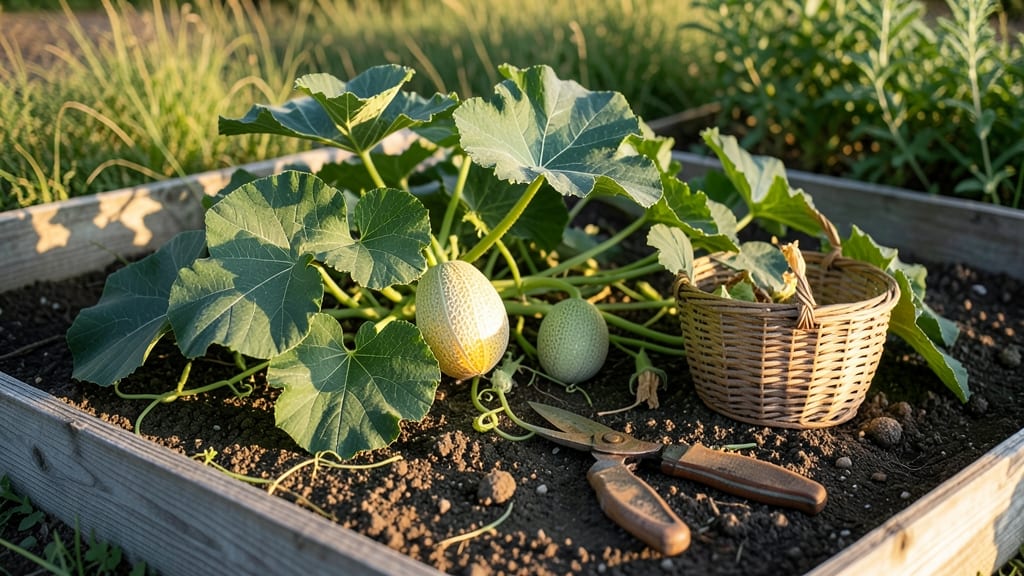
Picking cantaloupe from your garden at just the right time means the difference between a burst of sweetness and a meal of bland disappointment.
Cantaloupes are a gardener’s sweet victory—but picking them too early or too late means bitter disappointment. Mastering the perfect moment to harvest ensures juicy, flavorful fruit every time.
You’ll know the moment is right when the rind turns from green to a creamy yellow, the stem slips free with a gentle twist, and a sweet aroma fills the air. These three key signs—color, texture, and scent—are your foolproof guide to harvesting at peak ripeness.
In this guide, I’ll walk you through how to spot these signs, test for ripeness like a pro, and avoid the common mistakes that leave you with underripe or overripe fruit.


3 Unmistakable signs your cantaloupe is ready to pick
There’s nothing quite like the moment you realize your cantaloupe is finally ready to harvest. But how do you know it’s perfect and not just almost there? The key lies in three simple yet foolproof signs that combine visual cues, scent signals, and touch tests.
Ignore these, and you might end up with fruit that’s either bland or overly mushy. Let’s break down what to look for so you never miss the sweet spot again.
First, let’s address the biggest mistake gardeners make: relying on fruit size alone. A cantaloupe can look big but still be underripe, or appear ripe but be past its prime. That’s why we focus on color changes, stem separation, and aroma—the real indicators of perfection.
These three signs work together like a symphony, ensuring you pick your cantaloupe at its peak flavor and texture.
Here’s the game-changer: the blossom end (the side where the stem was attached) holds the most critical clues. This is where you’ll find the yellow-brown discoloration that signals ripeness, along with a subtle sweetness that’s impossible to ignore.
Pair that with the right rind texture and vine detachment, and you’ve got a foolproof method for harvesting cantaloupes that taste like summer in every bite.
- 1. Rind Color & Texture: The cream or tan rind with slight netting is your first green light. Press gently near the blossom end—it should feel slightly soft (not mushy) and give just a little under your fingers. A hard rind means it’s not ready yet, while a dull or wrinkled rind signals overripeness.
- 2. Blossom End Color: The stem side (blossom end) turns from white or green to a yellow-brown hue when ripe. This color change is your second confirmation that the fruit is ready. If it’s still white, wait a few more days. If it’s dark brown or dried out, the cantaloupe may be past its prime.
- 3. Stem Separation & Scent: Gently twist the fruit at the stem. If it detaches easily with a slight tug, it’s ready. Pair this with a sweet, musky aroma at the blossom end—this is the third and final clue. No scent? Not ripe yet. Too strong or fermented? It’s overripe.
Let’s talk about the rind texture for a moment, because this is where many gardeners trip up. A ripe cantaloupe’s rind should be firm but yielding—like the skin of a ripe peach. If it feels hard as a rock, the fruit inside is likely still developing.
On the flip side, if it’s soft or leathery, the cantaloupe has overstayed its welcome. Think of it as the Goldilocks rule: not too hard, not too soft, but just right.
Now, here’s a trick I learned from years of gardening: listen to your cantaloupe. Give it a gentle tap near the blossom end. A ripe cantaloupe will produce a deep, hollow sound, almost like a drum.
An unripe one sounds dull or solid, while an overripe one might feel squishy and sound flat. This sound test is a quick way to double-check your visual and touch assessments, especially when you’re harvesting multiple fruits at once.
One of the most common mistakes I see is picking cantaloupes based on size alone. A cantaloupe can grow to a large size but still be underripe if it lacks the other signs. Always prioritize the color, scent, and texture over the fruit’s diameter.
I’ve had cantaloupes that were small but perfectly ripe and others that were huge but tasteless. Size is a secondary indicator, not the primary one.
Regional climate plays a role too. In hotter climates, cantaloupes may ripen faster and need to be checked every 2-3 days. In cooler areas, they might take longer to develop, so patience is key.
Always adjust your harvesting schedule based on weather patterns and local growing conditions. For example, a sudden heatwave can speed up ripening, while cool nights might slow it down.
Finally, don’t forget to rotate your cantaloupes as they grow. This prevents the fruit from developing uneven shapes or blind spots where ripeness cues might be harder to spot.
A well-shaped cantaloupe is easier to assess for color changes and texture, making your harvest decisions simpler. Plus, it just looks better on the vine!
When you’ve confirmed all three signs—rind color, blossom end hue, and scent and touch—it’s time to pick. Use a sharp knife or your hands to twist gently at the stem.
Avoid yanking the fruit, as this can damage the vine. Now, take a deep breath and savor that sweet, musky aroma—you’ve earned it!
How to test cantaloupe ripeness like a pro: the nose knows
Your cantaloupe might look ready, but tricking your senses is its specialty. Overripe fruit smells like rot, while underripe fruit hides its potential behind a hard exterior and no scent.
The secret? Trusting your nose, fingers, and ears together. These sensory tests reveal the perfect moment to harvest—before the fruit turns mushy or bland.
Start with the blossom end, the flat spot where the stem meets the fruit. This is where sweetness and ripeness first appear. A ripe cantaloupe will have a golden-brown hue here, almost like a sun-warmed peach.
If it’s still white or green, the fruit needs more time. This visual cue is your first clue, but don’t stop there—your nose will confirm it.
Next, give the cantaloupe the thump test. Hold it in both hands and gently tap the side near the blossom end. A ripe cantaloupe will sound hollow and deep, like knocking on a wooden door.
If it sounds dull, it’s not ready. This test works because the seeds inside soften as the fruit ripens, creating more air space. Listen closely—your ears are part of the team!
Now, press your thumb into the blossom end. A ripe cantaloupe will give slightly under gentle pressure, like pressing your cheek. If it feels rock-hard or mushy, it’s either too soon or too late.
The net-like pattern on the rind should also darken to a cream or tan color. This isn’t just for looks—it’s nature’s way of signaling peak sweetness and flavor.
Finally, take a deep sniff at the stem. A ripe cantaloupe will fill your nose with a sweet, musky aroma, almost like a mix of honey and fresh-cut grass. If it smells sour, fermented, or like nothing at all, it’s not ready.
Pro tip: Smell the stem first thing in the morning—cooler temperatures enhance the scent, making it easier to detect.
Combine these tests for foolproof results. A cantaloupe that passes the color, thump, touch, and smell checks is ready to harvest. Cut the stem with a clean knife, leaving a 1-inch stem attachment to protect the fruit.
Store it at room temperature for 3-5 days to let flavors fully develop—then enjoy the sweet reward of your gardening efforts! 🍈