Planting
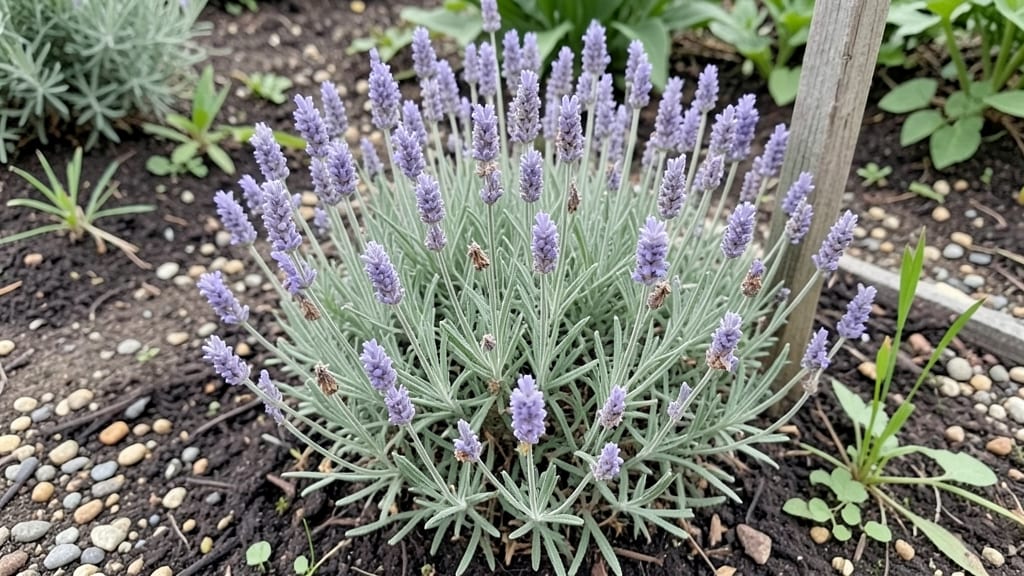
Zone three gardening thrives with cold-resistant plants like coneflowers, Russian sage, and hardy perennials that survive subzero winters, using techniques like mulching, raised beds, and frost blankets for protection.
Zone three gardening turns harsh winters into an advantage by selecting plants that naturally withstand subzero temperatures and using smart protection strategies. 🌱 The USDA Zone 3 climate—with average minimum temperatures between -40°F and -30°F—demands plants with deep root systems and waxy foliage to prevent freeze damage.
I've found that layering straw mulch around perennials can raise soil temperatures by 5-10°F, giving roots critical insulation during extreme cold snaps.
What sets Zone 3 gardening apart is how it leverages microclimates—south-facing walls, rock piles, or even dense shrubbery can create pockets where temperatures stay 5-15°F warmer than open areas.
This allows you to push the limits of what you can grow, like catmint or yarrow, which thrive in these sheltered spots. The key is balancing hardy plants with protective structures, so you're not just surviving winter but actually extending your growing season.
💡 In This Article
- Cold-Hardy Plants for Zone 3 Survival
- Frost-Protection Techniques for Zone 3 Gardens
Cold-hardy plants for Zone 3 survival
The science behind Zone 3 hardiness lies in how plants physiologically resist freezing. Most cold-hardy species produce antifreeze proteins that bind to ice crystals, preventing them from growing large enough to rupture cell walls.
For example, coneflowers (Echinacea) contain these proteins naturally, allowing them to survive -30°F temperatures while maintaining cellular integrity. Their deep taproots also extend 3-5 feet underground, accessing water and nutrients that shallow-rooted plants can't reach during winter's grip.
Zone 3's climate—characterized by 120-180 frost-free days annually—demands plants with waxy leaf coatings and high sugar content in their tissues. Russian sage (Perovskia) exemplifies this adaptation: its silvery foliage reflects sunlight while its high sugar levels act as a natural antifreeze.
Annuals like Larkspur and Sweet Alyssum also thrive here because they complete their life cycle quickly before winter sets in, avoiding prolonged cold exposure.
What most gardeners don't realize is how plant dormancy works in extreme cold. During winter, hardy perennials like Catmint (Nepeta) enter a state where their metabolic processes slow dramatically, reducing water loss and preventing freeze damage.
Their stems often die back completely, but the roots remain alive below the frost line, ready to regenerate when temperatures rise. This survival mechanism is why these plants can bounce back year after year with minimal intervention.
Zone 3's growing season typically spans from mid-May to early October, but strategic plant selection can extend this window. For instance, Swiss Chard and Kale can handle light frosts (25-30°F) and even improve in flavor after cold snaps.
Their ability to photosynthesize at lower temperatures gives them an edge in short growing seasons. The key is choosing varieties bred for cold tolerance, like 'Winterbor' Kale, which can withstand -15°F temperatures.
Soil temperature plays a crucial role too. In Zone 3, soil rarely warms above 50°F until late spring, which is why cold-hardy plants with fast germination rates (like Radishes and Peas) are ideal.
Their seeds can sprout at 40-45°F soil temperatures, giving them a head start before summer's heat arrives. This early growth advantage is what allows gardeners to squeeze in multiple harvests before frost.
One surprising adaptation is how some plants use insulation strategies to protect themselves. For example, Lamb's Ear (Stachys byzantina) has densely hairy leaves that trap air, creating a microclimate that insulates the plant from rapid temperature fluctuations.
This fuzzy texture isn't just for show—it's a biological adaptation that helps maintain stable internal temperatures during freeze-thaw cycles that can damage less protected plants.
The bottom line? Zone 3 gardening succeeds by working with nature's extremes rather than against them. Choosing plants that have evolved these cold-resistance mechanisms means less work for you and more reliable results.
Once you understand these physiological adaptations, you'll see how even the harshest winters can become an asset in your garden. 💫