
Pests and Diseases
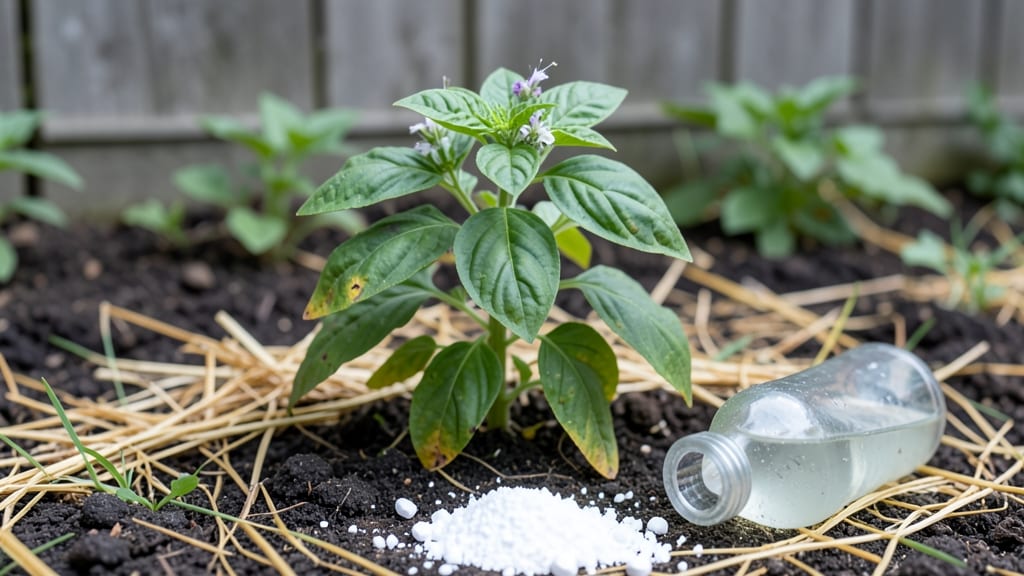
Using aspirin for garden care involves dissolving crushed tablets in water to create a natural fungicide, pest repellent, and plant growth booster that strengthens roots and improves disease resistance when applied as a foliar spray or soil drench.
This household staple contains salicylic acid, which triggers plants' natural defense systems—think of it as a gentle immune system booster. 🌱 I’ve seen firsthand how a simple aspirin spray can turn around fungal issues like powdery mildew or even deter aphid infestations by making leaves less appealing to pests.
The key is consistency: applying it every 2-3 weeks during growing seasons keeps plants proactive against stress, not just reactive.
For best results, I recommend starting with 1 crushed aspirin per quart of water—this concentration works for most vegetables and flowers without risking plant damage.
Always test on a small leaf first, especially with sensitive plants like tomatoes or peppers, since salicylic acid can sometimes cause leaf burn if overused.
What sets aspirin apart is its dual action: it doesn’t just mask symptoms but primes plants to fight off future threats. Unlike chemical fungicides, this method is completely organic and safe for edible gardens when used correctly.
Just remember to store your spray mix in a cool, dark place and use it within 24 hours for maximum effectiveness.
💡 In This Article
- How Aspirin Works in Plant Care
- Safe Aspirin Garden Spray Recipes and Application Tips
How aspirin works in plant care
The magic happens because aspirin contains salicylic acid, a natural plant hormone that triggers systemic acquired resistance (SAR). When plants detect this compound, they activate their immune system—similar to how your body responds to a vaccine.
Salicylic acid mimics the plant's own stress signals, prompting it to produce protective proteins and antioxidants that fend off pathogens. This is why aspirin spray works so well against fungal infections like powdery mildew or early blight.
Here's what's actually happening at the cellular level: salicylic acid binds to specific receptors in plant cells, initiating a cascade that strengthens cell walls and boosts production of phenolic compounds—natural fungicides.
Studies show that treated plants can reduce disease severity by up to 50% compared to untreated samples. The effect isn't immediate but builds over 2-3 applications, creating long-term resilience. 🌱
What makes this particularly clever is how salicylic acid works systemically—meaning it moves throughout the plant via the phloem, not just staying on the surface like many fungicides. This is why a foliar spray can protect both treated leaves and new growth.
The concentration matters: 1 crushed aspirin per quart of water provides about 0.001% salicylic acid, which is potent enough to trigger defenses without causing phytotoxicity in most plants.
Interestingly, this mechanism is similar to how plants naturally respond to mild stress—like slight drought or temperature fluctuations. When you apply aspirin, you're essentially giving plants a "heads-up" about potential threats, allowing them to prepare their defenses proactively.
This is why it works so well as a preventive measure rather than just a treatment for existing problems.
The science gets even more fascinating when you consider how salicylic acid interacts with other plant hormones. It actually suppresses ethylene production (the hormone responsible for fruit ripening and senescence), which can delay aging in leaves and extend their protective function.
This dual action explains why aspirin-treated plants often show improved overall vigor and faster recovery from damage.
One important nuance is that the effectiveness varies by plant type. Leafy greens and herbs typically respond best because their large surface area allows for better absorption. Woody perennials may require more frequent applications since their thicker cuticles can be less permeable to the salicylic acid.
Always start with a 1:4 dilution (1 aspirin per quart) and monitor for any signs of leaf burn, especially in sensitive varieties like basil or lettuce.
The bottom line is that aspirin doesn't just mask symptoms—it primes your plants' natural defenses like a biological shield. When used correctly, it's one of the most gentle yet effective organic tools for maintaining plant health throughout the growing season. 💫