Neem Oil
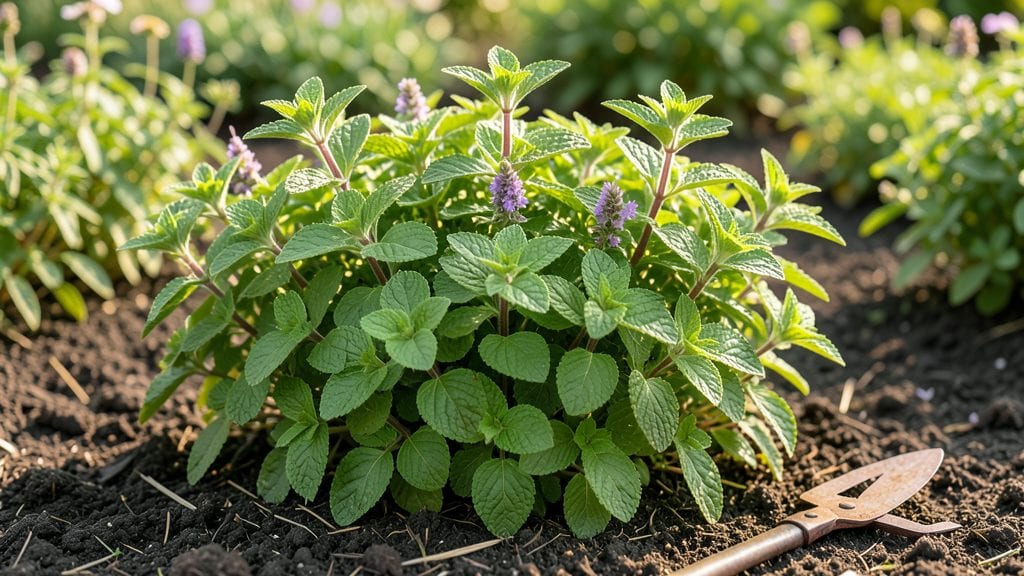
Peppermint oil in gardens acts as a powerful natural pest deterrent against ants, aphids, and deer, but must be diluted properly (10-15 drops per gallon of water) and applied carefully to prevent plant damage or harming beneficial insects.
Peppermint oil’s effectiveness comes from its high menthol content, which disrupts pests' scent trails and masks plant odors that attract them. 🌿 The oil’s strong aroma confuses insects like ants and aphids, making them avoid treated areas—though it won’t eliminate established colonies.
For best results, apply during early morning or late evening when pests are most active, and reapply after rain. Always test a small leaf first, as some plants (like mint family members) may react poorly.
When used correctly, peppermint oil can enhance garden health by reducing chemical pesticide reliance. However, its potency means precision matters—overapplication can stress plants or deter pollinators like bees. For a balanced approach, pair it with companion planting (like basil or lavender) to amplify its natural pest-control benefits.
💡 In This Article
- How Peppermint Oil Works as a Natural Pest Repellent
- Safe Application Methods and Dosage Guidelines for Garden Use
How peppermint oil works as a natural pest repellent
The secret weapon in peppermint oil is its menthol and menthone compounds, which create a sensory overload for pests. These chemicals overwhelm an insect's olfactory receptors, disrupting their ability to follow scent trails—like ants following pheromone paths or aphids locating host plants.
Menthol, specifically, triggers a cooling sensation in insects that feels physically uncomfortable, making treated areas unappealing. 🔥 For example, a single drop of peppermint oil contains about 40-50% menthol, far exceeding what pests can tolerate.
Science shows these compounds also mask plant odors that attract pests. Plants release volatile organic compounds (VOCs) to signal readiness for pollination or seed dispersal, but these same signals attract hungry insects.
Peppermint oil's strong aroma—up to 100 times more potent than spearmint oil—drowns out these VOCs, creating an invisible shield. Studies on aphids reveal they avoid surfaces treated with even 0.1% peppermint oil concentration, demonstrating its effectiveness at surprisingly low doses.
What makes this especially intriguing is how peppermint oil targets specific pests differently. Deer, for instance, are deterred by the oil's intense minty scent, which they associate with toxic plants. Meanwhile, ants—whose trail-following relies heavily on pheromones—get completely disoriented when their scent markers are overwhelmed.
The key here is that beneficial insects like bees and ladybugs, which have different sensory adaptations, remain largely unaffected when applied correctly. 🌿
However, the oil's potency means precision matters. Pure peppermint oil can cause phytotoxicity—burning plant leaves—because its high concentration of monoterpenes (like limonene) can disrupt cell membranes at close range. That's why proper dilution (typically 10-15 drops per gallon of water) is critical.
This dilution creates a 0.5-1.5% solution, strong enough to repel pests but safe for most garden plants when applied properly.
Timing plays a crucial role too. The oil's effectiveness peaks when applied during early morning or late evening, when pests are most active but temperatures are cooler. Heat causes the oil's volatile compounds to evaporate faster, reducing its residual protection.
For example, a spray applied at 70°F will last about 48 hours, while the same spray at 90°F may degrade within 12 hours. This is why gardeners in hot climates often need to reapply more frequently. 💫
The oil's mechanism extends beyond just scent—it also physically alters pest behavior. Research shows that ants exposed to peppermint oil exhibit increased grooming behaviors, suggesting the oil irritates their exoskeletons.
Meanwhile, aphids show reduced feeding activity when exposed to treated leaves, likely due to both the scent and the oil's mild repellent properties on leaf surfaces. This dual-action approach makes peppermint oil one of the most versatile natural pest control options available.