
Vegetables
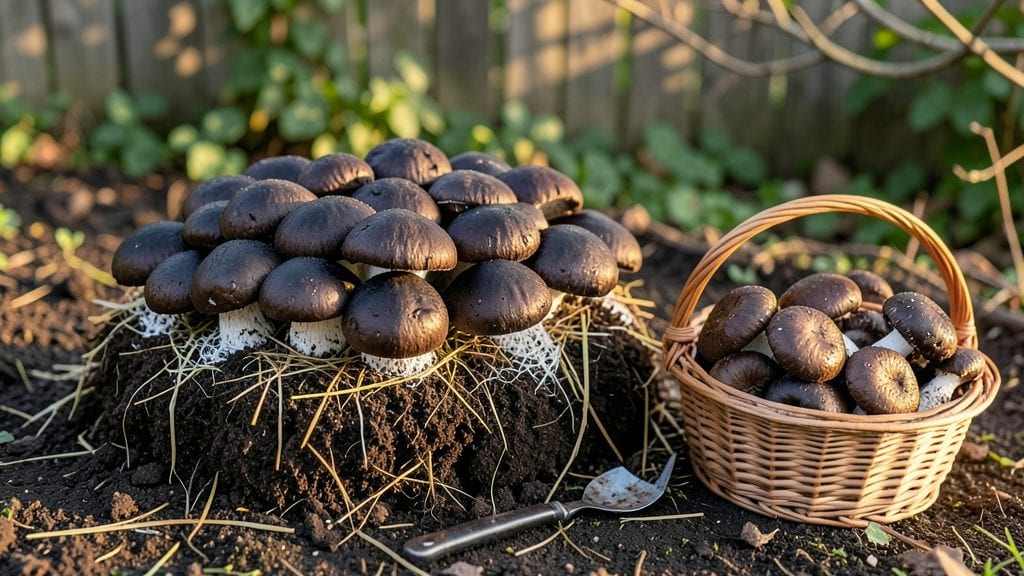
Growing black garden mushrooms in your backyard transforms a shady corner into a productive harvest zone—no greenhouse or fancy equipment required.
I’ve grown Coprinus comatus and Auricularia species for years, and the secret lies in mimicking their natural forest-floor conditions with just a few simple adjustments to soil, moisture, and shade. The first flush arrives in as little as 3-4 weeks once you nail the substrate mix and watering routine.
These mushrooms thrive in cool, moist environments with partial shade, making them perfect for under trees or along north-facing fences. Start with a sterile mix of hardwood sawdust, straw, or well-aged compost—no need for expensive kits.
Keep the substrate damp (like a wrung-out sponge) and shield it from direct sun, which turns their delicate caps into rubbery messes. Patience pays off: a single patch can yield pounds of harvests over a season with minimal upkeep.
Common challenges like contamination or slugs are easy to prevent with proper spacing and occasional checks for pests. Once established, your patch will regenerate for months, producing tender, earthy mushrooms that taste better than store-bought.
The key is consistency—water when the top inch feels dry, avoid overcrowding, and harvest before the caps fully open. You’ll know you’ve succeeded when neighbors start asking where you’re getting your mushrooms.
This technique works in containers or directly in garden beds, adapting to small urban plots or larger backyard spaces. Whether you’re growing for flavor, sustainability, or just the thrill of cultivating something unusual, black garden mushrooms deliver reliable results with minimal fuss. Let’s get those mycelium networks growing!
Understanding Dark Spots on Mushrooms
If your garden mushrooms are developing dark, discolored patches or turning black, it’s usually a sign of stress—or worse, a fungal or bacterial infection. While some darkening is natural (like the cap edges darkening as they mature), sudden or widespread black spots can stifle your harvest.
Let’s break down the most common causes and why they happen, so you can take action before your crop suffers.
Mushrooms thrive in cool, consistent temperatures—typically between 55–65°F (13–18°C) for most varieties like oyster or button mushrooms. When temperatures spike above 75°F (24°C) or drop below 45°F (7°C), their delicate mycelium (the root-like network) weakens, leading to:
- Blackening of caps or stems due to oxidative stress (cell damage from extreme heat or cold).
- Premature spoilage—high heat accelerates enzyme activity, causing rapid breakdown of pigments and tissues.
- Reduced oxygen uptake in cold conditions, leading to anaerobic (oxygen-starved) zones where harmful bacteria thrive.
Why it happens: Extreme temps disrupt the mushroom’s natural respiration process. Heat denatures proteins in the cell walls, while cold slows metabolic functions, making them vulnerable to infections like Botrytis (gray mold) or Trichoderma (green mold).
Actionable fix:
- 🌡️ Use a thermometer in your growing chamber (even a DIY setup with a bucket of water and a floating thermometer works).
- 💡 If temperatures rise, increase airflow with a small fan (but avoid direct drafts).
- ❄️ For cold snaps, insulate with bubble wrap or move containers to a shaded, sheltered spot.
Mushrooms need high humidity (80–90%) but detest soggy conditions. When substrate (growing medium) stays waterlogged, it creates the perfect breeding ground for:
- Black mold (Aspergillus or Rhizopus), which thrives in anaerobic, water-saturated environments.
- Bacterial blotch, causing dark, sunken lesions on caps (often smelling foul).
- Root rot, where mycelium turns black and mushy from lack of oxygen.
Why it happens: Excess water displaces oxygen in the substrate, suffocating the mycelium. Anaerobic bacteria then outcompete beneficial fungi, leading to decay. Darkening occurs as melanin (a natural pigment) overproduces in response to stress.
Actionable fix:
- 💧 Water only when the top 1–2 inches of substrate feel dry—use a spray bottle or misting system for even moisture.
- 🚰 Ensure proper drainage: Drill holes in containers or use a tray with pebbles to collect excess water.
- 🌬️ Boost airflow with a small fan (run it 10–15 mins daily) to prevent stagnant moisture.
Dark, irregular black spots with a fuzzy texture or watery edges are classic signs of contamination. The most common culprits:
| Contaminant | Appearance | Cause |
|---|---|---|
| Trichoderma (green mold) | Black/green fuzzy spots, often with a metallic sheen. | Competes with mushroom mycelium; spreads via spores in air or tools. |
| Botrytis cinerea (gray mold) | Dark, sunken patches with gray fuzzy growth. | Thrives in high humidity and poor airflow. |
| Bacterial blotch | Black, oily lesions with a rotten smell. | Introduced via contaminated substrate or tools; worsens with heat. |
Why it happens: Contamination occurs when:
- 🧪 Sterilization fails: Spores survive pasteurization or boiling (e.g., in homemade substrate).
- 🔄 Cross-contamination: Reusing tools, trays, or gloves without cleaning.
- 🌱 Weak mycelium: Stressed mushrooms (from poor temps or light) can’t outcompete invaders.
Actionable fix:
- 🔥 Sterilize everything: Boil tools for 10+ mins or use a 10% bleach solution (1 part bleach to 9 parts water). Rinse well.
- 🧴 Use hydrogen peroxide (3%) to disinfect trays between batches.
- 🚫 Isolate infected batches immediately—don’t reuse substrate or tools.
Mushrooms grow best in indirect, low light (think dim forest floors). Too much light or rough handling triggers:
- Blackening at the tips of caps (from oxidation, like a cut apple turning brown).
- Bruising where stems or caps are crushed, creating entry points for bacteria.
- Premature aging, where mushrooms darken and toughen faster.
Why it happens: Light triggers photosynthesis-like reactions in mushroom tissues, producing melanin (the pigment behind dark spots). Physical damage breaks cell walls, exposing them to air and microbes.
Actionable fix:
- 🌿 Shade your grow area with a light-colored cloth or cardboard if using natural light.
- 🧤 Handle mushrooms gently: Use a knife to harvest (twist gently for oyster mushrooms) and avoid dropping them.
- 💡 Store harvested mushrooms in a paper bag (not plastic) to slow oxidation.
Pro Tip: 🔍 When in doubt, inspect the substrate first. If the mycelium looks healthy (white and fluffy), the issue is likely environmental (temp, water, light). If it’s slimy, discolored, or smells off, contamination is the culprit.
Fixing Common Black Mushroom Growing Mistakes
Growing black garden mushrooms—like Shiitake or Oyster varieties—can be incredibly rewarding, but even experienced gardeners hit snags. Whether your mushrooms are refusing to sprout, turning slimy, or growing too slowly, these fixes will get your harvest back on track.
Below, we’ve mapped out the most common issues and their practical solutions, plus tips to prevent future problems.
Cause: Low humidity, improper substrate, or incorrect temperature. Fix:If your mushroom logs or bags aren’t showing signs of life after 2–4 weeks, don’t panic—just adjust these key factors:
- 🌡️ Check Temperature: Most black garden mushrooms thrive between 60–75°F (15–24°C). Use a small thermometer to monitor your growing space. If it’s too cold, move logs to a warmer spot (like near a sunny window or under a heat lamp). If it’s too hot, relocate to a cooler basement or shaded area.
- 💧 Increase Humidity: Mushrooms need 80–90% humidity to sprout. Place a humidifier nearby or mist the logs/bags 2–3 times daily with a spray bottle. For outdoor logs, wrap them in damp burlap or place them in a shaded, sheltered spot.
- 🔄 Refresh the Substrate: If using sawdust or straw, ensure it’s sterilized and well-mixed with spawn. If homemade, pasteurize it by soaking in boiling water for 1–2 hours to kill competing fungi or bacteria.
💡 Pro Tip: If using store-bought spawn, check the expiration date—old spawn loses potency. Store it in the fridge if not using immediately!
Cause: Over-misting, poor airflow, or contaminated substrate. Fix:A slimy surface or fuzzy mold means your mushrooms are stressed. Here’s how to save them:
- ⏱️ Reduce Moisture Immediately: Stop misting and let excess water evaporate. Place logs/bags in a well-ventilated area (like a screened porch or near an open window with a fan). If mold is present, do not harvest—it can spread and ruin the batch.
- 🌬️ Improve Airflow: Mushrooms need gentle airflow to prevent rot. If growing indoors, use a small fan on low speed (not directly on the mushrooms). For outdoor logs, space them 6–12 inches apart and avoid stacking.
- 🧼 Clean Contaminated Areas: If mold appears on the substrate, discard the affected logs/bags immediately to prevent cross-contamination. Sterilize tools with rubbing alcohol (70% or higher).
✨ Prevention Tip: Always work in a clean environment—wash hands, tools, and surfaces with soap and water before handling mushrooms or substrate.
Cause: Insufficient nutrients, light exposure, or overcrowding. Fix:If your mushrooms are growing at a snail’s pace, they’re likely starving or stressed. Try these fixes:
- 🍽️ Feed Them Right: Black garden mushrooms need nitrogen-rich food. If using logs, drill small holes and inject a weak fish emulsion (1 tbsp per gallon of water) or compost tea. For bags, add a thin layer of coffee grounds or molasses to the substrate before sealing.
- 💡 Adjust Light: While mushrooms don’t need direct sunlight, they respond well to indirect light (12 hours/day). Place them near a north-facing window or under a grow light (LED or fluorescent) 6–12 inches away.
- 📏 Space Them Out: Overcrowded mushrooms compete for nutrients. Prune smaller or damaged mushrooms to give the rest room to grow. For logs, space them 4–6 inches apart in a single layer.
🔥 Pro Tip: If growing in bags, poke small holes in the plastic with a sterilized needle to allow mycelium to breathe—just don’t overdo it!
Cause: Insects (like fruit flies, slugs, or mites) or rodents attracted to moisture. Fix:Pests can devastate a mushroom harvest in days. Here’s how to evict them:
- 🐜 Trap or Remove Pests:
- Fruit flies: Place a vinegar trap (1 cup apple cider vinegar + 2 drops dish soap) near the growing area.
- Slugs/snails: Set up beer traps (bury a shallow dish filled with beer) or use diatomaceous earth (food-grade) around logs.
- Rodents: Store logs/bags in metal or thick plastic bins with tight lids. Avoid growing near compost piles or pet food.
- 🧼 Sterilize the Area: Wipe down surfaces with a 10% bleach solution (1 part bleach to 9 parts water) or hydrogen peroxide (3%) to kill lingering pests.
- 🌿 Use Natural Deterrents: Sprinkle crushed eggshells or cedar chips around logs to repel insects.
🎯 Prevention Tip: Inspect new logs or substrate for eggs or larvae before bringing them indoors. Buy from reputable suppliers!
Once your mushrooms are growing strong, maintain these habits to ensure a consistent harvest:
- 📅 Harvest Regularly: Pick mushrooms when caps are fully open but before they brown (usually 1–2 weeks after pins form). Use a sharp knife and twist gently to avoid damaging the base.
- 🔄 Rotate Logs/Bags: If growing outdoors, rotate logs every few weeks to ensure even exposure to moisture and air.
- 🌡️ Monitor Seasonally: In winter, move logs to a warmer, sheltered spot. In summer, keep them in shade to prevent overheating.
- 🧹 Clean Up: Remove old or spoiled mushrooms immediately to prevent mold and pests.
With these fixes, your black garden mushrooms should be thriving in no time—ready for a bountiful, homegrown harvest! 🍽️🍄
Frequently asked questions about growing garden mushrooms
What’s the best substrate for growing black garden mushrooms?
Hardwood sawdust (like oak or beech) is ideal for most varieties, but you can also use pasteurized straw or well-aged compost. For outdoor logs, soak hardwood logs in water for 24 hours before drilling holes to inject spawn. Indoor growers often use sterilized sawdust or coconut coir mixes in bags for better control.
How often should I water my mushroom patch?
Keep the substrate consistently damp—like a wrung-out sponge—by misting 2–3 times daily or watering when the top inch feels dry. Avoid soggy conditions, which cause rot. Outdoor logs need more frequent misting, while indoor containers benefit from a humidifier set to 80–90% humidity.
Can I grow black garden mushrooms in containers?
Use sterilized buckets, plastic bins, or even repurposed milk jugs with drainage holes. Fill with a mix of sawdust and spawn, maintain high humidity, and place in a shaded, cool spot. Containers work well for urban growers and give you better control over moisture and pests.
Why are my mushrooms turning black before harvesting?
Blackening often signals oxidation (like a cut apple) or contamination. Check for mold or slimy patches—if the substrate smells foul, discard it. To prevent this, harvest mushrooms promptly (before caps fully open) and store them in paper bags (not plastic) to slow browning.
How do I know when my mushrooms are ready to harvest?
Pick them when caps are fully expanded but still firm, typically 1–2 weeks after pins form. For oyster varieties, twist gently to remove; for shiitake, use a sharp knife near the base. Harvest in the morning when mushrooms are most hydrated and flavorful.