
Advice
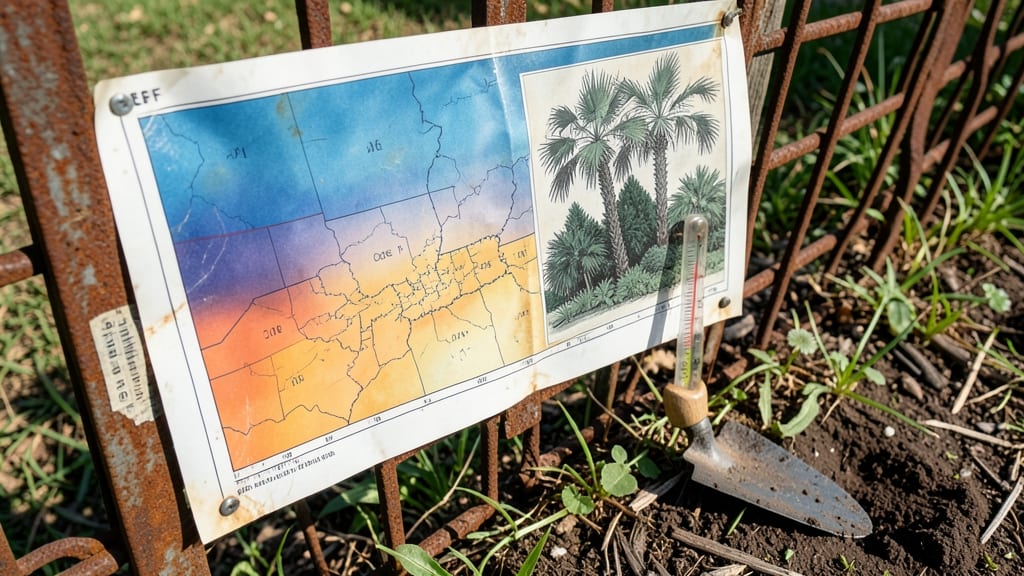
Climate zones gardening relies on USDA hardiness maps to match plants with their ideal temperature ranges, ensuring survival and thriving in zones 1 through 13. Always check your zone before planting perennials or cold-sensitive species.
Understanding your climate zone is the foundation of successful gardening. 🌱 The USDA system divides the U.S. into 13 zones based on average minimum winter temperatures, which directly impacts which plants will thrive in your yard.
For example, a Zone 3 gardener can safely grow hardy perennials like Russian sage, while a Zone 10 gardener might opt for drought-tolerant succulents like agave.
Microclimates—like sunny south-facing walls or shaded garden nooks—can also shift what you can grow, so always test your soil and observe your garden's unique conditions before committing to plants.
Why this matters most? Planting outside your zone risks stunted growth, disease, or even death during extreme weather. I’ve seen roses struggle in Zone 5 winters and citrus trees freeze in Zone 8 cold snaps—both avoidable with the right zone knowledge.
Start by finding your zone using the USDA interactive map, then cross-reference it with plant tags at nurseries for foolproof pairings.
💡 In This Article
- How USDA Hardiness Zones Determine Plant Survival
- Best Plants for Cold, Warm, and Tropical Climate Zones
How USDA hardiness zones determine plant survival
The USDA hardiness zone system is built on average annual minimum temperatures—the coldest temperatures plants can survive in a given area over a 23-year period. Each zone represents a 10°F difference, with Zone 1 enduring -60°F winters and Zone 13 staying above 60°F.
For example, a plant rated for Zone 5 can tolerate down to -20°F, while a Zone 9 plant must survive above 20°F. This system doesn’t just account for cold snaps; it factors in cumulative stress from prolonged exposure to freezing temperatures.
Here’s what’s actually happening at the cellular level: When temperatures drop below a plant’s tolerance, its cells lose water as ice forms in the extracellular spaces.
In hardy plants, specialized proteins like antifreeze proteins prevent ice crystals from damaging cell membranes. 🌡️ For instance, a Zone 3 coneflower (Echinacea) produces more of these proteins than a Zone 9 hibiscus, allowing it to survive -40°F without permanent damage.
The USDA system also considers frost-free days, which affect growth cycles—plants in Zone 10 may grow year-round, while Zone 4 plants enter dormancy for 120+ days annually.
Extreme weather events can push plants outside their typical zone limits. A sudden polar vortex> in Zone 6 (which normally hits -10°F) might drop to -25°F, killing tender perennials like lavender that are rated for Zone 5.
Conversely, a heatwave> in Zone 7 (average 0°F lows) could push temperatures to 110°F for weeks, stressing heat-sensitive plants like roses or hydrangeas.
This is why gardeners in marginal zones often use protective measures like mulch, row covers, or microclimate adjustments—like planting heat-lovers near reflective surfaces to lower soil temps.
What most people don’t realize is how microclimates can create pockets of conditions that differ from the broader zone. A south-facing wall in Zone 6 might reach Zone 8 temperatures> in summer, allowing you to grow oleander> (Zone 8-11) in containers that can be moved indoors during winter.
Similarly, a shaded garden bed in Zone 9 might stay cooler than the surrounding area, letting you cultivate fuchsias> (Zone 6-11) without winter damage. These nuances explain why some plants thrive in unexpected places!
To apply this science practically, always check a plant’s hardiness rating> (e.g., "Zone 5-9") and compare it to your zone. For perennials, aim for a 2-zone match>—planting a Zone 6 shrub in Zone 5 gives it a buffer against unexpected cold.
Annuals are more flexible since they complete their life cycle in one season, but even they benefit from zone-appropriate timing. For example, planting tomatoes> (Zone 2-12) too early in Zone 4 risks frost damage, while starting seeds indoors extends the growing season.
Pro tip: Use the USDA’s interactive zone finder> and cross-reference with your local cooperative extension service for hyper-local advice. They often adjust zone boundaries based on elevation or urban heat islands—critical data for accurate planning. 🌿