
Pests
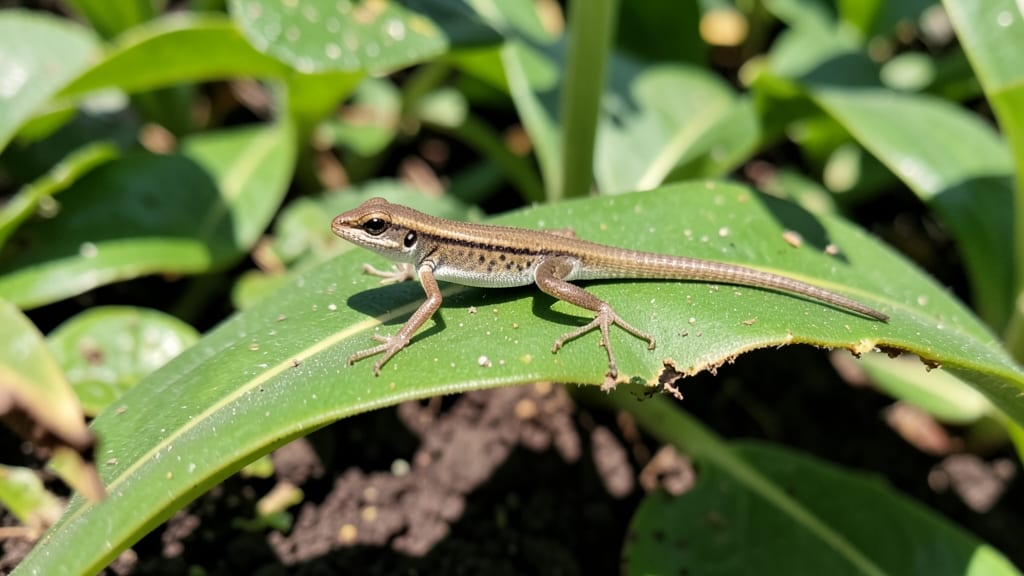
The common garden lizard is not harmful to humans or plants, as it primarily feeds on insects like aphids, spiders, and beetles, acting as a natural pest controller. Its bite is rare and harmless, though it may release a mild odor if stressed. They’re beneficial for gardens and pose no risk to crops or pets.
The common garden lizard is actually a helpful ally in your yard. 🌿 These small reptiles feast on pests like aphids, mealworms, and even slugs, effectively reducing the need for chemical pesticides.
Their presence means fewer garden-destroying insects, making them a free and eco-friendly solution for maintaining a healthy outdoor space. Plus, their shy nature means they won’t bother you unless provoked.
If you ever find one indoors or in an unwanted spot, simply relocating it outside with a cup and paper method is the most humane approach. These lizards play a vital role in balancing ecosystems, so preserving their presence benefits your garden more than removing them ever could.
💡 In This Article
- Natural Pest Control: How Garden Lizards Benefit Your Yard
- Safe Removal Methods for Garden Lizards: When and How
Natural pest control: how garden lizards benefit your yard
Here's what's actually happening in your garden when these small reptiles take up residence: common garden lizards are voracious insect hunters, consuming up to 50-100 insects per day depending on their size.
Their diet is a carefully balanced ecosystem service, with 90% of their meals consisting of garden pests like aphids, caterpillars, and beetle larvae - the very insects that would otherwise devastate your plants. 🔥 This translates to potentially 1,500-3,000 insects eliminated weekly by a single lizard in a moderate-sized garden.
The science behind their effectiveness lies in their hunting strategy. Unlike birds that primarily target flying insects or frogs that prefer slugs and snails, lizards excel at ground-level predation. Their rapid strike reflexes (0.1-0.2 seconds) allow them to catch fast-moving pests like earwigs and cutworms that other predators often miss.
Studies show lizards can reduce aphid populations by 30-50% in treated areas compared to untreated plots, making them more effective than many chemical treatments for early-stage infestations.
What most people don't realize is how lizards complement other natural pest controllers. While birds handle flying insects and frogs target slugs, lizards fill the niche of ground-dwelling pests that other predators often overlook.
Their presence actually enhances the effectiveness of your entire pest control ecosystem - a single lizard can save you $50-$100 annually in potential pesticide costs while maintaining garden biodiversity. 💫 The key factor is their year-round activity; unlike seasonal predators, lizards remain active throughout all but the coldest months.
Consider these ecological comparisons to understand their true value:
- Speed: Lizards catch 5-10 times more ground pests than frogs in the same time period
- Precision: Their diet is 95% pests vs. birds that may eat 30% beneficial insects
- Coverage: They patrol every square inch of garden soil surface
Their impact extends beyond just pest reduction. Lizards help control disease vectors by consuming mosquitoes and ticks, and their presence indicates a healthy soil ecosystem with proper moisture levels and organic matter.
Unlike chemical pesticides that create dead zones in your garden, lizards maintain a dynamic equilibrium where beneficial insects and plants can thrive alongside the pests they control. 🌱
What's particularly impressive is how lizards adapt their diet based on availability. During peak pest seasons, they'll consume up to 150% of their body weight daily in insects, while in off-seasons they'll switch to less harmful species.
This flexibility makes them more reliable than many introduced predator species that often become pests themselves when their food sources become scarce.
For gardeners concerned about chemical exposure, lizards offer a completely non-toxic alternative that works 24/7 without requiring any maintenance. Their presence means you can reduce or eliminate synthetic pesticides while still maintaining a thriving garden - a win-win for both your plants and the environment. 🌿