
Watering
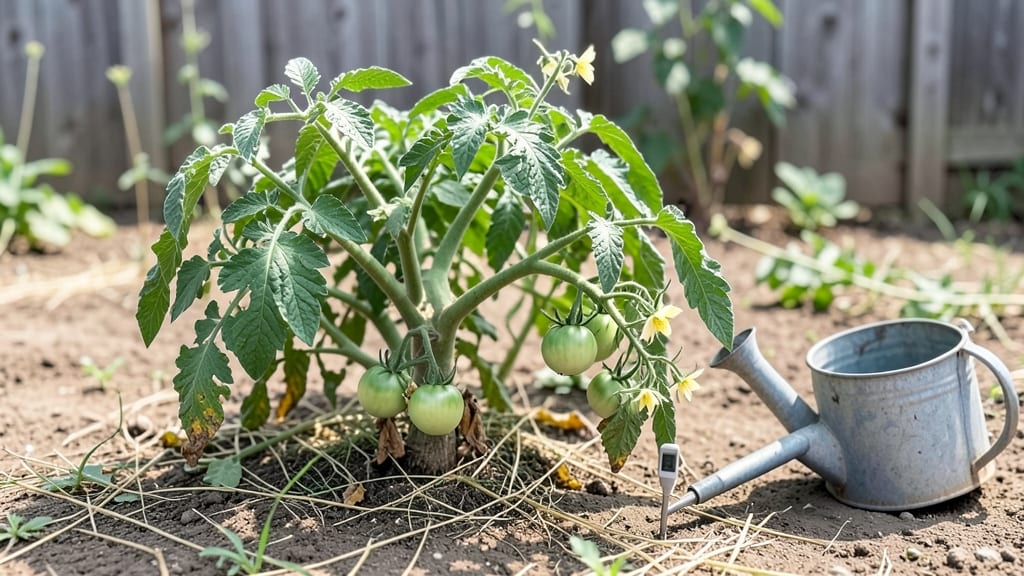
Watering your garden every day in hot weather risks overwatering and root stress, which can harm plants. Instead, water deeply 1-2 times per week, early in the morning, and check soil moisture before watering to ensure roots develop properly.
Daily watering in extreme heat can actually suffocate your plants by preventing oxygen from reaching the roots. 💧 The key is to let the top 1-2 inches of soil dry out between waterings—this encourages roots to grow deeper in search of moisture, making them stronger and more resilient.
I’ve seen firsthand how plants like tomatoes and peppers thrive with this approach, while delicate flowers may need slightly more frequent but shallower hydration.
Morning watering is your best bet because it reduces evaporation and gives foliage time to dry before evening, preventing fungal diseases like powdery mildew.
For container plants, check soil moisture daily since they dry out faster, but even then, a thorough soaking every other day often works better than light daily sprinkles.
💡 In This Article
- How Often Should You Water Plants in Extreme Heat?
- Best Watering Practices for Hot Weather Gardens
How often should you water plants in extreme heat?
When temperatures climb above 85°F, plants experience rapid transpiration—up to 20% more water loss through leaves than in cooler weather. Daily watering creates a false sense of security because it keeps the soil surface wet while preventing roots from seeking deeper moisture.
The science shows that shallow watering encourages roots to stay near the surface, making them vulnerable to heat stress and drought cycles. This is why professional gardeners emphasize deep watering—it forces roots to grow downward where temperatures are cooler and moisture is more stable.
Here's what happens when you water daily: The top 1-2 inches of soil stays saturated, blocking oxygen from reaching roots—a condition called anaerobic stress. Without oxygen, roots suffocate and can't absorb nutrients efficiently, leading to stunted growth.
You'll notice this in plants that develop yellowing leaves (chlorosis) or a foul smell from the soil. Conversely, underwatered plants show crispy leaf edges and soil that pulls away from container sides.
The balance lies in letting the top 1-2 inches dry out between waterings, which triggers roots to grow deeper in search of moisture.
Plant species react differently to heat stress. For example, tomatoes and peppers can handle deeper, less frequent watering because their root systems are robust, while delicate herbs like basil may need every 2-3 days in extreme heat.
The key is observing your plants: If leaves are wilting by midday but spring back when watered, they're thirsty. If they stay limp for hours, it's often a sign of root stress from overwatering.
A simple soil test with your finger—pushing it 1-2 inches deep—can tell you if it's time to water.
Mulching plays a crucial role in heat regulation. A 2-3 inch layer of organic mulch (like straw or wood chips) can reduce soil temperature by 5-10°F and retain moisture for longer periods. This mimics natural ecosystems where mulch layers protect roots from temperature extremes.
Without mulch, soil can heat up to 120°F in direct sunlight, effectively cooking roots. Even container plants benefit from mulch—just ensure it doesn't sit directly on the soil surface to prevent rot.
Another critical factor is water quality. Hard water with high mineral content can leave salt deposits in the soil, further stressing roots. If you notice white crusts on the soil surface, flush the area with 1-2 inches of extra water to leach out excess salts.
Rainwater or filtered water is ideal for sensitive plants like orchids or succulents, which are particularly vulnerable to mineral buildup. The goal is to provide hydration that mimics natural rainfall—slow, deep, and infrequent.
What most gardeners overlook is the role of humidity. In dry climates, evaporation rates can exceed 0.25 inches per day, meaning your watering efforts may vanish into the air.
Early morning watering (between 6-9 AM) minimizes evaporation and gives plants a full day to absorb moisture before the heat peaks. Evening watering, while common, can lead to fungal issues because damp foliage sits overnight. The result? Healthier plants with stronger root systems that can withstand heat waves.