
Companion Plants
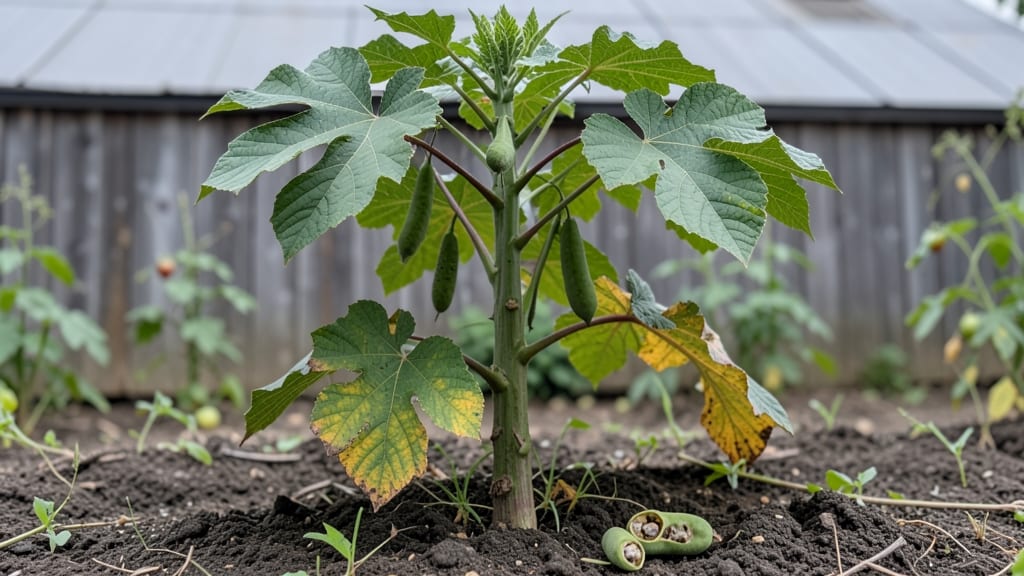
Some of the most beautiful plants in your garden could be silently deadly—foxglove, oleander, and castor bean pack striking blooms but hidden dangers. I’ve seen firsthand how quickly a curious child or pet can come into contact with these plants, and the consequences can be severe.
The good news? You don’t have to sacrifice beauty for safety.
These plants pose real risks: ingestion can cause vomiting, heart issues, or even death, while skin contact may lead to rashes or allergic reactions. The symptoms—nausea, dizziness, or labored breathing—can hit fast, so knowing what to do in an emergency is critical.
But here’s the thing: there are stunning, non-toxic alternatives that repel pests just as effectively.
Removing these plants safely means wearing gloves, sealing them in bags, and disposing of them properly—never composting toxic foliage. I’ll show you how to spot these plants in your garden and replace them with safer, equally effective options that keep your space beautiful and secure.
We’ll cover the most common offenders, what to watch for, and how to create a pest-free garden without putting your family at risk. Let’s get started—your garden should be safe and stunning.
📚 In This Guide
- What you need
- Instructions
- Tips and common mistakes
- Wrapping up and next steps
What you need
- ● Deadly (but safe for pests!) plants: 1–3 Castor bean plants (Ricinus communis) (for deterring pests like aphids and beetles)
- ● 2–4 Foxglove (Digitalis purpurea) plants (to repel cabbage worms and slugs)
- ● 1 Datura (Datura stramonium) plant (use sparingly—highly toxic; keeps deer and rabbits away)
- ● 3–5 Lobelia (Lobelia erinus) plants (natural slug and snail repellent)
- ● 1–2 Monkshood (Aconitum napellus) plants (for root-eating pests; wear gloves when handling!)
- ● Gardening tools: 1 pair of nitrile gloves (heavy-duty, chemical-resistant) (for handling toxic plants)
- ● 1 hand trowel (5–7 inches) (for planting and soil prep)
- ● 1 pruning shears (bypass-style) (for trimming and maintenance)
- ● 1 watering can (1–2 gallons) with a rose attachment (for gentle watering)
- ● 1 pH testing kit (soil) (to ensure optimal growing conditions)
- ● Safety gear: 1 long-sleeved shirt and pants (to minimize skin exposure)
- ● 1 face mask (N95 or better) (when handling seeds or pruning toxic plants)
- ● 1 first-aid kit (include activated charcoal for accidental ingestion)
- ● Companion plants: 3–5 Marigolds (Tagetes spp.) (to enhance pest deterrence)
- ● 2 Garlic chives (Allium tuberosum) (natural fungicide and pest repellent)
- ● Markers/labels: 10–15 biodegradable plant markers (to label toxic plants clearly)
- ● Mulch: 2–3 bales of organic mulch (straw or wood chips) (to suppress weeds and retain moisture)
Instructions for establishing a natural pest-repellent garden
Transform your garden into a fortress against pests using these potent, chemical-free plants—no sprays or traps required.
Select and Position High-Impact Pest-Repellent Plants
Begin by choosing plants known for their natural pest-deterrent properties. Marigolds, with their strong scent, repel nematodes, aphids, and even rabbits. Plant them in full sun at the edges of your garden beds, where they’ll act as a first line of defense. Lavender, another powerhouse, deters mosquitoes, moths, and fleas—place it near seating areas or walkways.
For vegetable gardens, interplant garlic and chives among susceptible crops like tomatoes and peppers. Their pungent aroma confuses pests and disrupts their ability to locate prey. Basil, too, is a dynamic duo when paired with tomatoes—its citronella-like scent keeps flies and mosquitoes at bay while enhancing flavor. Space these plants 12-18 inches apart to allow airflow and prevent disease.
Integrate Barrier Plants Strategically
Create physical barriers using tall, dense plants like rosemary or wormwood. These act as windbreaks and shield delicate plants from flying insects. Plant them along fence lines or garden perimeters, ensuring they receive at least 6 hours of sunlight daily. Their strong foliage disrupts the flight paths of pests like cabbage moths and squash bugs.
For underground pests, like grubs and slugs, incorporate nasturtiums into flower beds. Their bitter leaves deter slugs, and their vibrant blooms attract predatory insects like ladybugs. Plant nasturtiums in partial shade to complement sun-loving vegetables. This layered approach ensures pests are repelled at every level—above ground, below, and in between.
Maintain Plant Health to Maximize Pest Resistance
Healthy plants are inherently more resistant to pests. Ensure your pest-repellent plants receive consistent watering, keeping soil moist but not waterlogged. Overwatering weakens roots, making plants more susceptible to infestations. Instead, water deeply once or twice weekly, depending on rainfall, and focus on the base of the plant to avoid wetting foliage—this prevents fungal diseases that attract pests.
Fertilize lightly with compost or organic matter to boost soil health without overstimulating growth. Over-fertilized plants often attract pests due to their rapid, tender new growth. Use a balanced, slow-release fertilizer in early spring and again mid-summer. Prune regularly to remove dead or diseased leaves, which can harbor pests and compromise the plant’s natural defenses.
Monitor and Adjust Plant Placements Seasonally
Pests evolve, and so should your garden’s layout. Every 4-6 weeks, inspect your plants for signs of stress or pest activity. If you notice aphids clustering on marigolds or caterpillars munching lavender, it’s time to rotate or reposition plants. For example, move basil closer to tomatoes if you observe increased fly activity, or add extra nasturtiums near slug-prone areas.
Seasonal adjustments are key. In late summer, when mosquitoes become more active, expand lavender patches near outdoor living spaces. In early spring, interplant garlic and onions among roses to deter beetles. By staying proactive, you’ll create a dynamic, ever-evolving ecosystem that keeps pests at bay naturally.
Encourage Beneficial Insects to Amplify Protection
To amplify the effects of your pest-repellent plants, create habitats for predatory insects like ladybugs, lacewings, and parasitic wasps. Plant dill, fennel, and yarrow near your garden beds—their umbrella-shaped flowers attract these natural pest controllers. These insects feed on common garden pests like aphids, mites, and caterpillars, reducing the need for manual intervention.
Leave some wildflower patches or small areas of untended soil to provide shelter for ground-dwelling predators. Avoid using pesticides, even organic ones, as they can harm these beneficial insects. Instead, rely on the synergy of your pest-repellent plants and their allies to maintain a balanced, thriving garden ecosystem.
Tips & tricks for establishing a natural pest-repellent garden
Creating a garden that naturally deters pests requires strategic planning and an understanding of how plants interact with their environment. Here are the essential insights to maximize your pest-repellent garden's effectiveness.
Plant Placement Precision: In Step 1, when positioning marigolds and lavender, consider their scent dispersion. Plant marigolds in clusters of three or more to create a stronger scent barrier—this concentrated scent confuses pests and deters them more effectively. For lavender, position it near high-traffic areas where you want to minimize mosquito activity, as its fragrance carries well in still air. The 12-18 inch spacing between plants like garlic and chives isn't just about aesthetics; it creates airflow that prevents fungal diseases while allowing the pungent aromas to permeate the garden.
Barrier Plant Strategy: When integrating barrier plants like rosemary or wormwood in Step 2, plant them in a staggered formation along property lines. This creates a more effective windbreak and visual barrier that disrupts flying insects' flight patterns. For underground pests, nasturtiums should be planted in a circular pattern around vegetable beds—their bitter leaves create a natural perimeter that slugs and grubs avoid. The partial shade requirement for nasturtiums is crucial; too much sun can make their leaves less palatable to pests, reducing their effectiveness.
Watering Wisdom: The once or twice weekly watering guideline in Step 3 deserves special attention. Water in the early morning to allow foliage to dry quickly, preventing fungal growth that attracts pests. Use a soaker hose or drip irrigation to deliver water directly to the soil base, avoiding wet leaves that create ideal conditions for aphids and mites. This targeted approach ensures your pest-repellent plants remain healthy while minimizing conditions that attract the very pests you're trying to deter.
Seasonal Adaptation: The 4-6 week monitoring schedule in Step 4 is your opportunity to create a dynamic defense system. Keep a garden journal to track pest activity patterns—this will help you anticipate seasonal shifts. For example, if you notice increased fly activity around tomatoes in late summer, you can proactively move basil closer or add more nasturtiums. This adaptive approach turns your garden into an evolving ecosystem that stays one step ahead of pests throughout the growing season.
Pro Tips for Deadly Garden Plants
- Creating a garden that naturally deters pests requires strategic planning and an understanding of how plants interact with their environment.
- Plant Placement Precision: In Step 1, when positioning marigolds and lavender, consider their scent dispersion.
- Barrier Plant Strategy: When integrating barrier plants like rosemary or wormwood in Step 2, plant them in a staggered formation along property lines.
Frequently asked questions
Which deadly garden plants are safe for pets?
Most deadly garden plants—like foxglove, oleander, or castor bean—are toxic to pets. Opt for pet-safe alternatives like marigolds (repel pests) or lavender (natural insect deterrent). Always research before planting near pets!
How long does it take for these plants to deter pests?
Timing varies! Marigolds show effects in 2–4 weeks once mature, while garlic chives work within 1–2 weeks of planting. Castor bean may take 3–6 months to establish strong pest-repelling properties. Patience pays off!
Can I use these plants indoors?
Some work indoors—like basil (mosquito repellent) or mint (pest deterrent). However, oleander or foxglove are not safe indoors due to toxicity. Use containers for herbs/spices and keep toxic plants outdoors.
What if pests still attack after planting?
Rotate plants annually (e.g., swap marigolds with nasturtiums) or add companion plants like dill for aphids. If pests persist, combine with neem oil (natural spray) or soapy water for extra defense.
Are there non-toxic alternatives to deadly plants?
Try catnip (repels fleas), chrysanthemums (natural insecticide), or bee balm (deters Japanese beetles). These are pet-safe and equally effective for organic pest control.
Wrapping up and next steps
While some garden plants may pose risks, many non-toxic alternatives offer powerful pest control—naturally! 🌿 From marigolds to basil, these companions keep bugs at bay while boosting your garden’s health. Start small, experiment, and enjoy a thriving, chemical-free space.
🌱 Your Next Step:
- Pick 1-2 plants from this list and plant them near your vulnerable crops.
- Monitor results over a few weeks—adjust as needed!
- Share your wins! Tag us or fellow gardeners with your pest-free progress.