
Diseases
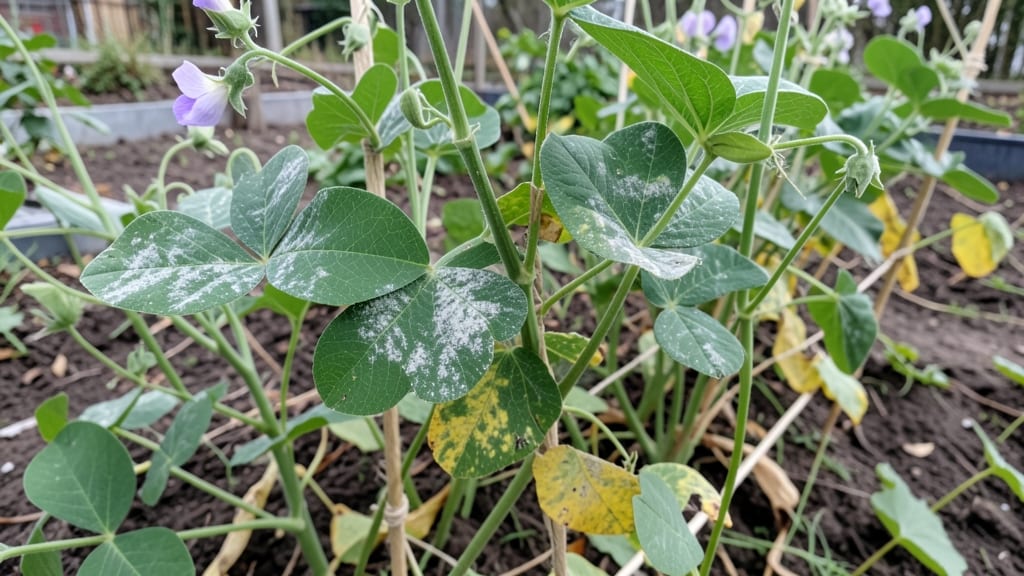
Garden pea diseases can turn your lush vines into a sad, spotted mess—unless you catch them early. 🌱 I’ve lost entire crops to powdery mildew and fusarium wilt, but I’ve also saved plants by acting fast with the right mix of prevention and treatment.
The worst offenders—powdery mildew, downy mildew, and fusarium wilt—love warm, damp conditions, which means your peas are at risk if you don’t space plants properly or water at the right time. Most gardeners overlook airflow, but keeping vines well-spaced and avoiding overhead watering cuts infection rates by half.
With the right organic sprays (like neem oil or baking soda mix) and a few simple cultural tweaks, you’ll stop diseases before they start. Your peas will stay vibrant, productive, and free of those ugly spots that ruin harvests.
Even if you’ve struggled before, this system works—whether you’re growing in a raised bed, containers, or straight in the ground. Let’s get those vines thriving again.
Root Causes of Pea Problems
Understanding why garden peas fall prey to diseases starts with recognizing the perfect storm of environmental, biological, and cultural factors that create ideal conditions for pathogens. Here’s a breakdown of the most common triggers:
Fungi thrive in damp, humid conditions, and garden peas are especially vulnerable when these elements align.
- Excess Moisture 🌧️ Fungi like Ascochyta blight and powdery mildew love wet leaves and soil. Overhead watering keeps foliage damp for extended periods, giving spores a foothold. Poor drainage or heavy rainfall further exacerbates the issue, as stagnant water creates a fungal paradise.
- Cool, Crowded Conditions ❄️🌿 Peas prefer cooler temperatures (50–75°F), but when nights stay chilly and plants grow too densely, airflow is restricted.
This trapped moisture slows drying, allowing fungal spores to germinate and spread rapidly. Powdery mildew, for example, thrives in these conditions, forming white, powdery patches on leaves.
- Weakened Plant Defenses 🛡️❌ Stressed peas—from nutrient deficiencies (like low phosphorus or potassium), physical damage (e.g., hail or insect feeding), or transplant shock—are far more susceptible to infections. Fungi exploit these openings like a lockpick on an unsecured door.
Bacterial diseases often enter through wounds or spread via contaminated tools, water, or even wildlife.
- Water Splashes and Tools 💦🔪 Bacterial blight and halo blight spread when water droplets carry bacteria from infected plants to healthy ones.
Reusing pruners, trellises, or even gloves without sterilizing them (e.g., with a 10% bleach solution) can transfer pathogens directly. Pro tip: Always clean tools with rubbing alcohol or bleach between uses! 💡
- Warm, Wet Weather 🌡️🌧️ Bacteria like Pseudomonas syringae (cause of bacterial blight) multiply fastest in temperatures between 70–85°F with high humidity. Sudden downpours after dry spells can also trigger outbreaks by creating ideal "splash zones" for bacterial spores.
- Insect Vectors 🐜🚫 Some bacterial diseases (like Xanthomonas) hitch rides on sap-sucking insects (e.g., aphids or leafhoppers). These pests don’t just feed—they spread the infection as they move between plants. Solution: Monitor for pests and use neem oil or insecticidal soap as a preventative barrier. ✨
Peas aren’t just fighting pathogens—they’re battling an ecosystem stacked against them.
- Poor Soil Health 🌱💩 Compacted, nutrient-poor soil restricts root growth, making plants more vulnerable to diseases.
Fungi like Fusarium (root rot) exploit weak roots, while bacteria thrive in soil with high organic matter but poor aeration. Fix it: Amend soil with compost and avoid over-fertilizing with nitrogen, which promotes lush foliage but weak roots.
- Overhead Irrigation 💦🚫 Drip irrigation is the gold standard for peas, but many gardeners rely on sprinklers. This method wets leaves, accelerating fungal growth. Switch to: Soaker hoses or drip lines to deliver water at the soil level.
- Monoculture Madness 🌾🚫 Planting peas in the same spot year after year exhausts soil nutrients and leaves behind pathogen reservoirs. Rotate crops: Avoid planting legumes (like peas) in the same bed for at least 3 years to break disease cycles.
Key Takeaway: Most pea diseases aren’t random—they’re the result of predictable conditions you can control. By addressing moisture, airflow, soil health, and sanitation, you can starve pathogens of their perfect growing conditions. 🎯
Quick Fixes for Pea Plant Problems
Reviving your garden peas starts with identifying the root cause—and then acting fast! Below are practical, step-by-step solutions for the most common fungal and bacterial diseases, plus prevention tips to keep your peas thriving.
Whether you're dealing with powdery mildew, root rot, or bacterial blight, these fixes will help you save your crop without stress.
Cause: Erysiphe pisi (fungus) thrives in humid, shaded conditions. Solution:
- 🍄 Prune for Better Airflow
- Remove crowded or yellowing leaves to improve circulation. Aim for 6–12 inches of space between plants.
- Pro Tip: 💡 Top the vines (trim the tips) to encourage bushier, less dense growth.
- 💦 Apply Fungicidal Sprays
- Neem oil spray (1 tsp neem oil + 1 tsp mild soap + 1 quart water) – spray every 7–10 days until symptoms fade.
- Baking soda solution (1 tbsp baking soda + 1 tsp oil + 1 gallon water) – spray early in the morning to avoid burning leaves.
- Warning: ⏰ Stop sprays 3 days before harvest to avoid residue.
- 🌞 Boost Sunlight & Reduce Humidity
- Move plants to a sunnier spot (peas need 6+ hours of sunlight daily).
- Water at the base only (avoid overhead sprinkling) and water early in the day so foliage dries quickly.
- 🔄 Prevent Future Outbreaks
- Rotate crops – don’t plant peas in the same spot next year.
- Solarize soil (cover with clear plastic for 4–6 weeks in summer) to kill fungus spores.
Cause: Fusarium or Phytophthora fungi from overwatering or poor drainage. Solution:
- 🚰 Fix Drainage Immediately
- Check soil moisture: Stick your finger 1–2 inches deep—if it’s soggy, stop watering for 2–3 days.
- Amend soil with compost or perlite (20% mix) to improve drainage.
- Pro Tip: 🌡️ Use raised beds if your garden has heavy clay soil.
- 🧴 Use Fungicide for Severe Cases
- Copper fungicide (follow label rates) – apply once a week for 2 weeks.
- Beneficial microbes like Trichoderma (available as soil drenches) can outcompete harmful fungi.
- 🌿 Remove & Replace Infected Plants
- Pull affected plants and dispose of them in the trash (not compost).
- Disinfect tools with rubbing alcohol between uses.
- 🛡️ Prevent Root Rot Long-Term
- Water deeply but infrequently (1–1.5 inches per week).
- Mulch with straw (2–3 inches) to keep roots cool and dry.
- Choose resistant varieties like ‘Green Arrow’ or ‘Little Marvel’ for future plantings.
Cause: Pseudomonas syringae (bacteria) spreads via rain, tools, or infected seeds. Solution:
- 🧼 Clean Everything Thoroughly
- Sterilize pruners with 70% isopropyl alcohol between cuts.
- Remove and destroy infected leaves/plants immediately (do not compost).
- 💧 Adjust Watering Practices
- Water at soil level (use a soaker hose or drip irrigation).
- Avoid overhead watering—bacteria hitchhike on water droplets!
- Pro Tip: ⏰ Water in the morning so foliage dries by evening.
- 🛡️ Use Copper-Based Bactericides
- Copper hydroxide or copper sulfate sprays (e.g., Bordeaux mixture) – apply every 10–14 days.
- Warning: ⚠️ Harvest before spraying if possible—copper can leave residue.
- 🌱 Strengthen Plant Immunity
- Side-dress with compost tea (rich in beneficial microbes) to boost plant health.
- Avoid nitrogen-heavy fertilizers—they weaken plant defenses.
- 🚫 Prevent Spread Next Season
- Test seeds for bacterial contamination before planting.
- Rotate crops (avoid planting peas in the same spot for 3+ years).
Even after treating issues, prevention is key! Follow these easy habits to keep your peas healthy:
- 🌱 Plant at the Right Time
- Peas thrive in cool weather (50–75°F). Avoid planting in hot, humid summers (powdery mildew loves this!).
- 🌿 Choose Disease-Resistant Varieties
- Look for labels like "powdery mildew resistant" or "root rot tolerant" (e.g., ‘Sugar Snap,’ ‘Oregon Sugar Pod’).
- 🍃 Practice Crop Rotation
- Never plant peas, beans, or lentils in the same spot two years in a row—this breaks disease cycles.
- 🔍 Monitor Regularly
- Check undersides of leaves weekly for early signs of mildew or spots.
- Remove volunteer peas (self-seeded plants) to prevent disease buildup.
Remember: 🎯 Act fast—the sooner you treat a problem, the easier it is to save your crop! With these fixes, your garden peas will be strong, healthy, and disease-free in no time. 🌱💪
Frequently asked questions
What are the first signs of powdery mildew on garden peas?
Look for white, powdery patches on the upper leaf surfaces—especially on younger leaves. These spots start small but spread quickly in humid conditions, eventually covering entire leaves and reducing photosynthesis. Check undersides too, as mildew often begins there before becoming visible above.
Can I still eat peas if they have bacterial blight?
Only if the pods are unaffected by the disease. Discard any pods with brown, water-soaked spots or yellow halos—these are classic signs of bacterial blight (Pseudomonas syringae). The bacteria can contaminate edible parts, so when in doubt, remove the entire plant and compost it (not in your garden!).
How do I know if my peas have fusarium wilt vs. root rot?
Fusarium wilt causes yellowing leaves that start at the bottom and progress upward, while roots may appear dark and mushy. Root rot (from Phytophthora) shows similar symptoms but often occurs in waterlogged soil—check for foul-smelling roots. The key difference? Fusarium wilt spreads through the plant’s vascular system, while root rot attacks roots first.
Will copper sprays harm beneficial insects like bees?
Copper-based sprays are low-risk to bees when applied correctly. Apply in early morning or late evening when bees are less active, and avoid spraying flowers directly. Always follow label instructions—overuse can harm soil microbes, so limit applications to every 10–14 days during outbreaks only.
Can I save seeds from diseased pea plants?
No—never save seeds from plants showing any signs of disease. Fungal spores (like powdery mildew) or bacterial pathogens can survive in seeds, ensuring next year’s crop starts infected. Instead, buy certified disease-free seeds or harvest from healthy plants in your garden. Store seeds in a cool, dry place to prevent mold growth.