Companion Plants
Gardening tropical plants 🌴 means unlocking a world of vibrant foliage and exotic blooms—but only if you nail the three non-negotiables: humidity, light, and soil.
Imagine your ferns wilting by midday or your orchids dropping buds before they open. That’s what happens when you skip the basics, and it’s easier to fix than you think. The right balance turns a struggling plant into a showstopper in just weeks.
Here’s the truth: tropical plants aren’t high-maintenance—they’re sensitive to the wrong conditions. Too dry? They’ll let you know with crispy edges. Too much sun? Yellow leaves scream for shade. But get these three elements right, and you’ll enjoy lush growth year-round, even if you’re not in zones 10-12.
Below, I’ll show you how to mimic a rainforest microclimate in your home or garden, from DIY humidity hacks to soil tricks that keep roots happy. No guesswork—just thriving 🌴.
How to mimic tropical humidity levels indoors and outdoors
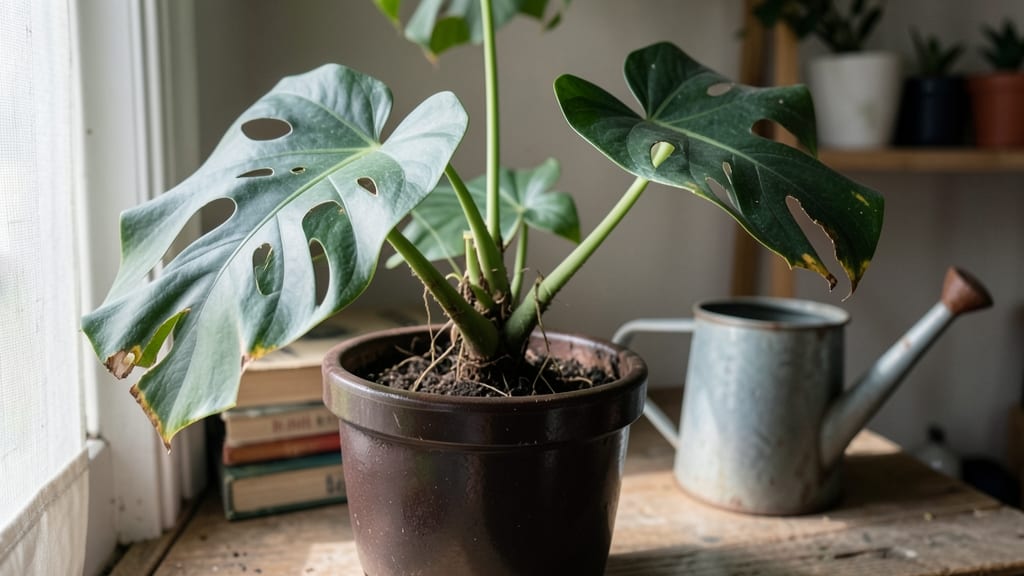
Tropical plants crave 60-80% humidity, but dry climates or indoor heating can drop levels to 20-30%. Without proper humidity, your monstera or calathea will show signs of distress—brown leaf tips, curled fronds, and stunted growth.
The key is replicating their natural environment with simple, science-backed methods that avoid root rot while keeping air moist.
Start by understanding your plants' needs. Most tropical species thrive in environments where evaporation rates match their natural habitats. For example, philodendrons and fern varieties need consistent moisture in the air, while orchids prefer slightly drier conditions but still higher humidity than desert plants.
The goal is to strike a balance—enough moisture to prevent wilting, but not so much that roots suffocate.
For indoor setups, a pebble tray is my go-to for small plants. Fill a shallow tray with smooth river rocks or gravel, add water, and place your potted plants on top. The evaporating water creates a microclimate of 40-60% humidity around the plant.
Just ensure the pot isn’t sitting directly in water—this can lead to root rot. For larger collections, a humidifier is worth the investment. Look for one with a hygrometer to monitor levels in real-time.
Outdoor tropical plants benefit from natural humidity boosters. If you live in a dry climate, create a shade cloth canopy over your garden beds. The reduced sunlight lowers evaporation rates and keeps the air around your plants moister.
Another trick? Mulch heavily with orgainc materials like wood chips or straw. This keeps soil moisture high and slowly releases moisture into the air as it decomposes.
Misting is a quick fix, but it’s not a long-term solution. If you choose this method, use distilled or rainwater to avoid mineral buildup on leaves. Mornings are the best time to mist—it gives foliage time to dry before nightfall, reducing the risk of fungal infections.
For plants like calatheas or peace lilies, which are sensitive to sudden changes, introduce humidity gradually over a few days to avoid shock.
Grouping plants together is a low-cost, high-impact strategy. When plants are clustered, they create their own microclimate with higher humidity levels. This works especially well for terrariums or jungle-style indoor gardens.
Just ensure there’s good air circulation to prevent stagnant air, which can attract pests like spider mites or thrips.
For outdoor tropical plants in containers, consider self-watering pots with built-in humidity trays. These systems maintain moisture in the soil and air, mimicking the
Best light conditions for tropical plants: sun vs. shade secrets
Tropical plants crave bright, indirect light—but too much direct sun or dim conditions can spell disaster. Unlike desert plants, most tropicals need filtered sunlight to prevent leaf scorch while avoiding the weak, leggy growth that comes from low light.
The key? Mimicking their natural understory habitats with dappled sunlight and strategic shade placement.
Not all tropical plants are created equal. Some, like monstera deliciosa or philodendron, thrive in low to medium light, while others, such as hibiscus or bird-of-paradise, demand bright, direct sunlight for hours each day.
Ignoring these needs leads to yellowing leaves, stunted growth, or even plant death. Let’s break down the light spectrum and how to tailor it to your tropical garden.
For low-light tropicals, I recommend placing them 3-5 feet away from an east-facing window—where morning sun is gentle but bright. If your space lacks natural light, LED grow lights are a game-changer.
A 12-14 hour photoperiod with a cool white or full-spectrum bulb mimics tropical sunlight and prevents etiolation (those sad, stretched stems). Pro tip: Rotate plants quarter-turn weekly to ensure even growth.
Medium-light lovers need a balance—think dappled shade under a sheer curtain or 20 feet from a south-facing window. If your home has harsh afternoon sun, use reflective surfaces (like a mirror or white wall) to bounce light gently. For high-light tropicals, provide morning sun + afternoon shade—this prevents leaf scorch while satisfying their need for intense light. In containers, move plants to shadier spots during peak sun (12 PM–4 PM).
Watch for tell-tale signs of light stress: Yellowing leaves often mean too much sun, while dark green, glossy leaves with slow growth scream low light. If your tropicals start looking leggy or pale, it’s time to adjust.
For indoor setups, I swear by smart grow lights with adjustable spectra—they let you fine-tune light for each plant’s needs without guesswork.
Outdoors? Use shade cloth (30-50% coverage) to filter harsh rays, especially in USDA Zones 10-12 where sun intensity is high. And if you’re growing tropicals in containers, ensure pots have drainage holes—root rot from overwatering in poor light is a silent killer.
With the right light, your tropical plants will reward you with vibrant foliage, lush blooms, and rapid growth—just like their jungle counterparts.