Planting
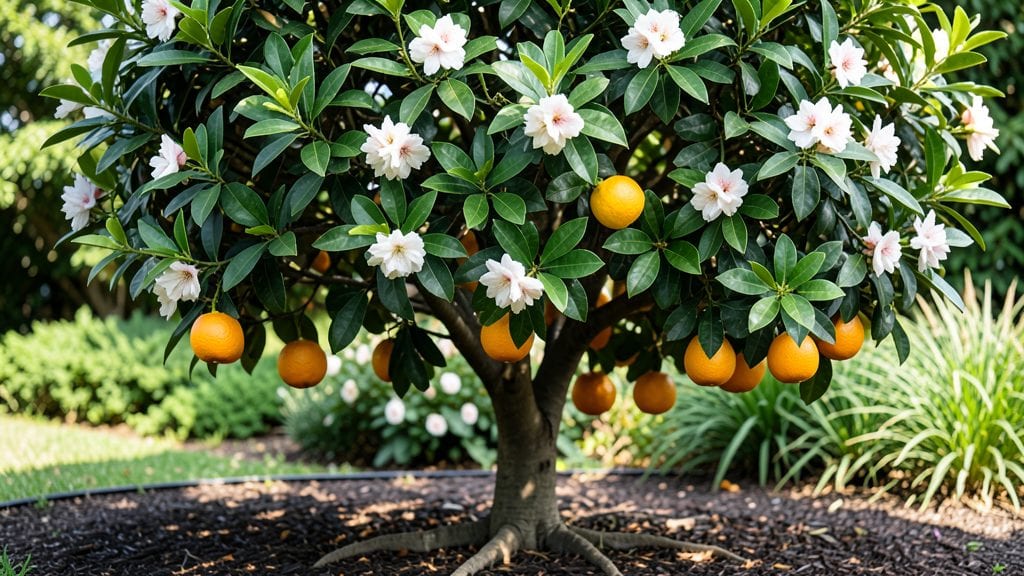
Gardening Zone 9a is a mild-winter region with average lows between 25°F and 30°F (-3.9°C to -1.1°C), perfect for growing warm-season crops year-round. This zone covers southern California, parts of Arizona, and coastal Texas, where citrus, palms, and tropical plants thrive alongside traditional vegetables.
Zone 9a's mild winters and long growing season create a unique advantage for gardeners—fewer frost risks mean you can plant warm-weather favorites like bougainvillea and rosemary without worrying about early freezes.
The USDA Plant Hardiness Map categorizes this zone based on its 10-year average minimum temperatures, which directly influences what plants will survive and flourish.
For example, while citrus trees love this climate, they still need protection during rare cold snaps below 28°F. 🌿 Understanding these nuances helps you maximize your garden's potential by choosing plants that align with your specific microclimate within the broader Zone 9a region.
What sets Zone 9a apart is its ability to support both tropical and temperate plants simultaneously. Coastal areas benefit from cooler ocean breezes, while inland regions experience hotter, drier conditions—meaning your garden's success depends on local soil types and water availability.
I've found that drought-tolerant natives, like desert marigolds or Texas sage, often outperform traditional garden plants in these conditions. The key is matching your plant choices to your specific location's temperature patterns and water access.
💡 In This Article
- Understanding Zone 9a Climate and Plant Hardiness Factors
- Top Perennial and Seasonal Plants for Zone 9a Gardens
Understanding Zone 9a climate and plant hardiness factors
Zone 9a's climate operates on a delicate balance between mild winters and intense summer heat, creating a unique growing environment. The USDA Plant Hardiness Map defines this zone by its 10-year average minimum temperatures of 25°F to 30°F (-3.9°C to -1.1°C), but what truly matters are the seasonal extremes.
Summers often exceed 100°F (38°C) in inland areas, while coastal regions stay cooler due to ocean breezes. This temperature range explains why frost-sensitive plants like citrus and avocado thrive here—most nights stay above freezing, eliminating the need for winter dormancy common in colder zones.
The frost-free period in Zone 9a typically spans 270-300 days, allowing for extended growing seasons. Coastal areas like San Diego may experience 360 frost-free days, while inland Phoenix sees around 210 days.
This variation creates microclimates where gardeners can grow tropical plants like hibiscus in sheltered coastal spots while still cultivating heat-tolerant vegetables inland.
The key factor is understanding your specific location's frost risk—even in Zone 9a, rare cold snaps can drop temperatures to 20°F (-7°C), which is lethal to many tropical species. 🌡️
Plant hardiness in this zone depends on two critical factors: temperature tolerance and water availability. Frost-sensitive species like bougainvillea and olive trees thrive because they've evolved to handle warm climates, but they struggle with prolonged dry spells.
Conversely, drought-tolerant natives such as yucca and agave dominate arid inland areas where water conservation is crucial. The USDA map helps, but local conditions often dictate success—soil type, afternoon shade, and irrigation methods all play significant roles in plant survival.
Seasonal temperature shifts create another layer of complexity. Spring and fall offer ideal growing conditions with temperatures ranging from 60°F (15°C) to 85°F (29°C), perfect for warm-season crops like tomatoes and peppers.
Summers demand careful water management to prevent root stress, while winters rarely drop below 30°F (-1°C), allowing for year-round cultivation of Mediterranean herbs. This seasonal rhythm explains why Zone 9a gardens often feature both tropical and temperate plants coexisting—each adapted to specific temperature windows within the broader climate range.
Interpreting the USDA Plant Hardiness Map for Zone 9a requires looking beyond the average minimum temperature. The map's color-coded zones help identify cold-hardy plants, but success also depends on understanding your specific microclimate.
For example, a garden in coastal Santa Barbara (Zone 9a) might support palm trees that wouldn't survive in inland Riverside due to hotter summer temperatures.
The map's companion tool, the USDA Plant Hardiness Zone Calculator, allows you to input your exact location for precise guidance—this is where the real magic happens for gardeners seeking to maximize their plant choices.
What most gardeners don't realize is how soil temperature interacts with air temperature in Zone 9a. During summer, soil can reach 120°F (49°C) in exposed areas, which stresses shallow-rooted plants. This explains why mulching becomes essential—it maintains cooler soil temperatures and retains moisture.
Meanwhile, winter soil temperatures rarely drop below 40°F (4°C), allowing for year-round planting of cool-season crops like lettuce and spinach in protected microclimates. This soil-air temperature dynamic is why Zone 9a gardens often feature both above-ground and container-grown plants—giving flexibility to adapt to temperature fluctuations.
The science behind Zone 9a's plant hardiness lies in understanding these temperature windows and their physiological effects on plants. For instance, citrus trees enter a period of slowed growth below 50°F (10°C), but they don't require dormancy like temperate trees.
This adaptation explains why they flourish in Zone 9a's mild winters. Meanwhile, drought-tolerant natives have evolved to conserve water through mechanisms like CAM photosynthesis, which allows them to thrive in the zone's often arid conditions.
By matching plants to these specific climate characteristics, gardeners can create thriving landscapes that take full advantage of Zone 9a's unique growing conditions. 🌱