
Picking
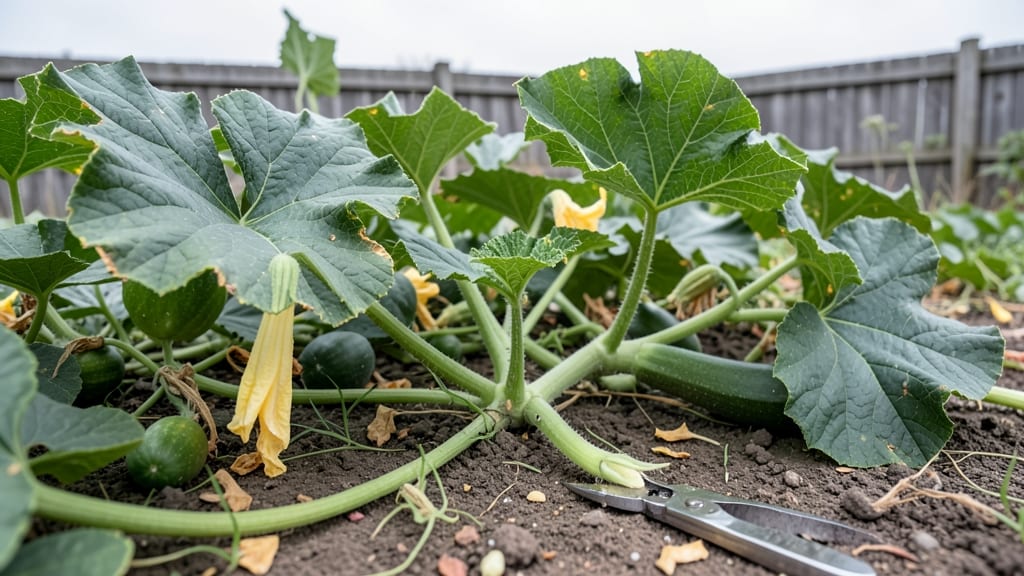
Picking squash from your garden at the right moment ensures you get the best flavor and texture 🎃—and skipping it means tough, seedy disappointment.
Ever sliced into a squash only to find it rock-hard or full of seeds? That’s what happens when you wait too long. But harvest too early, and you’ll miss out on the sweet, tender flesh that makes summer squash a garden staple.
In USDA Zone 6a, summer to early fall (July–September) is prime time for squash. But knowing exactly when to pick—whether it’s zucchini, butternut, or pumpkin—isn’t just about the calendar. It’s about the color, the stem, and even the sound.
Below, I’ll walk you through the three foolproof signs your squash is ready, plus how to handle it once it’s off the vine to keep it fresh for weeks.
3 Key visual cues to identify perfectly ripe squash
Identifying the perfect moment to harvest squash can feel tricky—one day it’s growing fast, the next it’s suddenly overripe. But with these three expert-approved visual cues, you’ll never miss the window again.
Whether you’re growing zucchini, butternut, or acorn squash, these signs guarantee peak flavor and texture. Let’s break down what to look for before you grab your pruners.
First, pay attention to the skin color—this is the most obvious clue that your squash is ready. Most varieties develop a deep, even hue when fully ripe, whether it’s the golden-yellow of a zucchini or the rich orange of a butternut.
Uneven coloring or lingering green patches? That’s a sign it needs more time. For winter squash like pumpkins, the skin should be completely hard and glossy, not dull or matte.
Next, check the stem condition. A ripe squash will have a stem that’s dry and slightly woody, almost like a cork. If you gently twist the stem near the fruit, it should snap off cleanly—this indicates the squash has fully matured.
A still-green or moist stem means it’s not ready yet. Pro tip: If the stem starts to rot or shrivel, you’ve waited too long!
Finally, size matters—especially for summer squash like zucchini. Most varieties reach their ideal harvest size between 6 to 12 inches, depending on the type. For example, zucchini should be about 6-8 inches long when harvested, while acorn squash can grow up to 10 inches in diameter.
If you let them grow larger, they’ll become seedy and fibrous, ruining the tender flesh.
🌱 When to Pick Squash: 3 Visual Checklist
- 1. Skin Color: Deep, even color with no green patches (e.g., golden-yellow for zucchini, orange for butternut).
- 2. Stem Condition: Dry, woody stem that snaps cleanly when twisted near the fruit.
- 3. Size Benchmark: 6-12 inches long (varies by variety)—harvest before seeds harden or fruit overgrows.
💡 Bonus Tip: For winter squash, wait until the skin is hard to pierce with a thumbnail.
Let’s talk about variety-specific differences because not all squash ripen the same way. Summer squash, like zucchini and yellow crookneck, should be harvested frequently—every 3-5 days—to encourage more production.
These types are best when small and tender, so don’t wait for them to reach their maximum size. On the other hand, winter squash, such as butternut or acorn, are built for storage and should be left on the vine until fully mature.
One common mistake I see is harvesting too late because the squash “looks big enough.” But size alone isn’t enough—you’ll end up with bitter, seedy fruit if you ignore the other cues.
For example, a zucchini left on the vine past 8 inches becomes tough and unappetizing. Always cross-reference color, stem, and size to avoid this pitfall.
Pro growers also watch for physical changes in the fruit. A ripe squash will feel heavy for its size, indicating it’s packed with flavor and moisture. Give it a gentle squeeze—if it feels firm but not rock-hard, it’s ready.
Overripe squash often develops soft spots or mold, so check the surface for any signs of spoilage before harvesting.
Regional factors can also play a role. In warmer climates, squash may ripen faster due to longer growing seasons, while cooler areas might need extra time.
If you’re in doubt, err on the side of harvesting early—you can always let winter squash cure indoors to improve flavor and shelf life. For zucchini, though, timing is critical: once it stops growing, it’s past its prime within days.
Remember, the goal is to balance ripeness and freshness. A perfectly ripe squash will store well for weeks, but an overripe one spoils quickly. By mastering these three visual cues, you’ll transform from a guesser to a harvesting pro—no more wasted squash or bland-tasting produce!
Grab your basket and start checking those vines.
How to test squash ripeness: the thump, tap, and peel tricks
When your squash plants are heavy with fruit, it’s tempting to grab the first one you see—but not all squash is ready for harvest. Overripe squash becomes tough, seedy, and flavorless, while underripe fruit lacks sweetness and texture.
The good news? You can test ripeness without cutting into the fruit using simple sensory tricks that work for summer squash, winter squash, and zucchini. Here’s how to avoid wasted harvests with just your hands and ears.
Start by examining the stem. A ripe squash’s stem will feel dry, papery, and slightly shriveled near the fruit. If it’s still green and pliable, the squash needs more time.
For zucchini, the stem should begin to yellow or brown—this is your cue to harvest before it turns woody. For winter varieties like butternut or acorn, the stem may detach easily when ripe, leaving a small scar behind.
⚠️
Squash continues to ripen after picking, but once it’s overripe, the seeds harden and flesh turns stringy. Never leave squash on the vine past its prime—it’ll attract pests like squash vine borers and rot faster. Check ripeness every 2–3 days during peak harvest season (July–September) to avoid spoilage.
The thump test is a foolproof way to check ripeness without damage. Hold the squash in one hand and give it a gentle thump with the other. A ripe squash will produce a deep, hollow sound, like knocking on a drum.
If it sounds dull or flat, it’s underripe. For zucchini, aim for a crisp, slightly hollow thump—too hollow means it’s past its prime. Listen closely: the pitch (high vs. low) can also indicate ripeness.
Next, test the skin’s toughness. Press your thumbnail firmly into the squash’s skin. If it doesn’t dent, the squash is ready. For summer squash, the skin should be smooth but firm—like a ripe avocado.
For winter squash, it should feel thick and almost leathery. If your thumbnail leaves a mark, wait 1–2 more days and retest. Pro tip: Avoid bruising—handle squash gently to prevent premature spoilage.
For winter squash varieties, like butternut or pumpkin, try the peel trick. Gently lift a small section of the skin with your thumbnail. If it peels back easily and the underlying flesh is orange or yellow (not green), it’s ripe.
Green underneath means it needs more time. This method works best on mature squash—don’t use it on zucchini, as their skin is too thin.
Finally, check the seed cavity if you’re unsure. For summer squash, cut a small slice (just ½ inch) near the stem. If the seeds are tiny, white, and soft, harvest immediately. If they’re large, dark, and hard, the squash is overripe.
For winter squash, the seeds should be plump but not rock-hard—they’ll soften further once cooked. Remember: Every variety ripens differently, so adjust your tests based on what you’re growing.