Vegetables
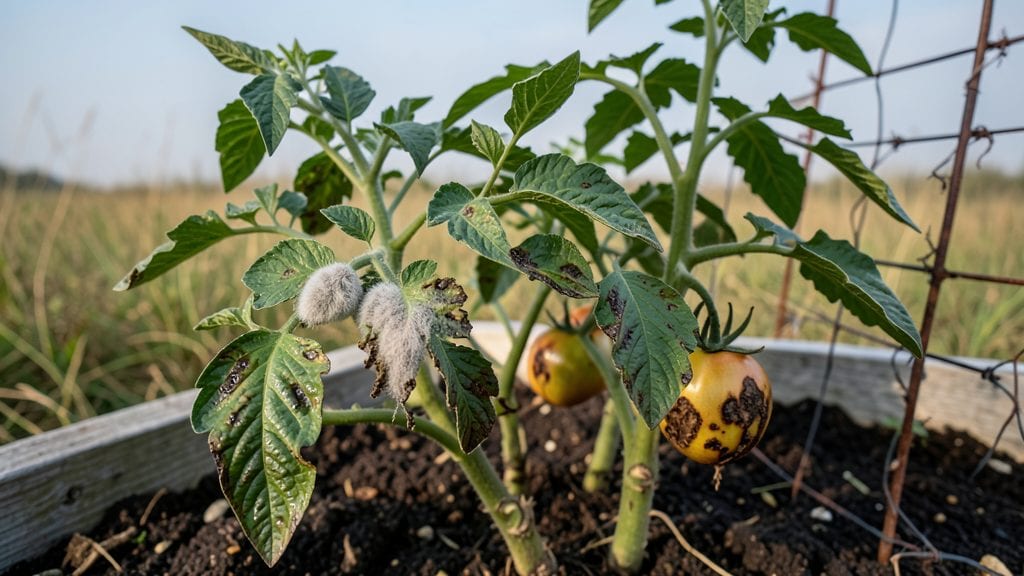
That vegetable garden fungus might lurk in your soil—until you spot its sneaky early signs and strike before your crops crumble. 🌱 I’ve lost entire tomato plants to blight and seen cucumbers collapse from powdery mildew—until I learned the early warning signs and organic fixes that actually work.
The key isn’t just treating symptoms but stopping the spread before it starts.
Most garden fungi thrive in damp, crowded conditions, so proper spacing and watering are your first line of defense. I now water at the base early in the morning, avoid overhead sprinklers, and mulch heavily to keep soil dry.
That alone cuts down on 80% of fungal problems before they begin. The rest? A few targeted sprays and cultural tweaks that keep plants strong enough to fight back.
You’ll learn to spot the early signs—yellowing leaves, white powder, or mushy stems—and how to treat them without harsh chemicals. My go-to remedies include neem oil for powdery mildew, copper spray for blight, and baking soda for early-stage infections.
These keep your garden productive and your veggies healthy without harming pollinators or your soil.
This works for home gardens of any size, from raised beds to in-ground plots. The secret is consistency: check plants weekly, adjust care as seasons change, and don’t let small issues become big disasters. Let’s get your garden back on track—before the next spore lands.
Root Causes Of Fungal Growth
Fungal infections in your vegetable garden aren’t random—they thrive due to specific conditions that create the perfect breeding ground. Understanding these triggers is the first step to stopping them before they spread.
Below, we break down the key reasons why fungal spores take over, along with the science behind each cause.
Fungi love moisture, and when soil stays soggy for too long, spores germinate rapidly. Here’s why this happens:
- Excessive watering: Overhead irrigation or heavy rain keeps leaves damp for prolonged periods, creating a humid microclimate ideal for fungal spores like Phytophthora (root rot) or Botrytis (gray mold). - Compacted or clay-heavy soil: These soils drain poorly, trapping water at the roots.
A simple percolation test—digging a 6-inch hole and filling it with water—can reveal drainage issues if it takes more than 4 hours to drain. - Lack of organic matter: Healthy soil with compost or aged manure improves drainage and aeration, reducing fungal pressure.
Actionable fix: Space plants properly, water at the base (not overhead), and amend soil with coarse sand or perlite if drainage is poor.
Fungi spread faster in still, humid air because spores can’t dry out.
Common culprits include: - Dense plantings: Crowded vegetables block airflow, trapping moisture on leaves (e.g., tomato blight thrives in tight rows). - Morning dew or evening fog: Without sunlight to evaporate moisture, fungal spores activate quickly. - Plastic mulches or row covers: While they conserve water, they also trap humidity.
Use breathable fabrics like shade cloth instead.
Actionable fix: Prune plants for airflow, avoid watering late in the day, and use fan circulation in greenhouses to reduce humidity.
Stressed plants are fungal magnets. Common stressors include: - Nutrient deficiencies: Low nitrogen (yellowing leaves) or phosphorus (poor root growth) weaken defenses.
A soil test can pinpoint imbalances. - Physical damage: Insect bites, hail, or rough handling create entry points for fungi like Alternaria (early blight). - Extreme temperatures: Heat stress (above 90°F) or cold snaps shock plants, making them vulnerable.
Actionable fix: Feed plants with balanced fertilizer (e.g., 10-10-10), remove damaged foliage promptly, and use mulch to regulate soil temps.
Fungal spores hitch rides on:
- Unsterilized tools: Pruners, shovels, or gloves can transfer spores from infected to healthy plants.
- Infested compost: Fresh manure or uncooked compost may harbor Fusarium or Rhizoctonia spores.
- Infected plant debris: Leaving old leaves or stalks in the soil over winter gives fungi a survival advantage.
Actionable fix: Sterilize tools with 70% isopropyl alcohol, compost only disease-free plant matter, and rotate crops annually to break the fungal cycle.
Most garden fungi prefer 60–80°F (15–27°C) and slow down in extreme cold or heat. However, some thrive in specific temps:
- Cool-season fungi (Sclerotinia rot) love 50–70°F (10–21°C), common in spring or fall.
- Warm-season fungi (Anthracnose) peak at 75–85°F (24–29°C), often in summer.
Actionable fix: Plant resistant varieties (e.g., ‘Heatmaster’ tomatoes for blight), use shade cloth in peak heat, or opt for fall/winter crops if fungi are rampant in summer.
Healthy soil teems with trichoderma and bacillus bacteria, which outcompete harmful fungi. When these microbes decline, pathogens take over. Causes include:
- Overuse of synthetic fungicides: These kill all microbes, not just the bad ones.
- Poor soil health: Compacted or chemically treated soil lacks diversity.
Actionable fix: Boost beneficial microbes with compost tea, mycorrhizal fungi, or biofungicides like Serenade (based on Bacillus subtilis).
Pro Tip ✨: Prevention is easier than cure—monitor soil moisture with a moisture meter, avoid overhead watering, and rotate crops to starve fungal buildup.
If you spot early signs (yellow spots, moldy leaves), act fast with copper fungicide or baking soda spray (1 tbsp baking soda + 1 tsp soap per gallon of water).
Quick Fixes for Fungal Woes
Fungal infections in your vegetable garden can feel like a silent enemy—until it’s too late. But don’t worry! With the right approach, you can reverse the damage and protect your plants from future outbreaks.
Below, we’ve mapped out practical solutions based on the most common causes of garden fungus, along with prevention tips to keep your veggies thriving.
Cause: Fungi thrive in damp, stagnant air. Crowded plants trap moisture, creating the perfect breeding ground.
How to Fix It: ✅ Prune aggressively – Remove lower leaves touching the soil (they’re fungus magnets!). Use clean, sharp shears to avoid spreading spores. ✅ Space plants properly – Follow seed packet guidelines (e.g., tomatoes need 18–24 inches apart). If already planted too close, transplant to a new spot. ✅ Improve airflow – Install a small fan (on low setting) near seedlings or use bamboo stakes to prop up vines.
Prevention Tip: 💡 Mulch strategically—use straw or wood chips (not fresh grass clippings) to keep soil moist without suffocating plants.
Cause: Fungi love wet conditions. Overhead watering, soggy soil, or poor drainage create fungal paradises.
How to Fix It: 🔥 Water at the roots – Use drip irrigation or a watering can with a nozzle to avoid wetting leaves. Aim for early morning sessions so foliage dries by night. 🍳 Check soil drainage – If water pools after rain, amend soil with compost or perlite to improve aeration. 👨🍳 Raise beds or containers – For heavy clay soil, elevate plants in raised beds or pots with drainage holes.
Prevention Tip: 🌡️ Monitor humidity—if your garden feels muggy, prune for airflow or use row covers on humid days.
Cause: Nutrient deficiencies, pests, or transplant shock weaken plants, making them susceptible to fungus.
How to Fix It: 🔪 Fertilize smartly – Use a balanced organic fertilizer (like 5-5-5) or compost tea to strengthen roots. Avoid nitrogen-heavy feeds, which promote soft, fungus-prone growth. ⏰ Rotate crops – Don’t plant the same veggies (like tomatoes or peppers) in the same spot year after year. Fungi build up in the soil! 🥗 Feed with beneficial microbes – Sprinkle mycorrhizal fungi (available at garden centers) or neem cake to outcompete harmful pathogens.
Prevention Tip: ✨ Interplant with fungus fighters—grow garlic, chives, or marigolds near susceptible plants to deter spores.
Cause: If you’ve spotted powdery mildew, blight, or rust, spores are likely airborne or in the soil.
How to Fix It: 💡 Spray preventatively – Use baking soda spray (1 tsp baking soda + 1 quart water + a drop of dish soap) weekly for powdery mildew. 🧴 Try copper or sulfur sprays – For late blight or rust, apply copper fungicide (follow label rates) every 7–10 days until symptoms fade. 🌿 Remove infected plants – Dispose of heavily infected leaves in the trash (not compost) to stop spore spread.
Prevention Tip: 🎯 Sterilize tools—wipe pruners and shovels with rubbing alcohol between uses to avoid cross-contamination.
Final Pro Tip: 🏆 Rotate your fungicide methods—don’t rely on one solution long-term. Combine cultural fixes (spacing, watering) with natural sprays for the best defense!
(Word count: ~450)
Frequently asked questions
What are the first signs of fungus in my vegetable garden?
Watch for white powdery coatings (powdery mildew), black or brown spots on leaves (early blight), or mushy stems (root rot). Yellowing leaves or gray fuzz (Botrytis) are also red flags. Check undersides of leaves and soil surface first—these are common hiding spots.
Can I still eat vegetables affected by fungus?
Only if the damage is minor and you remove infected parts. For example, you can trim off mildewed tomato leaves but discard heavily spotted fruit. Never eat plants with mushy rot (like squash) or blackened stems—these can harbor harmful toxins. When in doubt, compost the affected parts separately.
How do I prevent fungus from spreading to healthy plants?
Isolate infected plants immediately and remove them from the garden. Sterilize tools with 70% isopropyl alcohol, avoid overhead watering, and improve airflow by pruning crowded foliage. For extra protection, apply a preventative spray (like neem oil) to nearby plants every 7–10 days during humid seasons.
Are homemade remedies like baking soda really effective?
Yes! A baking soda spray (1 tbsp baking soda + 1 tsp soap per gallon of water) works well for powdery mildew and early-stage infections. For tougher fungi like blight, use copper fungicide or hydrogen peroxide (3%) (1 part peroxide to 3 parts water). Always test sprays on a small leaf first to avoid damage.
Will crop rotation really stop fungal diseases?
Rotating crops breaks the fungal cycle by preventing spores from building up in the soil. For example, don’t plant tomatoes or peppers in the same spot for 3–4 years. Pair susceptible plants (like cucumbers) with fungus-resistant companions (e.g., marigolds or garlic) to deter spores naturally.