Pests
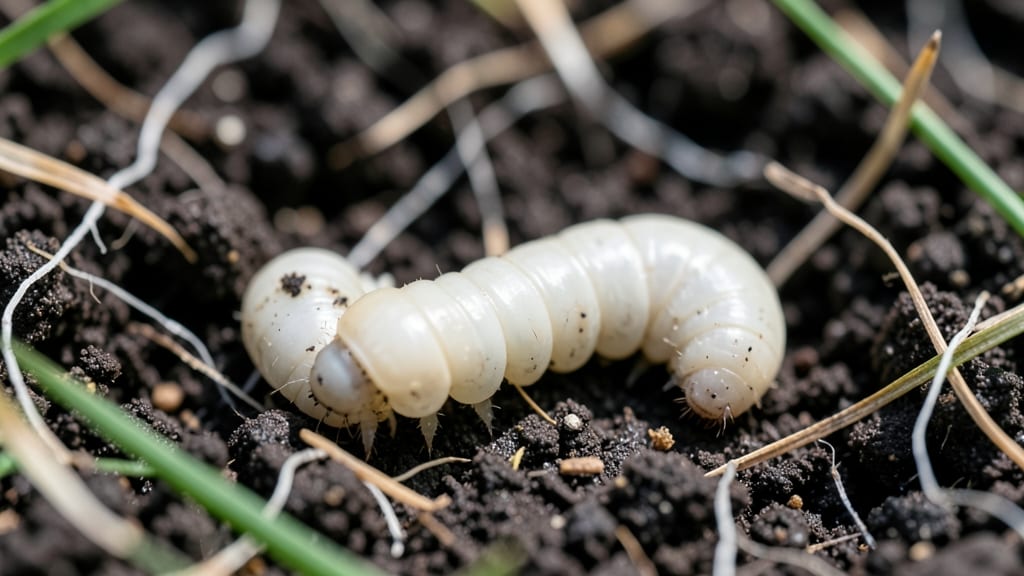
White garden grubs are the sneaky root-munchers turning your lush lawn into a chewed-up mess. 🌱 I spent three summers watching my roses collapse overnight—until I finally identified the plump, C-shaped larvae tunneling through the soil. These grubs aren’t just a nuisance; they’re a full-blown garden crisis when left unchecked.
The damage starts subtly—yellowing grass, wilting perennials, or plants that pull up easily like they’re toothpicks. By the time you see the telltale holes in roots, the grubs have already feasted for months.
The good news? You don’t need harsh chemicals to stop them. A three-stage approach—soil testing, natural predators, and targeted treatments—can eliminate them without harming your garden’s ecosystem.
Within weeks, you’ll see healthier roots, stronger plants, and fewer surprises when you dig. The key is acting fast: grubs peak in late summer, so timing your interventions matters. By the next growing season, your soil will be thriving again—no more mysterious plant deaths or half-eaten roots.
Works for lawns, vegetable patches, and flower beds alike. Here’s how to break the grub cycle for good—without resorting to toxic sprays.
The Hidden Triggers Behind Grubs
White garden grubs—those squirming, C-shaped larvae—don’t just appear out of nowhere. Their presence is the result of a perfect storm of environmental conditions, plant choices, and even human habits.
Understanding why they thrive in your lawn or garden is the first step to stopping them before they turn your green space into a buffet. Let’s dig into the science behind these sneaky pests.
Grubs love moist, nutrient-rich soil—almost like a five-star resort. When lawns are overwatered, especially in warm, humid climates, the soil stays damp for days, creating an ideal breeding ground. Why? Excess water prevents soil from drying out, which is a natural deterrent for grub eggs and larvae.
Additionally, over-fertilizing—especially with high-nitrogen lawn foods—accelerates grass growth, which grubs adore. Fast-growing grass provides a smorgasbord of roots for hungry larvae. Actionable fix: Water deeply but infrequently (1–1.5 inches per week) and use slow-release, balanced fertilizers to avoid feeding the problem.
The real culprits? Adult beetles—often June bugs, Japanese beetles, or European chafer beetles—that flutter into your yard and lay eggs in the soil. These beetles are attracted to stressed, thin, or newly seeded lawns because they’re easier to penetrate. Why does this happen?
- Lack of predators: Birds, toads, and beneficial nematodes keep beetle populations in check. If these natural controls are missing, beetles multiply unchecked.
- Nighttime activity: Beetles are most active at dusk and dawn, making them hard to spot before they’ve already laid eggs.
- Urban sprawl: As natural habitats shrink, beetles invade lawns, parks, and gardens in search of food and breeding sites.
Actionable fix: Install blacklight traps or pheromone traps in late spring/early summer to catch adult beetles before they lay eggs. Also, encourage predators by planting native flowers and shrubs.
Grubs thrive in warm soil temperatures (70–90°F), which is why they’re most active in late summer and early fall. But there’s another factor: soil compaction. Heavy foot traffic, machinery, or clay-heavy soil creates dense layers that:
- ✔️ Traps moisture near the surface, keeping grubs hydrated.
- ✔️ Reduces oxygen, stressing grass roots and making them easier targets for larvae.
- ✔️ Prevents beneficial microbes from breaking down organic matter, leaving more food for grubs.
Actionable fix: Aerate compacted soil in early fall (before grubs peak) to improve drainage and root health. Top-dress with compost to loosen the soil naturally.
Healthy grass isn’t just resistant—it’s unappetizing to grubs. When grass is weak, thin, or recovering from drought, disease, or poor maintenance, it becomes an easy meal. Why?
- Less root mass: Grubs prefer tender, new roots over tough, established ones.
- Stress signals: Damaged grass releases chemical cues that attract egg-laying beetles.
- Slow recovery: Over-seeding or repairing bare patches without proper care invites grubs to move in.
Actionable fix: Strengthen your lawn with core aeration, proper mowing (never remove more than ⅓ of the blade), and disease-resistant grass varieties. Avoid overseeding in late summer when grubs are most active.
💡 Pro Tip: If you’ve had grub problems before, treat high-risk areas in early spring (before beetles emerge) with beneficial nematodes or milky spore bacteria to disrupt their life cycle before it starts.
Natural Ways to Eliminate Garden Invaders
Discovering white, worm-like pests tunneling through your garden’s roots can feel like a nightmare—but the good news is, you can tackle them effectively without harsh chemicals. Below, we’ve mapped out practical, nature-friendly solutions tailored to the root causes of your infestation.
Whether your lawn is patchy, plants are wilting, or you’ve spotted grubs chewing through roots, these steps will help you reclaim your garden in no time.
Before jumping into treatments, confirm you’re dealing with white grubs (likely Japanese beetle larvae or similar pests). Look for: - Mushroom-shaped frass (poop) near roots - Soggy, spongy lawn patches that pull up easily - Adult beetles (metallic green/gold) feeding on foliage by day Pro tip: 💡 Dig up a small section of turf—if you see 5+ grubs per square foot, it’s time to act! If your garden is already under siege, these methods will starve out or trap the grubs: #### 👨🍳 Beneficial Nematodes: The Silent KillerMicroscopic worms called beneficial nematodes (like Heterorhabditis bacteriophora) infect and kill grubs naturally.
- How to apply: Water your lawn thoroughly, then apply nematodes with a sprayer or hose-end applicator in the evening (they hate sunlight). Reapply every 4–6 weeks.
- Best for: Lawns, vegetable gardens, and flower beds.
- Cost: ~$20–$50 per 1 million nematodes (covers ~2,500 sq ft).
A natural bacterium (Bacillus popilliae) that builds up in soil over time, targeting grubs for years.
- How to apply: Mix powder with water and spray onto lawn in early summer. Reapply annually for 2–3 years to establish colonies.
- Best for: Large lawns (works best in warm climates).
- Cost: ~$30–$60 per pound (covers ~5,000 sq ft).
Food-grade diatomaceous earth (DE) dehydrates grubs by damaging their exoskeletons.
- How to apply: Lightly dust the soil surface around plants or sprinkle over lawn in dry conditions. Reapply after rain.
- Best for: Small gardens, potted plants, and vegetable beds.
- Cost: ~$10–$20 per pound.
Birds, toads, and predatory beetles love grubs. Boost their presence with:
- Bird-friendly habitats: Install a birdbath or nest boxes.
- Toad houses: Place small, damp shelters in shady garden spots.
- Avoid pesticides: Chemical sprays kill both pests and their predators.
Grubs thrive in moist, thick turf. Break their cycle with:
- Deep but infrequent watering: Encourages deep roots, making lawns less appealing to grubs.
- Raise mower height: Taller grass shades soil, drying it out slightly.
- Avoid over-fertilizing: Excess nitrogen makes lawns lush—grub buffets!
Check for grubs twice a year (spring and fall) by:
- Digging up small turf sections with a spade.
- Inspecting roots for white, C-shaped larvae.
- Treating before adult beetles lay eggs (usually June–July).
Remember: Consistency is key! Grubs can take 1–2 seasons to fully eradicate, but with these methods, your garden will bounce back healthier than ever. 🌿
Frequently asked questions
What do white garden grubs look like up close?
White grubs are plump, C-shaped larvae about ½ to 1 inch long with smooth, legless bodies. Their heads are brown and slightly curved downward. Look for them tunneling through soil or clustered near plant roots—often surrounded by mushroom-shaped frass (their poop).
Are white grubs harmful to vegetables or just lawns?
They attack both! While lawns are their favorite, grubs chew roots of tomatoes, carrots, beans, and other veggies, causing wilting or stunted growth. The key difference? Lawn damage appears as spongy patches, while garden plants show sudden collapse or holes in roots when pulled.
How long does it take for natural treatments to work?
Most organic methods take 4–8 weeks to show results. Beneficial nematodes act within 24–48 hours of application but need warm soil (55–85°F) to be effective. Milky spore builds up over 2–3 years, while diatomaceous earth works faster but requires reapplication after rain. Patience pays off—consistent treatment is key!
Can I use coffee grounds to repel white grubs?
Coffee grounds won’t kill grubs but may deter some adult beetles due to their strong smell. For actual grub control, focus on nematodes or milky spore. That said, mixing grounds into compost can improve soil health, indirectly making your garden less inviting to pests by boosting microbial activity.
What’s the best time of year to treat for grubs?
Target treatments in early spring (March–April) or late summer (August–September)—just before adult beetles lay eggs. Avoid treating in extreme heat or cold. For milky spore, apply in June–July when grubs are most active. Pro tip: Test soil moisture first—grubs need damp conditions to thrive.